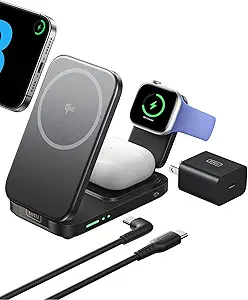
What to Know Before Buying a 10-Port 100W USB Charging Station
A 10-port charging station like this 100W model can replace a tangle of wall warts and power strips, but only if its power distribution matches your devices. With 10 ports sharing a 100W budget, understanding how the wattage is allocated is the single most important factor in your decision.
Key Considerations Before Buying
- Total wattage vs. per-port output: 100W across 10 ports averages 10W per device if all are in use, so check whether high-draw devices like laptops or tablets get enough power when the station is fully loaded.
- Port types and fast-charging standards: USB-A ports typically cap at 12W-18W, while USB-C Power Delivery ports can deliver much more; confirm which fast-charging protocols (PD, QC) the station supports for your specific phone or tablet.
- Physical footprint and cable management: A 10-port station with 10 cables demands significant desk or nightstand space, so consider whether the layout, port spacing, and any included cable organizers fit your setup.
What Our Analysts Recommend
Look for clearly labeled per-port wattage rather than just a total figure, as this reveals real-world performance. Quality indicators include overcurrent and overheat protection, a UL or ETL safety listing, and a power supply that doesn't run hot under full load. Build quality matters too: reinforced port housings resist the wear of daily plugging and unplugging.
Charging Stations Market Context
Market Overview
Multi-device charging stations have shifted from simple USB-A hubs to mixed USB-A/USB-C units as phones, tablets, and laptops converge on USB-C Power Delivery. The 100W class sits in the middle of the market, above basic 40W-60W stations but below 200W+ desktop chargers that can power laptops at full speed.
Common Issues
The most frequent complaint in this category is overstated wattage: buyers expect each port to deliver full power and discover that total output is shared and drops as more devices are connected. Other recurring issues include stations that run warm, ports that loosen over time, and included cables that don't support fast charging.
Quality Indicators
Reputable brands publish a per-port power table and list supported fast-charging protocols rather than vague 'fast charge' claims. Safety certifications (UL, ETL, FCC) and visible thermal protection features separate durable units from budget models. Review patterns showing long-term reliability, not just unboxing impressions, are a strong signal of quality.
Review Authenticity Insights
Grade B Interpretation
A Grade B with an estimated 15% fake review rate means most reviews here are genuine, but roughly one in seven may be incentivized or manipulated. The adjusted rating of 4.10 versus the displayed 4.44 suggests the honest consensus is still positive, just less glowing than the headline number implies.
Trust Recommendation
Trust the product, but calibrate your expectations to the adjusted 4.10 rating rather than the 4.44 display. Focus on reviews that describe specific usage scenarios, such as charging a family's phones overnight or organizing a desk, since these are harder to fake and more informative.
Tips for Reading Reviews
Prioritize reviews that mention how many devices were charged simultaneously and whether speeds held up, as these reveal real power-sharing behavior. Be skeptical of short, generic praise, and look for critical reviews that describe a specific failure or limitation, as they often contain the most useful detail.
Expert Perspective
This 10-port 100W station is a reasonable choice for households or desks with many low-to-moderate power devices, such as phones, earbuds, and tablets. The 4.44 rating with a 4.10 adjusted score indicates solid but not exceptional satisfaction, and the B authenticity grade means the review base is usable with some caution. Buyers should treat the 100W figure as a shared budget, not a per-port guarantee, and verify the port mix matches their devices.
Purchase Considerations
Weigh your actual device mix: if you need to fast-charge a laptop, a single high-wattage USB-C port matters more than total port count. Consider whether you need 10 ports at once or would be better served by a 6-port station with higher per-port output. Also factor in the cost of quality cables, since included cables may not support the fastest charging your devices can handle.
Comparing Alternatives
Compare this station with similar 100W multi-port chargers from brands that publish detailed per-port specifications and carry major safety certifications, as those details often predict real-world performance.