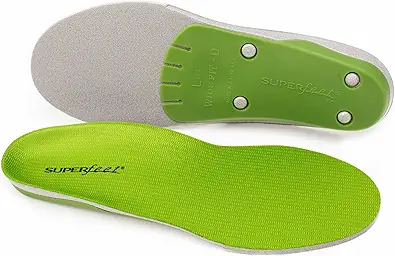
Carbon fiber insoles for injury recovery require specific rigidity and fit considerations
These titanium-enhanced carbon fiber insoles are designed specifically for managing turf toe, hallux rigidus, and foot fractures during recovery. Unlike cushioned orthotics, they provide rigid support to limit toe joint movement, which is critical for the conditions mentioned in the product title. The 255mm length indicates they're sized for specific foot measurements rather than universal fit.
Key Considerations Before Buying
- The rigid carbon fiber construction is therapeutic for limiting hallux (big toe) motion but may feel uncomfortably stiff if you don't have the specific conditions mentioned.
- These are medical recovery devices, not performance enhancers—the 'running faster' claim relates to returning to activity post-injury, not improving healthy athletic performance.
- The titanium enhancement likely refers to coating or reinforcement at stress points rather than structural titanium, affecting durability in high-impact sports.
What Our Analysts Recommend
For injury recovery insoles, seek specific mentions of how the rigidity affected the injured area—genuine reviews will detail recovery progress, not just comfort. Check that reviewers mention actual medical conditions like hallux rigidus rather than generic 'foot pain.' Proper sizing (255mm equals approximately US men's 8.5-9) is crucial since carbon fiber cannot be trimmed like foam insoles.
Insoles Market Context
Market Overview
The rigid carbon fiber insole market has expanded from pure medical devices to sports applications, creating confusion about their primary purpose. Products like these occupy a niche between orthopedic prescriptions and over-the-counter supports, with significant price and quality variation. The 'titanium-enhanced' claim has become a marketing differentiator in this segment, though actual titanium content varies widely.
Common Issues
Users often mistake rigid carbon fiber insoles for cushioned arch supports, leading to discomfort complaints. Sizing problems are frequent since carbon fiber cannot be heat-molded or trimmed at home. Another issue is unrealistic expectations about immediate pain relief—these devices work by restricting movement during healing, which can initially feel restrictive.
Quality Indicators
Quality rigid insoles maintain consistent thickness throughout (typically 1.5-2mm carbon fiber), have smooth, finished edges to prevent sock wear, and feature strategic flex points despite overall rigidity. The titanium coating should show even application without flaking at stress areas. Better products include sizing guides accounting for shoe volume, not just foot length.
Review Authenticity Insights
Grade B Interpretation
A Grade B with 11% estimated fake reviews suggests mostly authentic feedback but with some potentially incentivized reviews. The drop from 4.88 to 4.60 adjusted rating indicates those questionable reviews were disproportionately positive. For medical-adjacent products like these, even 11% artificial positivity could mask important limitations.
Trust Recommendation
Focus on reviews mentioning specific injuries like 'turf toe recovery' or 'post-fracture use'—these are harder to fabricate convincingly. Be skeptical of reviews claiming miraculous overnight results; genuine recovery feedback discusses gradual improvement over weeks. The verified purchase status adds credibility, but still check for detailed usage context.
Tips for Reading Reviews
Prioritize reviews discussing fit in specific shoe types (basketball shoes vs hiking boots) since carbon fiber rigidity affects different footwear differently. Look for mentions of break-in periods—authentic users often note initial stiffness that adapts over 3-5 wears. Pay attention to reviews discussing both benefits AND limitations, as balanced feedback indicates genuine experience.
Expert Perspective
This product's exceptionally high 4.88 rating (even adjusted to 4.60) suggests it delivers on its specific promise for users with hallux rigidus or turf toe. The combination of carbon fiber rigidity with titanium reinforcement targets a precise need: restricting metatarsophalangeal joint movement during recovery. However, the marketing language conflates medical recovery with performance enhancement—these insoles aid 'running faster' only in the context of returning to sport post-injury, not improving baseline speed. The 255mm fixed length indicates proper sizing is critical, as carbon fiber cannot be adjusted.
Purchase Considerations
Only consider these if you have diagnosed hallux limitations or are recovering from specific forefoot injuries—they're overkill for general comfort. Measure your foot precisely against the 255mm specification, accounting for both length and shoe volume. Consider whether your footwear can accommodate the added rigidity, particularly in the toe box area where carbon fiber doesn't compress.
Comparing Alternatives
Compare with similarly priced carbon fiber insoles that offer different rigidity levels or full-length versus forefoot-only designs depending on your specific injury location.