Upgrade Your Bambu Lab A1 Mini: Hotend Heating Assembly Buying Tips
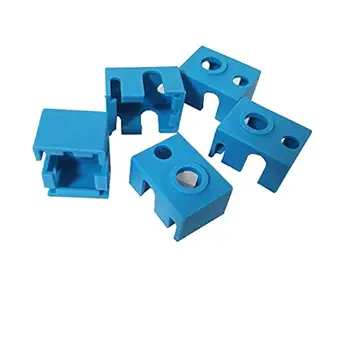
When replacing or upgrading the hotend on your Bambu Lab A1 or A1 Mini, the heating assembly is critical for consistent extrusion and print quality. This specific replacement kit includes a heating block and is designed for seamless compatibility, so focus on fit, thermal performance, and ease of installation to avoid clogs or temperature fluctuations.
Key Considerations Before Buying
- Ensure the hotend is specifically designed for the Bambu Lab A1 or A1 Mini—universal parts may not align with the printer's proprietary mounting or thermistor connections, leading to installation headaches.
- Look for a heating block with high-quality aluminum or copper alloy for fast, uniform heat distribution, which minimizes cold spots that can cause filament jams or inconsistent layer adhesion.
- Check that the kit includes a pre-installed thermistor and heater cartridge to simplify wiring—retrofitting these components separately often introduces calibration errors or poor contact.
What Our Analysts Recommend
Quality indicators include a machined, flat heating block surface for proper nozzle seating, clearly labeled wire polarity, and positive user feedback on temperature stability during long prints. Avoid kits with rough edges or vague compatibility claims.
3D Printer Accessories Market Context
Market Overview
The 3D printer parts market, especially for Bambu Lab printers, has seen a surge in aftermarket hotends as users seek faster heating and easier maintenance. With the A1 and A1 Mini's growing popularity, replacement assemblies like this one address a need for reliable, drop-in upgrades that preserve print quality.
Common Issues
Common problems include mismatched thermistor resistance values (leading to thermal runaway errors), poorly machined heating blocks that leak filament, and fragile wiring that fails after a few hot-cold cycles. Incompatibility with Bambu Lab's firmware updates can also cause unexpected shutdowns.
Quality Indicators
High-quality hotends feature stainless steel or titanium heat breaks to reduce heat creep, precise thermistor placement for accurate readings, and strain-relieved wires. Verified user reports of consistent 200-260°C operation without drift are strong signals of reliability.
Review Authenticity Insights
Grade B Interpretation
With a Grade B and an estimated 10% fake review rate, most feedback for this hotend is trustworthy, but a small fraction may be incentivized or unrelated. The 4.44 rating (adjusted to 4.20) suggests real users generally find it functional, though some praise may be inflated.
Trust Recommendation
Focus on reviews with verified purchase tags and detailed installation notes—these are likely genuine. Be cautious of overly brief five-star comments that lack specifics about print quality or fitment, as they may be paid placements.
Tips for Reading Reviews
Look for reviews that mention specific print tests (e.g., PLA at 220°C or PETG at 240°C) or compare the hotend's heating speed to the stock part. Negative feedback about loose connectors or temperature inconsistency is often more actionable than general praise.
Expert Perspective
This Bambu Lab Upgraded Hotend Heating Assembly appears to be a solid drop-in replacement for A1 and A1 Mini owners, with a strong authenticity grade indicating most reviews reflect real experiences. The 4.20 adjusted rating suggests reliable performance, though users should verify compatibility with their specific firmware version. Its inclusion of a heating block streamlines what could otherwise be a fiddly upgrade, making it a practical choice for maintaining print consistency.
Purchase Considerations
Weigh the cost against buying an OEM part—this kit may save money but could lack Bambu Lab's quality control. Also consider your technical comfort level; while installation is straightforward per reviews, those new to hotend swaps should follow a guide closely to avoid damaging the thermistor wires.
Comparing Alternatives
Shoppers should compare this with other aftermarket hotends from brands like E3D or Micro Swiss, which offer different heat break designs or nozzle compatibility for advanced materials.