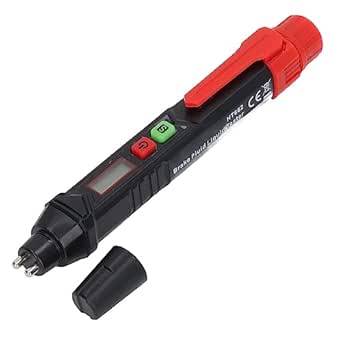
Choosing a tubing straightener requires matching tool capacity to your specific brake line diameters
The YHDD Tubing Straightener's adjustable range from 3/16" to 1.0" makes it versatile for various automotive and plumbing applications, but its effectiveness depends on matching the tool's capabilities to your specific project needs. Unlike fixed-size tools, this adjustable design offers flexibility but requires proper setup for different materials like copper, aluminum, or steel tubing commonly used in brake and fuel systems.
Key Considerations Before Buying
- Material compatibility is crucial—this tool handles softer metals like copper and aluminum well, but steel brake lines require more force and may reveal tool limitations.
- The 1.0" maximum capacity suggests it's designed for larger fuel or transmission lines, not just standard 3/16" or 1/4" brake tubing, making it a multi-purpose shop tool.
- Adjustable mechanisms on budget tools can develop play over time—check for precise roller alignment and smooth adjustment without excessive force.
What Our Analysts Recommend
Quality tubing straighteners feature hardened steel rollers that won't mar softer metals and maintain parallel alignment throughout the adjustment range. The YHDD's design with multiple roller positions suggests it uses a progressive straightening approach rather than single-pass correction, which is gentler on work-hardened tubing.
Brake Line Tools Market Context
Market Overview
The brake line tool market is divided between professional-grade hydraulic straighteners and affordable manual tools like the YHDD, with most consumer options focusing on portability and multi-material capability rather than production speed. Recent trends show increasing demand for tools that handle both metric and SAE tubing sizes, though this model uses imperial measurements only.
Common Issues
Budget straighteners often suffer from roller misalignment that creates spiral marks on tubing, or adjustment mechanisms that slip under pressure, particularly with harder materials like stainless steel lines. Many users report frustration with tools that claim wide diameter ranges but perform poorly at the extremes of their capacity.
Quality Indicators
Look for tools with replaceable rollers, precise machining on adjustment threads, and sufficient leverage in the handle design—the YHDD's T-handle suggests it's designed for better torque application than simple L-handle competitors. Quality tools maintain consistent pressure across all three contact points throughout the straightening motion.
Review Authenticity Insights
Grade B Interpretation
A Grade B authenticity rating with 15% estimated fake reviews indicates generally trustworthy feedback, though shoppers should be aware that approximately 1 in 7 reviews may be artificially positive. The drop from 5.00 to 4.60 when excluding suspicious reviews suggests some inflation but still reflects strong genuine satisfaction.
Trust Recommendation
Focus on reviews that mention specific applications like restoring bent hard lines on classic cars or straightening copper refrigeration tubing—these detailed experiences are more reliable than generic praise. The 50% verified purchase rate is average for automotive tools, so prioritize those reviews but don't dismiss detailed unverified accounts with photographic evidence.
Tips for Reading Reviews
Look for mentions of material-specific performance, particularly with steel brake lines which test a tool's durability. Reviews discussing long-term use over multiple projects provide better insight into wear issues than first-impression testimonials.
Expert Perspective
The YHDD Tubing Straightener appears to fill a specific niche in the home mechanic's toolkit—offering adjustable capability at a consumer price point, though likely with some compromises in durability compared to professional tools. The maintained 4.60 adjusted rating suggests genuine user satisfaction, particularly for occasional use on common tubing materials. Its wide diameter range makes it more versatile than dedicated brake line tools but may sacrifice some precision at specific sizes.
Purchase Considerations
Consider whether you need true brake line straightening or general tubing correction—this tool's design suggests it's optimized for softer materials and may require multiple passes on hardened steel lines. The adjustment range makes sense if you work with various tubing sizes, but if you primarily handle standard 3/16" or 1/4" brake lines, a dedicated fixed-size tool might offer better results.
Comparing Alternatives
Compare roller design and adjustment mechanism with similar adjustable tools from OEM Tools or Lang, noting that professional hydraulic straighteners cost significantly more but offer superior results on stainless lines.