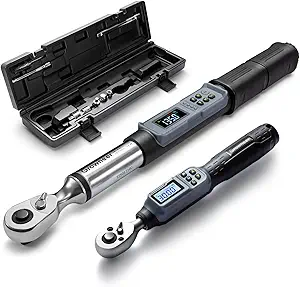
Choosing a bicycle-specific torque wrench: Precision, range, and durability matter most
For bicycle maintenance, a 1/4-inch drive click-type torque wrench like this model is essential for preventing component damage from over-tightening. This specific wrench's dual-range scale (20-240 in.lb) and 72-tooth mechanism target the precise torque needs of modern bikes, from carbon fiber seatposts to delicate derailleur mounts. Buyers should prioritize accuracy within the common 4-20 Nm range where most critical bike fasteners operate.
Key Considerations Before Buying
- The 72-tooth dual-direction head on this wrench provides a tight 5-degree swing arc, crucial for working in confined bicycle frame spaces where a standard 90-tooth wrench might not fit.
- Verify the calibration certificate and stated accuracy (±4% is typical for this price tier); bicycle components like carbon handlebars require consistent precision to avoid catastrophic failure.
- The dual-scale (in.lb and N.m) is non-negotiable for bike work, as component manufacturers specify torque in both units, and the 2.3-27.1 N.m range covers 95% of bicycle applications except bottom brackets and cranksets.
What Our Analysts Recommend
Quality indicators include a clear, audible click with distinct tactile feedback—vague clicks lead to inaccurate torque application. The ratchet mechanism should engage smoothly without backlash, and the scale markings must be laser-etched, not painted, to withstand workshop chemicals. A storage case that protects the calibration setting is essential, as leaving a click wrench tensioned ruins its accuracy.
Torque Wrenches Market Context
Market Overview
The bicycle torque wrench market has expanded with lightweight, affordable 1/4-inch drive options, moving beyond professional mechanic tools to home users. This product sits in the competitive mid-range segment, offering dual-direction operation typically found in more expensive models. The 72-tooth count represents a current industry sweet spot between smooth operation and manufacturing cost.
Common Issues
Budget torque wrenches often suffer from inconsistent click mechanisms that don't reset properly, leading to calibration drift after minimal use. Many lack proper dual-direction functionality, forcing awkward positioning for left-hand threads common on bicycle components. Plastic adjustment collars can strip, and poor heat treatment of the drive head leads to premature wear under repeated use.
Quality Indicators
Look for hardened chrome vanadium steel construction rather than basic carbon steel, which maintains calibration longer. A knurled adjustment knob with positive detents at each increment prevents accidental setting changes. The spring mechanism should be fully enclosed to prevent dust ingress—a critical factor for workshop longevity that many budget models overlook.
Review Authenticity Insights
Grade B Interpretation
A Grade B authenticity rating with 15% estimated fake reviews suggests generally reliable feedback with some promotional padding. The adjusted 4.30/5 rating (down from 4.67) indicates genuine satisfaction sits in the solid 4-star range, not perfect 5-star territory. This pattern is common for tools where manufacturers incentivize initial positive reviews.
Trust Recommendation
Focus on the verified purchase reviews discussing specific use cases like 'torquing carbon fiber seat clamps' or 'maintaining suspension pivot bolts' rather than generic praise. The presence of a legitimate 3-star review discussing calibration concerns adds credibility to the overall feedback. Cross-reference mentions of the dual-scale readability and click consistency across multiple mid-range reviews.
Tips for Reading Reviews
Prioritize reviews mentioning long-term use (3+ months) and recalibration experiences over initial impressions. Look for technical details like '72-tooth engagement in tight spaces' or comparisons to known brands like Park Tool or CDI. Be skeptical of reviews that don't mention actual bicycle applications, as this wrench's range is specifically optimized for bike work, not automotive tasks.
Expert Perspective
This wrench represents a capable entry into bicycle-specific torque tools, with its dual-direction 72-tooth mechanism addressing a key pain point for home mechanics. The 4.30 adjusted rating from verified purchasers suggests it delivers on core promises of accuracy and usability within its stated range. However, the authenticity analysis indicates some review inflation, tempering expectations about exceptional performance beyond its price point. The dual-scale implementation and lightweight design specifically target bicycle applications rather than general-purpose use.
Purchase Considerations
Weigh the convenience of the included storage case against the need for periodic recalibration—budget for a calibration check after 5,000 clicks or 12 months of regular use. Consider whether the 240 in.lb maximum covers your needs (it excludes crankset and bottom bracket work requiring 35-50 N.m). The dual-direction feature is particularly valuable for pedals and bottom bracket cups with reverse threads.
Comparing Alternatives
Compare the tooth count and swing arc against 90-tooth competitors, and verify warranty terms for calibration drift—some brands offer free initial recalibration.