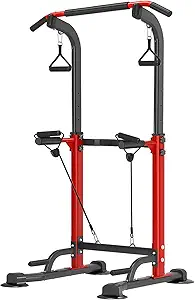
Wall-Mounted Swedish Ladder: Secure Fit, Solid Wood, Real Gains
A Swedish ladder (stall bar) is a space-efficient, full-body training tool that turns a wall into a gym. This model uses solid pine and a 9-anchor mounting system, and it's sold as an adjustable pull-up and dip station for both adults and kids. Before buying, focus on wall compatibility, load capacity, and whether the included hardware matches your wall type.
Key Considerations Before Buying
- Wall type and mounting: The 9-anchor design requires solid wood studs or masonry; drywall alone won't hold dynamic loads. Check that the included lag bolts are long enough for your wall thickness, and consider adding a backer board if studs are spaced unusually.
- Height and adjustability: Most stall bars are fixed-height, but this one is marketed as adjustable for pull-ups and dips. Measure your ceiling height and the bar's top rung to ensure you can hang without your head hitting the ceiling, and confirm the dip station width fits your shoulder range.
- Material and finish: Solid pine is strong but softer than oak or birch, so check for knot placement and whether the rungs are sanded smooth. A lacquer or oil finish helps prevent splinters and moisture damage, especially in humid home gyms.
What Our Analysts Recommend
Look for through-bolted rungs rather than screwed-in dowels, since pull-ups and dips create repeated dynamic stress. Check the load rating—quality stall bars support at least 250–300 lbs—and verify that the mounting plates are thick steel, not thin brackets. If the listing doesn't specify wall type or hardware grade, ask the seller before buying.
Dip Stands Market Context
Market Overview
Wall-mounted Swedish ladders and stall bars have surged in popularity as home gyms replace commercial memberships, especially for calisthenics and physical therapy. Most options are imported softwood or birch, with prices ranging from $150 to $500 depending on wood species and mounting hardware. This model sits in the mid-range with solid pine and a 9-anchor system, competing with brands that offer pre-drilled backboards or metal frames.
Common Issues
The most frequent complaint in this category is inadequate mounting hardware—lag bolts that are too short or lack washers—leading to wobble or wall damage. Another issue is rung spacing: too wide for smaller hands or too narrow for dips. Some buyers also report that pine rungs develop cracks over time if not finished or if overloaded. Finally, assembly instructions are often minimal, so DIY skills matter.
Quality Indicators
High-quality stall bars use kiln-dried hardwood or laminated pine with no large knots at stress points. Rungs should be at least 1.5 inches in diameter for a comfortable grip and secured with bolts that pass through the uprights. Mounting plates should be at least 3/16-inch steel, and the kit should include heavy-duty lag bolts (3/8-inch diameter or larger) and washers. A clear finish and rounded edges are signs of better manufacturing.
Review Authenticity Insights
Grade B Interpretation
A Grade B authenticity rating with an estimated 12% fake reviews means most reviews are real, but you should still filter carefully. The adjusted rating of 4.20/5 (down from 4.44) suggests that when suspicious reviews are removed, the product remains well-liked but with slightly more mixed feedback. This is typical for niche fitness equipment where a few incentivized reviews can inflate the average.
Trust Recommendation
Trust the verified purchase reviews that include photos of the installed ladder and mention specific wall types or installation challenges. Be skeptical of reviews that only praise the product without mentioning mounting or use, especially if they're unverified. Given the 12% fake rate, look for patterns in negative reviews—if multiple people mention the same hardware issue, it's likely real.
Tips for Reading Reviews
For wall-mounted fitness gear, prioritize reviews that describe the buyer's wall construction (studs, concrete, etc.) and their height/weight, as these affect satisfaction. Look for comments on rung diameter and spacing, since these are subjective but critical for comfort. Ignore generic five-star reviews that could apply to any product; focus on detailed, balanced accounts.
Expert Perspective
This Swedish ladder is a solid mid-range option for home users who want a versatile pull-up and dip station without a freestanding rig. The 9-anchor system and solid pine construction suggest it can handle regular use if installed correctly, and the adjustable design adds flexibility for families. However, the adjusted rating of 4.20/5 indicates that some buyers encountered issues—likely with hardware or assembly—so it's not a turnkey solution. It's best for someone comfortable with DIY mounting and willing to verify wall compatibility.
Purchase Considerations
Before buying, confirm that your wall has studs at the required spacing or that you can mount into masonry; otherwise, you'll need a backer board. Also consider your ceiling height and the space needed for dips—this unit extends from the wall, so measure your clear floor area. If you're taller than 6'2" or weigh over 250 lbs, check the load rating and consider a heavier-duty model.
Comparing Alternatives
Compare this with metal stall bars or freestanding pull-up stations if you can't mount to a wall or want more portability. Brands like Rogue or Titan offer similar wall-mounted units with different wood and hardware specs, so weigh the cost of added reinforcement against the convenience of an all-in-one kit.