Choosing a Precision Torque Screwdriver for Bicycle and Mechanical Applications
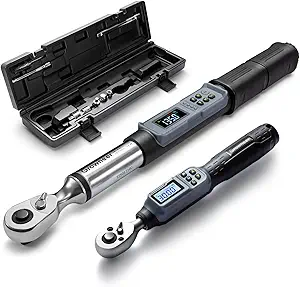
This specific 10-80 inch-pound torque screwdriver set targets DIY bicycle maintenance and mechanical tasks requiring precision fastening. Unlike bulkier click-type torque wrenches, this tool offers screwdriver-style control for smaller components where over-torquing can strip threads or damage carbon fiber parts. The included flat, hex, Torx, and Philips bit selection directly addresses the fastener types found on modern bicycles and small engines.
Key Considerations Before Buying
- The 10-80 in-lb range is ideal for bicycle components like derailleur limit screws, brake caliper mounts, and stem bolts, but insufficient for crank arms or pedals, which often require higher torque.
- A screwdriver-style tool provides better feel for small fasteners than a ratcheting wrench, but requires consistent hand pressure on the axis to achieve an accurate click, a technique that requires practice.
- The 1/4" bit holder offers versatility but adds a connection point that can theoretically introduce flex; for ultimate precision on critical components, a dedicated, non-interchangeable bit tool might be preferable.
What Our Analysts Recommend
For a tool in this category, examine the mechanism's click: it should be distinct and tactile without being jarring. Quality indicators include a clearly marked, easy-to-read scale with positive detents at setting increments and a durable, knurled handle that provides grip even with greasy hands. The bits should be made of hardened steel, specifically S2 if possible, to resist rounding.
Torque Wrenches Market Context
Market Overview
The market for low-range, inch-pound torque tools has expanded with the growth of DIY bicycle and electronics repair, creating a segment between professional mechanic's tools and imprecise hardware store options. Many new offerings are direct-import sets, like this one, that bundle a driver with a relevant bit assortment for a specific use case like cycling.
Common Issues
Common problems include mechanisms that fail to click audibly, scales that are difficult to set precisely, and bits that are made of soft steel and deform quickly. Inconsistency between the set torque and the actual applied torque (accuracy) and the ability to repeat that result (repeatability) are frequent pain points in budget-friendly models.
Quality Indicators
Look for mention of calibration certification or a stated accuracy percentage (e.g., ±4%). A reversible ratcheting head is a functional upgrade for efficiency. High-quality tools often use a cam-over or clutch mechanism that disengages cleanly to prevent overtightening after the click.
Review Authenticity Insights
Grade B Interpretation
A 'Grade B' with an 11% estimated fake review rate suggests a mostly authentic review pool with a minor but notable presence of potentially incentivized feedback. The adjusted rating of 4.40/5, down from 4.67/5, indicates the suspicious reviews were slightly more positive, but the core feedback remains reliable.
Trust Recommendation
Prioritize reviews from verified purchasers, which are strong for this listing, and pay particular attention to critical 3- and 4-star reviews. These often contain the most nuanced details about real-world performance quirks, like the feel of the click or bit durability, that 5-star reviews may gloss over.
Tips for Reading Reviews
For technical tools, seek out reviews that describe specific use cases, such as 'used on my mountain bike's brake lever clamp' or 'for reassembling a small carburetor.' These provide context for the tool's performance. Be skeptical of reviews that only praise packaging or delivery speed without detailing functional use.
Expert Perspective
This set presents a compelling value proposition for the DIY cyclist or hobbyist mechanic needing a dedicated, low-torque tool. The high volume of verified positive reviews and strong adjusted rating suggest it performs reliably for its intended tasks. The bundled bit selection is pragmatically chosen, eliminating the immediate need for additional purchases. However, as a direct-import tool, questions about long-term durability of the mechanism and the availability of recalibration services remain, which is typical for this price segment.
Purchase Considerations
Weigh the convenience of the all-in-one kit against your need for certified accuracy. If you're working on safety-critical components or carbon fiber, investing in a brand with a documented calibration track record may be warranted. For general maintenance, assembly, and non-critical applications, this tool's reported performance appears to justify its cost.
Comparing Alternatives
Shoppers should compare the mechanism type, included bit quality, and warranty terms against similar sets from brands like Neiko, Lexivon, or Precision Instruments.