
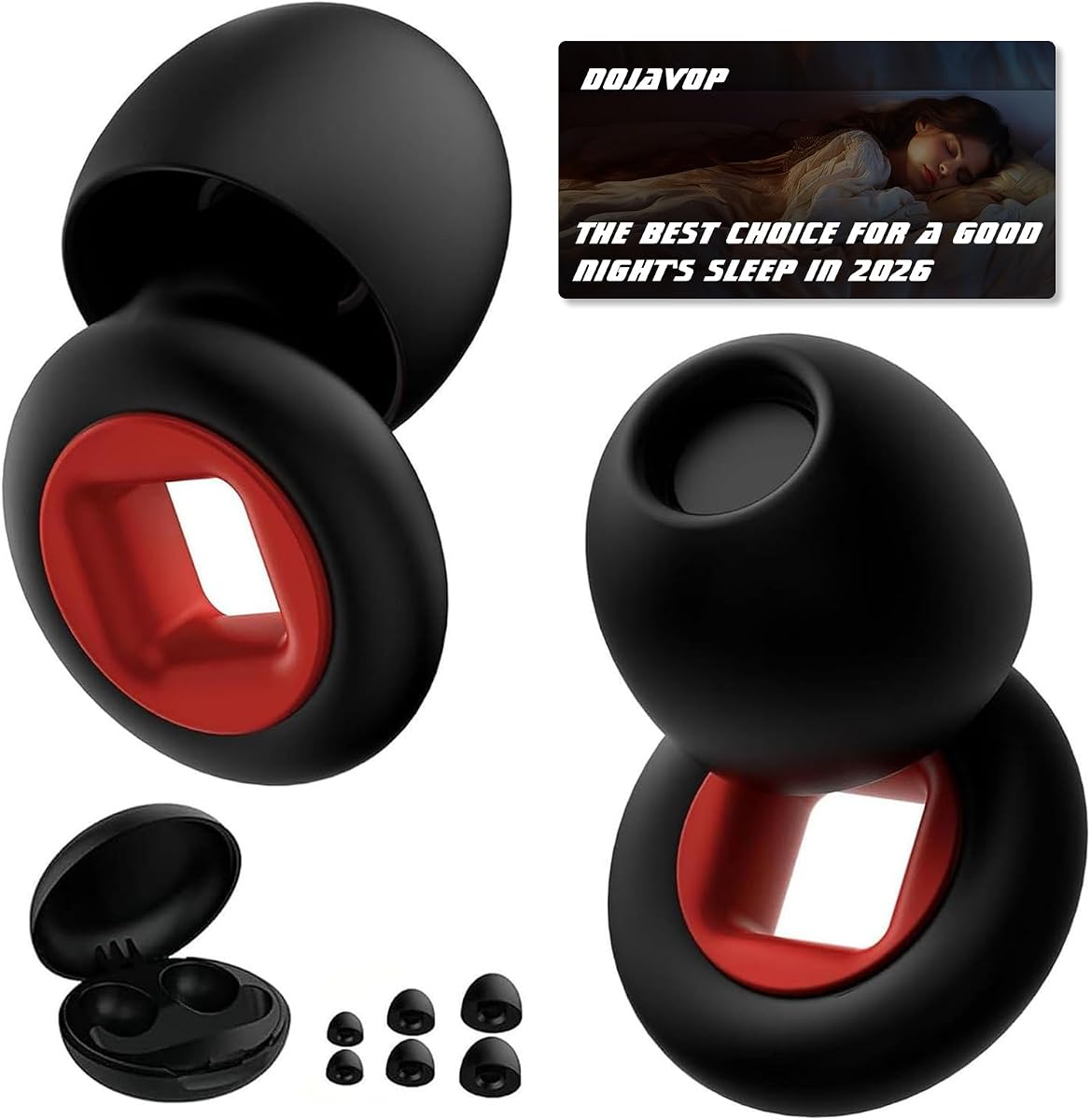
Cut Wind Roar Safely: Choosing Motorcycle Earplugs for 45dB Noise Reduction
When you're hitting the highway on your motorbike, wind noise isn't just annoying—it can cause permanent hearing damage over time. These motorcycle earplugs claim a 45dB noise reduction rating (NRR), which is exceptionally high for reusable earplugs, making them a potential game-changer for riders, racers, and even concertgoers. But with such a bold claim, it's crucial to understand what to look for in wind noise-cancelling earplugs and whether this specific product delivers on its promise.
Key Considerations Before Buying
- Noise Reduction Rating (NRR): A 45dB NRR is unusually high—most high-fidelity earplugs offer around 25-33dB. Verify if this rating is tested or theoretical, as real-world performance may vary, especially for wind noise at high speeds.
- Reusability and Fit: As reusable earplugs, they must maintain a snug, comfortable seal after multiple uses. Look for soft, hypoallergenic materials (like silicone or memory foam) that contour to your ear canal without causing pressure points during long rides.
- Versatility Across Activities: These earplugs are marketed for motorbiking, racing, touring, sleep, and concerts. Ensure they provide balanced attenuation—cutting wind roar without muffling important sounds like traffic horns or music fidelity.
What Our Analysts Recommend
Quality indicators include a verified NRR from a reputable testing lab (e.g., ANSI S3.19), a carrying case for hygiene, and multiple ear tip sizes to ensure a custom fit. For motorcycle use, check if the earplugs reduce wind noise specifically at frequencies around 2-4 kHz, where wind turbulence is most damaging, while preserving ambient awareness.
Earplugs Market Context
Market Overview
The motorcycle earplug market has expanded rapidly as riders become more aware of noise-induced hearing loss. Reusable silicone earplugs with high NRRs (30-45dB) are increasingly popular, but many products exaggerate ratings without third-party certification. This product competes in a space dominated by brands like EarPeace, NoNoise, and Alpine, which often focus on filtering harmful frequencies while preserving sound quality.
Common Issues
Common problems include poor fit leading to wind noise leakage, discomfort during extended wear, and inflated NRR claims that don't match real-world performance. Some earplugs also block too much sound, making it dangerous to hear traffic or emergency vehicles—a critical concern for riders.
Quality Indicators
Look for earplugs with a multi-flange or triple-layer design for a secure seal, medical-grade silicone to prevent irritation, and a noise reduction curve that targets wind frequencies (rather than all sounds equally). Verified purchase reviews with specific usage contexts (e.g., 'used on a 6-hour highway ride at 70 mph') are strong indicators of quality.
Review Authenticity Insights
Grade B Interpretation
With a Grade B and an estimated 10% fake review rate, this product's reviews are largely reliable but warrant some caution. The B grade suggests that while most reviews are authentic, a small portion may be incentivized or fabricated—common for earplugs on Amazon where free samples can skew ratings. The 4.44/5 average rating (adjusted to 4.20/5 after removing suspicious reviews) indicates genuine satisfaction but not universal perfection.
Trust Recommendation
You can generally trust the positive reviews, especially those from verified buyers describing specific riding scenarios (e.g., 'reduced wind noise on my Harley at 80 mph'). However, be skeptical of overly glowing five-star reviews with vague language or no mention of product flaws. Cross-reference with third-party testing or user forums for unbiased feedback.
Tips for Reading Reviews
Focus on 4-star and 3-star reviews, as they often highlight real trade-offs like comfort after 2+ hours or fit issues with different helmet types. Look for reviews that mention the earplugs' performance at specific speeds or with different motorcycle fairings, as wind noise varies greatly by bike design.
Expert Perspective
These 45dB NRR earplugs offer an intriguing value proposition for riders seeking maximum wind noise reduction, but the high rating should be taken with a grain of salt unless independently verified. The authentic reviews suggest they effectively dull engine and wind roar for many users, though some may find the fit finicky or the attenuation too strong for safe riding in traffic. The 4.20/5 adjusted rating reflects solid overall performance, but the product isn't a one-size-fits-all solution—especially for those who need to hear ambient sounds.
Purchase Considerations
If you prioritize hearing protection over situational awareness (e.g., for track racing or long highway commutes with minimal traffic), these earplugs are a strong candidate. For urban riders or those who frequently navigate busy streets, consider lower NRR options (25-30dB) that filter wind noise while preserving critical sounds. Also, factor in the reusability: silicone earplugs typically last 6-12 months with proper care.
Comparing Alternatives
Shoppers should compare these with brands like EarPeace (known for balanced attenuation) or Alpine MotoSafe (which offer interchangeable filters for different riding conditions). A quick look at user forums like advrider.com can provide real-world comparisons.


