
Evaluating At-Home Teeth Alignment Guards Versus Professional Orthodontic Solutions
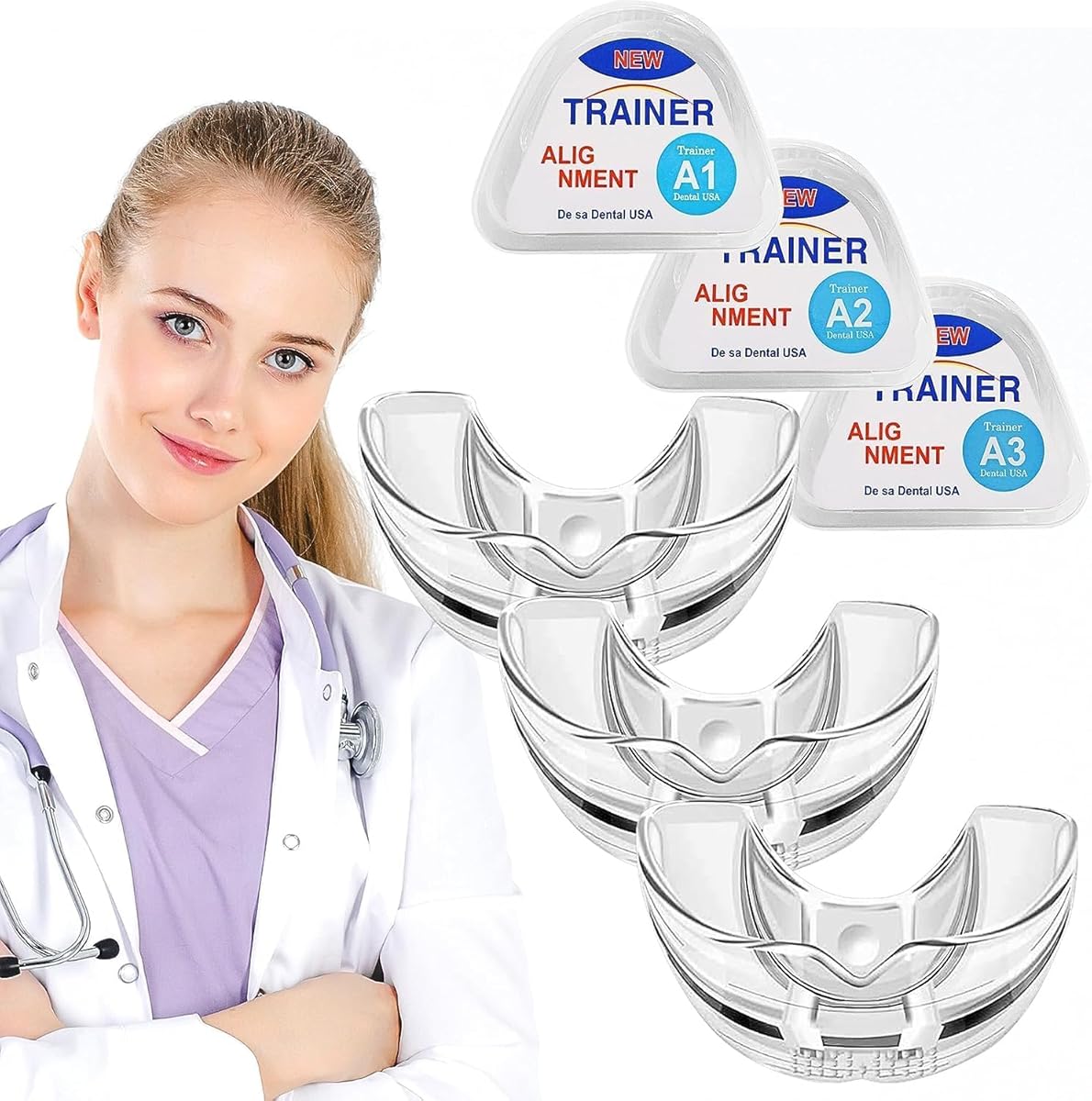
This specific product combines moldable thermoplastic material with a multi-pack approach for home teeth straightening and bruxism protection. Buyers should understand these are not medical devices but rather consumer-grade oral appliances that require careful self-assessment of dental needs. The 'upgraded' claim suggests improvements over basic boil-and-bite mouthguards, potentially in material flexibility or retention.
Key Considerations Before Buying
- The dual-purpose positioning as both a teeth straightening aid and nighttime grinding guard requires different fit characteristics—straightening needs consistent pressure while grinding protection requires cushioning.
- Moldable thermoplastic materials have limitations in creating precise orthodontic forces compared to professionally fabricated aligners with controlled pressure points and staging.
- A pack of three suggests either replacement for wear or multiple fitting attempts, which is practical given the DIY molding process's learning curve.
What Our Analysts Recommend
Quality indicators include material thickness (1.5-2mm is typical for dual-purpose guards), clarity of thermomolding instructions, and whether the guard covers molars fully for bruxism protection. Better products specify BPA-free medical-grade thermoplastic and include storage cases to prevent bacterial growth between uses.
Oral Pain Relief Market Context
Market Overview
The direct-to-consumer oral appliance market has expanded rapidly, with teeth straightening guards occupying a gray area between medical devices and wellness products. These products compete with both professional orthodontics and basic drugstore mouthguards, creating significant price and efficacy variation. Regulatory oversight remains limited for non-prescription alignment claims.
Common Issues
Users frequently report improper fit causing gum irritation, insufficient pressure for actual tooth movement, and material degradation within weeks. The most significant concern is potential for creating malocclusion or worsening existing dental issues through unguided pressure application. Temperature sensitivity during molding can also lead to burns if instructions aren't followed precisely.
Quality Indicators
Superior products provide detailed anatomical diagrams for proper positioning, specify Shore hardness ratings for the thermoplastic (typically 75-85 Shore A for this application), and include bite registration guides. Packaging should clearly state material composition and contraindications, particularly regarding existing dental work like crowns or bridges.
Review Authenticity Insights
Grade B Interpretation
A Grade B authenticity rating with 11% estimated fake reviews indicates predominantly genuine feedback but suggests some review manipulation. The 0.20-point difference between the raw 4.00 and adjusted 3.80 rating shows inflated scores from questionable reviews. For a product with only 31 reviews, this percentage represents approximately 3-4 potentially unreliable evaluations.
Trust Recommendation
Focus on verified purchase reviews that describe specific fitting experiences or multi-week usage patterns. Be particularly skeptical of reviews claiming dramatic teeth movement in short timeframes, as authentic orthodontic changes require months of consistent pressure. The 3.80 adjusted rating better reflects genuine user experiences than the displayed 4.00 average.
Tips for Reading Reviews
Prioritize reviews that mention dental history (previous orthodontics, specific conditions like overbite), detail the molding process challenges, or discuss comparative experiences with other oral appliances. Look for photographic evidence of fit or wear patterns, and note whether reviewers differentiate between grinding protection and alignment effects.
Expert Perspective
This product represents a moderate-risk option in the consumer oral appliance category. The 3.80 adjusted rating from verified reviews suggests generally satisfactory performance for basic grinding protection but limited efficacy for actual teeth straightening. The multi-pack configuration addresses the common issue of improper initial molding, providing practical value. However, the dual-purpose positioning creates functional compromises—guards optimized for bruxism typically differ in design from those intended for alignment.
Purchase Considerations
Consider this primarily as a grinding guard with potential minor alignment benefits for very slight spacing issues. Users with complex dental histories or significant malocclusion should consult dental professionals before use. The moldable approach requires patience and possibly multiple attempts to achieve optimal fit, making the three-pack configuration particularly valuable for first-time users.
Comparing Alternatives
Shoppers should compare thickness specifications, thermoplastic composition, and return policies against similar products like DenTek Professional-Fit or Oral-B Nighttime Dental Guard.


