Electric Sax Buying Guide: What Beginners Need to Know First
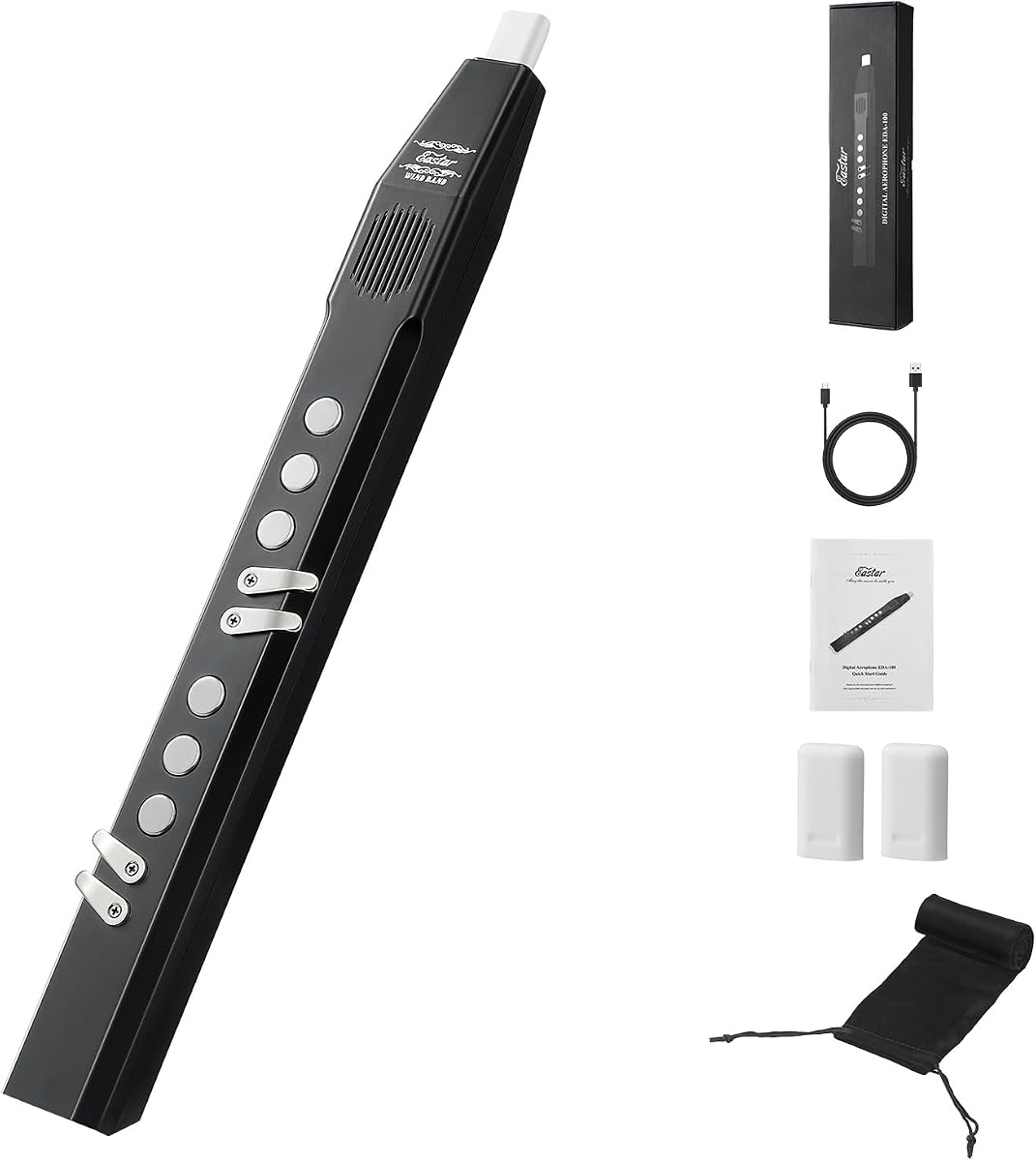
The Eastar EDA-100 is a 27-tone electric woodwind sax with MIDI and Bluetooth — a fundamentally different instrument from an acoustic saxophone. Before buying, understand how digital wind controllers work, what they can and cannot replicate, and whether the bundled beginner kit matches your goals.
Key Considerations Before Buying
- Digital wind instruments like the EDA-100 rely on breath sensors and touch keys rather than reeds and acoustic resonance, so they produce sound through internal tones or connected apps — not through the body of the instrument. This means silent practice via headphones is possible, but the playing feel differs noticeably from an acoustic saxophone.
- The 27 built-in tones and MIDI/Bluetooth connectivity determine versatility: MIDI output lets you drive software instruments on a computer or tablet, while Bluetooth is typically better suited to casual app play than low-latency performance. Confirm which connection types your intended apps or DAW support before relying on wireless play.
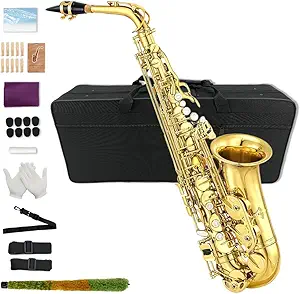
- As a beginner kit, the value depends heavily on what's included — mouthpiece, reeds or synthetic alternatives, carrying case, and instructional access. Beginners should check whether the bundle covers the accessories they'd otherwise buy separately, since a cheap instrument with missing essentials can cost more overall.
What Our Analysts Recommend
Prioritize breath response sensitivity, key layout comfort, and build quality at the mouthpiece and key contacts, since these are the parts most likely to fail on budget electric wind instruments. Look for clear documentation of tone list, MIDI implementation, and battery or power requirements. A responsive return policy matters more than spec sheets here, because digital wind instruments are highly personal in feel.
Saxophones Market Context
Market Overview
Electric and digital wind instruments occupy a small but growing niche between traditional saxophones and MIDI controllers, appealing to apartment dwellers, hobbyists, and producers who want wind-style expression without acoustic volume. Entry-level models like the Eastar EDA-100 compete on price and bundled features rather than professional-grade sensors or tone libraries.
Common Issues
Buyers frequently report breath-sensor inconsistency, latency over Bluetooth, and tone quality that sounds synthetic compared to sampled instruments. Durability of keys and moisture resistance around the mouthpiece are recurring weak points in budget electric winds, and app compatibility can be hit-or-miss across iOS, Android, and desktop platforms.
Quality Indicators
Better electric wind instruments offer adjustable breath sensitivity, low-latency wired MIDI, and a clearly documented tone list rather than vague claims like '27 tones.' Responsive customer support and a visible community of users are stronger quality signals than marketing copy. Check whether firmware updates are offered, as this indicates ongoing product support.
Review Authenticity Insights
Grade A Interpretation
An authenticity grade of A with an estimated 8% fake review rate is strong for this category, meaning most of the 24 reviews are likely genuine. The adjusted rating of 3.90 versus the displayed 4.11 suggests a modest inflation effect, but the gap is small enough that the overall sentiment — generally positive with caveats — is probably trustworthy.
Trust Recommendation
You can treat the review base as reasonably reliable, but with only 24 reviews, individual experiences carry outsized weight. Read the critical reviews first, especially those mentioning breath response, Bluetooth latency, or build durability, and weigh them against your own tolerance for those limitations.
Tips for Reading Reviews
For electric wind instruments, prioritize reviews from users who mention their prior experience — acoustic sax players will judge feel differently than complete beginners. Look for specific details like app names, latency observations, or practice routines, since these indicate hands-on use rather than vague impressions.
Expert Perspective
The Eastar EDA-100 targets a specific buyer: a beginner or casual player who wants sax-like expression with silent practice and MIDI/Bluetooth flexibility at a low price. Its 3.90 adjusted rating and Grade A authenticity suggest a product that generally meets expectations without exceeding them. The 27-tone library and connectivity options are competitive for the price band, but the instrument's value hinges on whether its breath response and key feel suit you personally.
Purchase Considerations
Weigh the EDA-100 against your actual goal: if you want to learn acoustic saxophone technique, a digital wind controller may build habits that don't transfer cleanly. If your priority is silent practice, MIDI production, or low-cost experimentation, the feature set is more aligned. Check the return window carefully, since feel-based returns are common in this category.
Comparing Alternatives
Compare the EDA-100 with other entry-level electric wind instruments and, if budget allows, entry acoustic saxophones, since the right choice depends on whether you value silent digital play or authentic acoustic response.