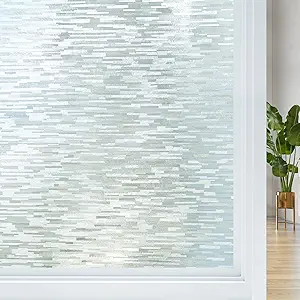
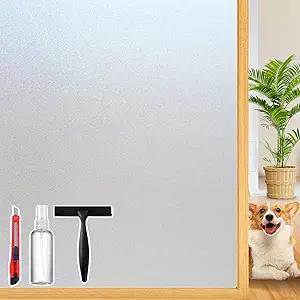
Choose the Right Reflective Window Film for Privacy and Heat Control
When selecting a one-way privacy window film like this upgraded black-silver reflective option, you're balancing daytime privacy, heat rejection, and ease of installation. This static-cling design avoids adhesive mess but requires careful trimming and application to avoid bubbles, especially on larger panes like the 17.5-by-78.74-inch size.
Key Considerations Before Buying
- Daytime vs. nighttime privacy: One-way mirror films work best when it's brighter outside than inside; at night with interior lights on, the reflective effect reverses, so consider adding curtains or blinds for evening privacy.
- Heat and UV blocking: Films with metallic or reflective layers (like the black-silver here) typically reject more solar heat and UV rays than tinted or decorative films, but they may also reduce visible light transmission—important for rooms needing natural brightness.
- Static cling vs. adhesive: Static-cling films are removable and repositionable, ideal for renters or temporary use, but they may not adhere as firmly to textured or non-smooth glass, and they lack the durability of adhesive films in high-heat or high-humidity environments.
What Our Analysts Recommend
Quality indicators include consistent reflectivity without pinholes, a scratch-resistant outer layer, and a non-toxic, low-odor material. Look for verified customer photos showing real-world glare reduction and privacy effectiveness, as well as detailed instructions or video guides for bubble-free application.
Window Films Market Context
Market Overview
The window film market has expanded rapidly with DIY-friendly static-cling and peel-and-stick options, driven by demand for energy savings, UV protection, and rental-friendly privacy solutions. Reflective films like this one compete with ceramic, tinted, and decorative varieties, each offering different trade-offs in light transmission and heat rejection.
Common Issues
Common complaints include difficulty applying without wrinkles or bubbles, reduced effectiveness on double-pane or low-E glass (some films can cause seal failure), and the nighttime privacy reversal mentioned earlier. Some users also report a slight mirror glare that can be distracting to neighbors or passersby.
Quality Indicators
High-quality reflective films use multi-layer sputtered metal or ceramic coatings for even reflectivity and durability. Check for UV rejection ratings (typically 95%+ for good films), thickness (mil or micron), and whether the film is backed by a warranty against peeling or fading.
Review Authenticity Insights
Grade B Interpretation
With a Grade B and an estimated 10% fake review rate, this product's review pool is mostly reliable but includes a small segment of potentially incentivized or inauthentic feedback. The adjusted rating of 4.60/5 still indicates strong genuine satisfaction, but the 10% suspicious rate means a handful of overly positive or vague reviews should be taken with caution.
Trust Recommendation
Given the high number of verified purchasers and personal context in reviews, you can generally trust the overall sentiment. Focus on reviews that mention specific installation challenges, real-world heat reduction, or comparisons to other films, as these are harder to fake.
Tips for Reading Reviews
For window films, prioritize reviews that include photos of the finished application, especially from different times of day, to assess privacy and glare. Be skeptical of reviews that only praise 'easy installation' without mentioning surface preparation or tools used, as these may gloss over common pitfalls.
Expert Perspective
This upgraded reflective window film offers a solid balance of daytime privacy, heat rejection, and UV protection at a competitive price, backed by a high number of genuine positive reviews. The static-cling design suits renters or those who want a non-permanent solution, but the 10% fake review rate and Grade B authenticity rating suggest you should verify performance claims through real-world user photos and detailed feedback. The 17.5-by-78.74-inch size is generous for standard windows, but careful measurement and application are key to avoiding waste.
Purchase Considerations
Weigh the need for daytime privacy and heat control against the nighttime transparency reversal and potential installation learning curve. If you have large windows or high-humidity rooms (bathrooms, kitchens), consider an adhesive film for better long-term adhesion.
Comparing Alternatives
Shoppers should compare this film with adhesive reflective films for more permanent installations, or with ceramic tints if they prioritize heat rejection without the mirror look.