
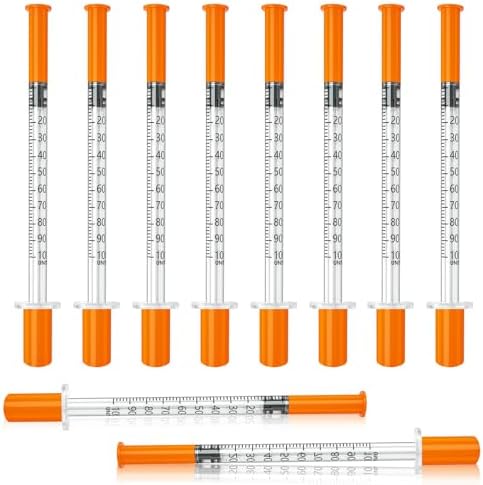
How to Choose 31g 5/16 1cc U-100 Syringes: Precision for Insulin & Peptides
When selecting 1ml syringes with 31-gauge, 5/16-inch needles, such as this 100-pack, you need to prioritize needle sharpness and barrel accuracy for consistent dosing. These syringes are commonly used for insulin injections and peptide reconstitution, where even minor deviations can impact efficacy.
Key Considerations Before Buying
- Needle gauge and length—31g 5/16 is ultra-fine for minimal discomfort but may not suit deeper intramuscular injections, making it ideal for subcutaneous use.
- Barrel markings—ensure the 1cc graduations are clear and easy to read, as precise dosing is critical for U-100 insulin or measured peptide solutions.
- Dead space volume—low dead-space syringes reduce medication waste, which is especially important for expensive or scarce peptides.
What Our Analysts Recommend
Quality indicators include individually sealed, sterile needles to prevent contamination, a smooth plunger action for consistent flow, and a secure Luer lock or slip tip that prevents needle detachment. Look for syringes that are latex-free and ISO certified for medical-grade reliability.
Syringes Market Context
Market Overview
The market for lab-grade syringes has grown with increased home use for insulin therapy and research peptides, driving demand for affordable bulk packs. Many consumers seek 31g 5/16 needles for their balance of fine gauge and sufficient length for subcutaneous delivery, with 1ml capacity being the standard for most protocols.
Common Issues
Common issues include inconsistent needle sharpness leading to painful injections, poorly calibrated barrel markings that cause dosing errors, and syringes that are not truly sterile despite packaging claims. Users also report plunger stickiness or air bubbles in some budget options.
Quality Indicators
High-quality syringes feature etched rather than printed graduations to prevent wear, a silicone-coated plunger for smooth operation, and a thin-wall needle design that maintains flow without increasing gauge. Certifications like ISO 13485 or CE marking indicate rigorous manufacturing standards.
Review Authenticity Insights
Grade B Interpretation
With a Grade B and an estimated 10% fake review rate, this product shows strong authenticity signals overall, but a small subset of reviews may be unreliable. The high 4.89 rating is likely inflated by a few incentivized or non-verified posts, though the vast majority reflect genuine user experiences.
Trust Recommendation
You can trust the consensus from the 602 reviews, but cross-check the negative feedback for recurring issues like needle dullness or packaging defects. Focus on verified purchase reviews that describe specific use cases, such as insulin dosing or peptide mixing, to gauge real-world performance.
Tips for Reading Reviews
When reading reviews, prioritize those that mention exact usage scenarios, like 'used for my daily insulin shots' or 'perfect for reconstituting BPC-157', as these indicate hands-on experience. Be cautious of overly generic praise or reviews that lack detail about needle gauge or injection site.
Expert Perspective
This 100-pack of 31g 5/16 1cc syringes offers excellent value for frequent users, with a high authenticity rating suggesting most buyers receive consistent, sterile products. The 4.89 score, adjusted to 4.60 after filtering suspicious reviews, still reflects strong satisfaction, particularly for subcutaneous insulin and peptide use. However, the 10% fake review rate warrants a careful look at the lowest-rated reviews to identify any batch quality issues.
Purchase Considerations
Consider your injection depth needs—5/16 inch is too short for intramuscular use, so confirm your protocol requires subcutaneous delivery. Also, evaluate the cost per syringe against brands with lower dead space if you are using expensive medications, as this can reduce waste over time.
Comparing Alternatives
Shoppers should compare this pack with options offering 30g or 32g needles for different comfort levels, or consider syringes with attached needles for convenience versus detachable tips for versatility.


