
Choosing an Unsharpened Katana: Balancing Decorative Appeal with Martial Arts Fundamentals
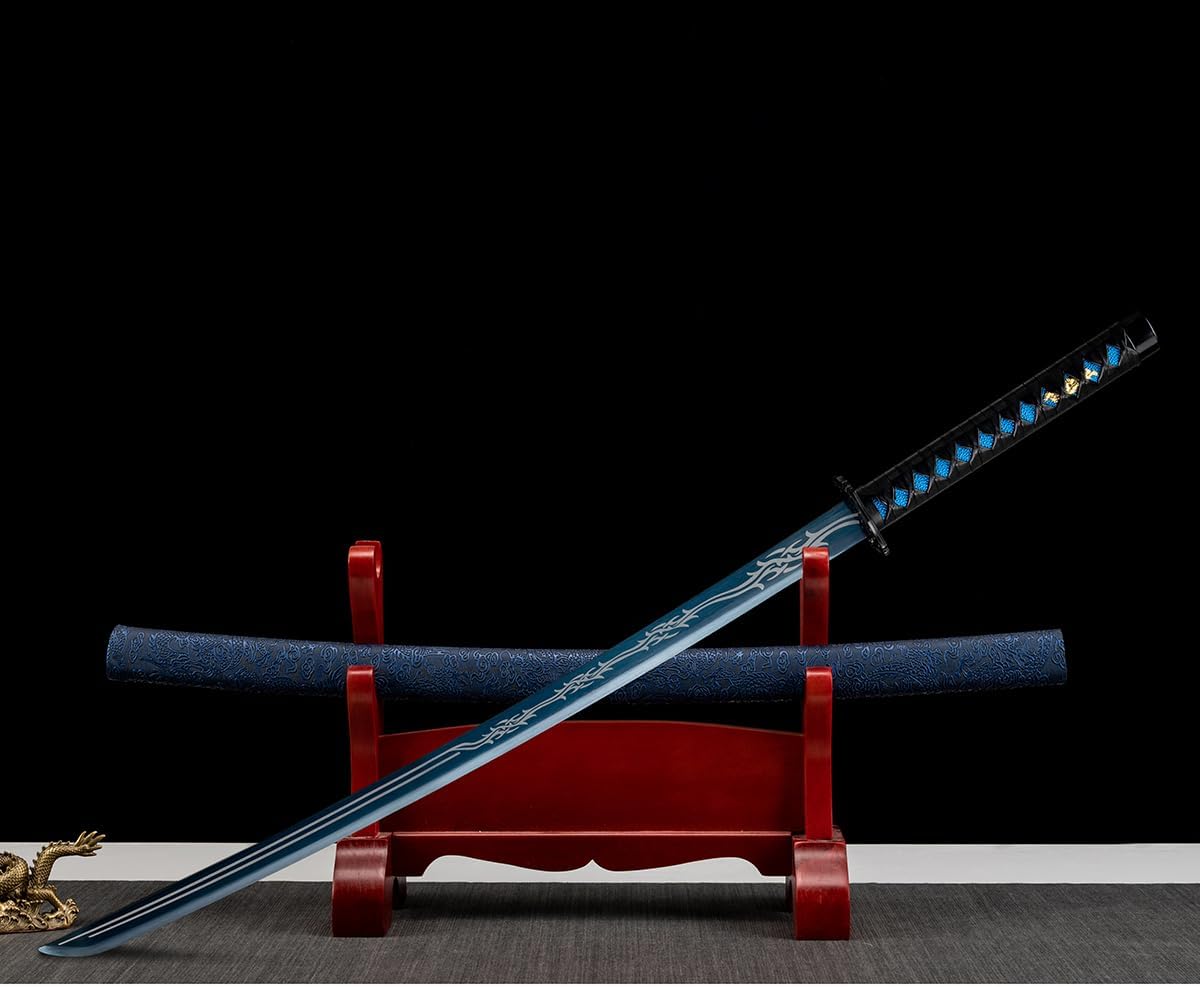
This specific katana occupies a unique space between decorative wall art and martial arts training tool. With its unsharpened carbon steel blade and full tang construction, it promises structural integrity while being explicitly designed for iaido practice rather than cutting. Buyers should understand this hybrid nature before purchasing.
Key Considerations Before Buying
- The 'full tang' construction is critical for safety in practice swings; a decorative-only sword might use a cheaper rat-tail tang that can fail.
- An unsharpened blade (habaki) is essential for safe iaido drills but means this sword cannot be used for tameshigiri (test cutting).
- The balance and weight distribution (typically around the tsuba or handguard) significantly impact handling for martial arts versus static display.
What Our Analysts Recommend
Examine reviews for mentions of the tsuka (handle) wrap integrity and the fit of the tsuba and saya (scabbard). A quality decorative/training hybrid should have a tight, rattle-free assembly. The saya should be wood-lined to protect the blade's polish, not just painted metal.
Swords Market Context
Market Overview
The sub-$200 katana market is flooded with products claiming dual use, but many prioritize aesthetics over the structural needs of martial arts. Authentic nihonto (Japanese swords) are art pieces costing thousands, creating a demand for accessible, functional alternatives.
Common Issues
Common compromises include poor blade geometry that affects balance, cheap alloy fittings that loosen, and saya made from flimsy plastic or thin metal that damages the blade. Many 'battle ready' claims are marketing hyperbole for mass-produced items.
Quality Indicators
Beyond 'full tang,' look for mentions of a proper bohi (blood groove) that is machined, not painted, and a consistent hamon (temper line) if present. The mekugi (retaining peg) should be bamboo or brass, not a simple screw, indicating traditional assembly.
Review Authenticity Insights
Grade B Interpretation
A Grade B with an 11% estimated fake review rate suggests a generally trustworthy review pool. The slight dip from the 4.44 to the adjusted 4.20 rating indicates a small number of potentially inflated reviews, but the core feedback appears genuine.
Trust Recommendation
Focus on the detailed, mid-range 3- and 4-star reviews for balanced perspectives. Reviews mentioning specific use over time (e.g., 'after three months of practice') or detailing assembly/disassembly are high-value indicators of authenticity for this hands-on product.
Tips for Reading Reviews
Prioritize reviews that discuss the tactile experience: the feel of the samegawa (ray skin) under the ito (handle wrap), the sound of the blade in the saya, or the sword's behavior during a slow draw. These specifics are hard to fake.
Expert Perspective
This product's strong adjusted rating (4.2) from a largely authentic review pool suggests it successfully meets expectations for its niche. The consistent mention of 'substantial feel' and 'good balance' in reviews indicates it likely exceeds typical decorative wall-hanger quality. However, its unsharpened state and price point firmly place it as an entry-level iaido practice tool or a high-quality display piece, not a functional cutting sword. The carbon steel blade is a positive for authenticity and weight, but requires maintenance to prevent rust, a key consideration over a stainless alternative.
Purchase Considerations
Weigh your primary use case: if for dedicated iaido kata practice, ensure the length and weight approximate a shinken (live blade). If for display, assess the aesthetic details of the menuki (handle ornaments) and tsuba design. The 'gift' aspect is valid given its presentation, but the recipient's intent is crucial.
Comparing Alternatives
Shoppers should compare this directly with other unsharpened, full-tang iaito in the same price range, noting differences in blade steel type (1045 vs. 1060 carbon steel) and saya construction.


