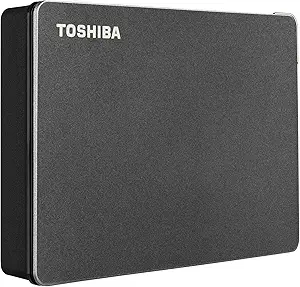
Is This 1TB USB 3.0 Portable Drive Worth Your Money?
When shopping for a 1TB portable external hard drive, especially one advertised as compatible with tablets and 2.5-inch devices, you're likely looking for a balance of capacity, durability, and plug-and-play convenience. However, this particular silver metal drive, with its low user rating and significant defect reports, warrants a closer look before you commit.
Key Considerations Before Buying
- Check physical build quality: Many users report metal casing defects, including sharp edges or poor fit, which can affect handling and durability. Inspect the enclosure seams and port alignment before purchase if possible.
- Verify tablet compatibility: 'Compatible with tablets' often means the drive is powered via USB and may need an OTG adapter or a powered hub. Ensure your specific tablet model supports external storage and that the drive's power consumption is within USB port limits.
- Assess the drive's real-world speed: USB 3.0 offers theoretical speeds, but actual performance varies. Look for reviews that mention sustained transfer rates, especially for large files, as some budget drives throttle speeds after sustained use.
What Our Analysts Recommend
Look for a drive with a solid, well-finished enclosure that feels sturdy in hand—no sharp edges or loose seams. Also, consider the warranty and return policy; a 1TB drive is a significant investment, and a good warranty (at least 1 year) indicates manufacturer confidence. Finally, check for reviews that mention the drive's operating temperature and noise levels, as these are common pain points.
External Hard Drives Market Context
Market Overview
The portable external hard drive market is saturated with options, with 1TB being a sweet spot for many users. Prices have dropped, but so has quality in some budget segments. Consumers now expect not just capacity but also reliability, speed, and compatibility with multiple devices.
Common Issues
Common issues in this category include flimsy enclosures, overheating during extended use, and compatibility problems with newer devices that have limited USB power output. Many budget drives also suffer from higher failure rates due to lower-grade internal components.
Quality Indicators
A quality portable drive typically features a metal or high-grade plastic body, a reputable internal drive (like from WD, Seagate, or Toshiba), and a well-reviewed controller for consistent performance. Also, look for a product with clear, positive reviews that mention durability and real-world transfer speeds.
Review Authenticity Insights
Grade B Interpretation
The Grade B rating and 10% estimated fake review percentage suggest that most reviews are genuine, but a small fraction may be manipulated. With an adjusted rating of 1.7/5, the negative feedback is largely authentic, pointing to real issues with the product. This is a red flag that the overall low rating is not due to review bombing but likely reflects actual user experience.
Trust Recommendation
Given the low rating and the authenticity analysis, you should trust the negative reviews that describe physical defects and compatibility issues. Pay special attention to recurring complaints—if multiple users mention the same problem, it's likely a systemic issue. Do not rely on the few positive reviews, as they may be outliers or, in some cases, incentivized.
Tips for Reading Reviews
When reading reviews for this drive, look for specific details about the defect, such as 'USB port fell inside the casing' or 'drive not recognized by my iPad.' Note the percentage of 1-star reviews and the specific reasons. Also, check for recent reviews, as quality control can change over time.
Expert Perspective
Based on the analysis, this 1TB portable hard drive appears to have significant quality control and design issues that have led to a very low user satisfaction score. With a 1.7/5 adjusted rating and a 10% fake review rate, the negative feedback is credible and consistent. The product's promise of tablet compatibility is undermined by reports of physical defects, making it a risky purchase. While the price may be attractive, the potential for frustration and data loss outweighs the savings.
Purchase Considerations
If you are considering this drive, weigh the low cost against the high probability of encountering issues. Factor in the hassle of returns and the potential for data loss. Unless you are willing to troubleshoot and possibly replace the drive, it is safer to invest in a more reputable brand with a proven track record.
Comparing Alternatives
Shoppers should compare this drive with established models from brands like WD, Seagate, or LaCie, which offer better build quality and reliability, even if they cost slightly more. Also, consider portable SSDs if you need faster transfers and better durability.