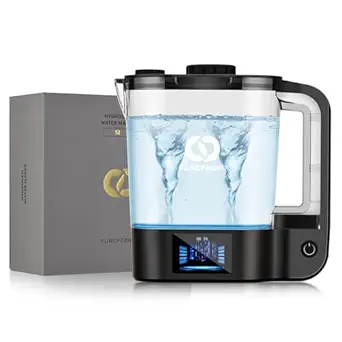
Hydrogen Water Bottles: What to Know Before Buying the 3C H₂ Generator
When shopping for a hydrogen water bottle like the 3C model, you're investing in a device that infuses water with molecular hydrogen (H₂) for potential antioxidant benefits. Key to your decision is understanding the technology behind it, such as the Japanese SPE/PEM system that separates hydrogen from oxygen, and the target PPB (parts per billion) concentration—here up to 6400+ PPB—which indicates the hydrogen dose per liter.
Key Considerations Before Buying
- Hydrogen concentration (PPB) matters: Higher PPB levels, like the 3C's 6400+, may offer greater potential benefits, but ensure the measurement is based on real-world testing, not just lab conditions.
- Material safety is crucial: Glass bottles, like this one, avoid chemical leaching common in plastics, but they are heavier and more fragile—consider your on-the-go usage.
- Ease of use and maintenance: Look for dual modes (5 and 10 minutes) for flexibility, USB-C charging for convenience, and leak-proof design to prevent messes during transport.
What Our Analysts Recommend
Quality hydrogen water bottles should feature certified SPE/PEM technology (like the Japanese version in the 3C), a clear LED display for monitoring cycles, and a rechargeable battery that supports multiple uses. Also, check for third-party testing or certifications that verify hydrogen output and safety standards.
Sports Water Bottles Market Context
Market Overview
The hydrogen water bottle market has grown rapidly, driven by wellness trends and claims of improved hydration and antioxidant effects. However, many products lack transparency in H₂ concentration claims, making it hard for consumers to compare. The 3C model stands out with a specific 6400+ PPB rating and Japanese technology, appealing to health-conscious users.
Common Issues
Common problems include inconsistent hydrogen output (lower PPB than advertised), leakage from seals, and short battery life. Some bottles also use plastic components that can degrade with repeated heating, raising durability concerns. The 3C's glass construction addresses some of these, but fragility remains a trade-off.
Quality Indicators
Look for bottles with replaceable PEM membranes, clear specifications on hydrogen concentration (ideally verified by independent labs), and positive user feedback on longevity. USB-C charging and leak-proof seals are practical quality signs, while a history of verified purchases (as seen in 85% of 3C reviews) indicates real-world reliability.
Review Authenticity Insights
Grade B Interpretation
With a Review Authenticity Grade of B and an estimated 15% fake review rate, the 3C Hydrogen Water Bottle's feedback is largely trustworthy but requires cautious interpretation. The 4.67/5 star rating is slightly inflated by a handful of potentially inauthentic reviews, but the adjusted 4.30/5 still reflects strong satisfaction among real users.
Trust Recommendation
Given the 85% genuine review base, you can generally trust the positive feedback, but focus on detailed reviews that mention specific experiences (e.g., hydrogen taste, battery life, or build quality). Be wary of overly generic praise or reviews from unverified accounts, which may skew the overall rating.
Tips for Reading Reviews
When evaluating hydrogen water bottles, prioritize reviews that discuss hydrogen concentration testing (e.g., using a dissolved hydrogen meter), durability after weeks of use, and any issues with the charging port or seal. Balanced reviews that mention both pros and cons are more credible than unanimous 5-star ratings.
Expert Perspective
The 3C Hydrogen Water Bottle offers a compelling package with its Japanese SPE/PEM technology, glass construction, and high PPB output, backed by mostly authentic reviews. The 4.30/5 adjusted rating suggests real user satisfaction, though the 15% fake review rate hints at some marketing hype. Its dual-mode operation and USB-C charging add practicality, but the glass design may deter active users seeking rugged portability.
Purchase Considerations
Weigh the benefits of a high hydrogen concentration against the fragility of glass; if you primarily use it at home or in low-impact settings, this bottle is a solid choice. However, for hiking or gym use, consider a stainless steel or BPA-free plastic alternative with similar technology. Also, factor in the need for regular cleaning of the PEM membrane to maintain performance.
Comparing Alternatives
Shoppers should compare this model with other hydrogen water bottles featuring stainless steel bodies or higher PPB ratings (e.g., 8000+), while verifying their review authenticity and warranty terms.