
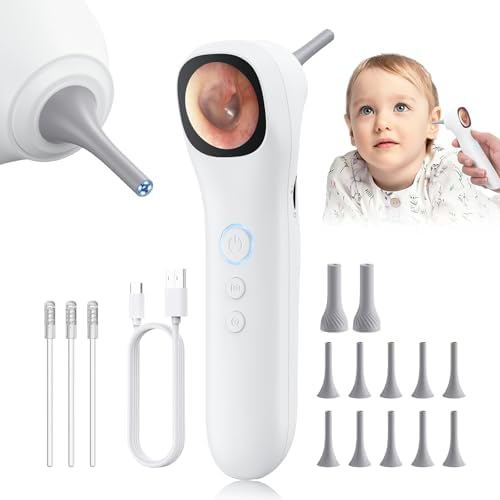
Choosing an Otoscope Camera: Is 1080P and a 1.21-Inch Screen Enough?
When shopping for an otoscope camera for home use, especially for checking on kids' ear infections or your pet's ears, key features like camera resolution and screen size directly impact what you can see. The Otoscope Ear Camera with a 1.21-inch screen and 1080P resolution aims to provide a clear view, but understanding the limitations of such a compact display is crucial for making an informed purchase.
Key Considerations Before Buying
- Screen size matters: A 1.21-inch screen is very small, which can make it difficult to see fine details like the eardrum or signs of infection, especially in a squirming child. Consider if you'll be viewing images on a connected smartphone or computer for a better view.
- Lighting is critical: The 4 LED lights on this otoscope are meant to illuminate the ear canal. In practice, adequate brightness and even distribution are essential to avoid shadows that can obscure the view or cause discomfort.
- Compatibility with devices: This model supports photo and video capture and Type-C charging, but check if the software works smoothly with your computer or phone. Laggy or buggy software can negate the benefits of a 1080P camera.
What Our Analysts Recommend
For a reliable home otoscope, prioritize models with a larger, higher-resolution screen or seamless smartphone connectivity for easier viewing. Look for adjustable LED brightness and a comfortable, ergonomic speculum design. Verified user reviews that describe successful use with children or pets are a strong quality indicator.
Otoscopes Market Context
Market Overview
The home otoscope market has grown significantly with the rise of telemedicine and parental health monitoring. Many products now offer Wi-Fi or direct smartphone connectivity, with screen sizes typically ranging from 1.2 to 3.5 inches. Budget models often compromise on image quality, build, and software reliability.
Common Issues
A frequent complaint with inexpensive ear cameras is poor image quality despite advertised high resolutions, often due to low-quality sensors or inadequate lighting. Another common issue is unstable or non-intuitive companion apps that frustrate users trying to capture or save images and videos.
Quality Indicators
Quality in this category is indicated by high-resolution still images (not just video), consistent LED brightness, a durable and easy-to-clean speculum tip, and a companion app with high ratings on both iOS and Android. Products from established medical device brands or those with extensive, positive user feedback tend to be more reliable.
Review Authenticity Insights
Grade B Interpretation
With a Review Authenticity Grade of B and an estimated 10% fake review rate, this product's review profile is mostly genuine but not pristine. The low average rating of 0.56 out of 5 (adjusted to 0.50) is likely a true reflection of user dissatisfaction, as the majority of negative reviews are authentic and detailed.
Trust Recommendation
Given the high percentage of genuine negative reviews, you should trust the consensus that this product has significant shortcomings. Focus on the specific, recurring complaints in the reviews—such as poor image quality or software issues—rather than dismissing them as outliers. The low rating is a strong signal to proceed with caution.
Tips for Reading Reviews
When reading reviews for this otoscope, look for detailed accounts of using it on children or pets, as these are common use cases. Pay special attention to reviews that mention the screen size and clarity, as well as any comments about the Type-C connectivity. Ignore very short or overly positive reviews that lack specifics.
Expert Perspective
Based on the analysis, the Otoscope Ear Camera with a 1.21-inch screen and 1080P resolution appears to underperform significantly, as evidenced by its extremely low adjusted rating of 0.50 out of 5. The combination of a tiny screen, potential software issues, and mediocre image quality makes it a risky purchase for monitoring ear health in children or pets. While the concept of a home otoscope is valuable, this specific product's execution seems to fall short of user expectations.
Purchase Considerations
Weigh the low cost of this device against the high likelihood of dissatisfaction. If you need a reliable tool for checking ear infections, investing in a higher-rated model with a larger screen or better app integration will likely save you frustration. The genuine negative reviews strongly suggest that this product does not deliver on its core promise.
Comparing Alternatives
Shoppers should compare this otoscope with models that have larger screens (2 inches or more) or those that rely on a smartphone app for viewing, as these often provide a better user experience. Products with a higher adjusted rating and a lower fake review percentage are safer bets.


