
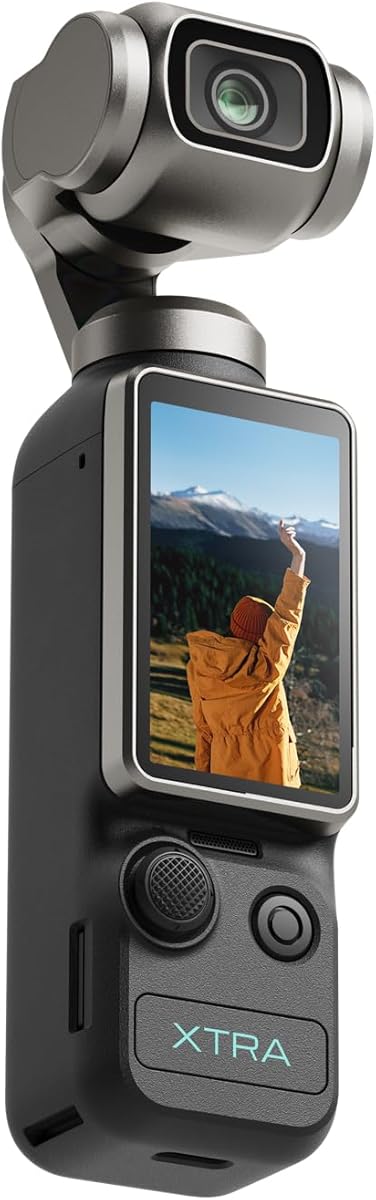
Choosing a Pocket Vlogging Camera: Balancing 4K Performance with Gimbal Stabilization
The Xtra Muse positions itself as a hybrid solution for creators who need both high-resolution 4K/120fps video and built-in 3-axis gimbal stabilization in a pocketable form. Unlike traditional camcorders or DSLRs, this category prioritizes portability and ease-of-use for on-the-go content creation. Buyers should evaluate whether the combination of a 1-inch CMOS sensor and electronic stabilization meets their specific needs for vlogging, travel, or social media content.
Key Considerations Before Buying
- Stabilization vs. Sensor Size: The built-in 3-axis gimbal is the Xtra Muse's standout feature for smooth handheld footage, but compare its effectiveness to cameras with larger sensors that might use superior in-body or lens-based stabilization.
- 4K/120fps Workflow: Verify your editing hardware can handle high-bitrate 4K footage at 120 frames per second, as this requires substantial storage and processing power compared to standard 4K/30fps.
- Hybrid Photography Use: While marketed for video, assess the camera's still photo capabilities—the fast focusing and tracking features suggest it's designed for dynamic subjects, not studio photography.
What Our Analysts Recommend
For pocket vlogging cameras, prioritize units with reliable autofocus that maintains subject lock during movement, as seen in the Xtra Muse's face/object tracking. Check for microphone input quality and wind noise reduction, which are critical for clear audio in outdoor vlogs. Battery life during 4K recording and heat management are also key indicators of a well-engineered compact camera.
Camcorders Market Context
Market Overview
The pocket camcorder market is increasingly competitive, with brands like DJI, Sony, and Insta360 offering similar compact, stabilized cameras. The value proposition has shifted from pure resolution to computational features like tracking autofocus and AI-assisted framing. Products like the Xtra Muse compete by bundling a gimbal directly into the body, eliminating the need for external stabilizers.
Common Issues
Common compromises in this category include smaller sensors limiting low-light performance, electronic stabilization causing a 'jello effect' with rapid movement, and proprietary software that locks footage into specific ecosystems. Overheating during extended 4K recording sessions is another frequent complaint among compact high-resolution cameras.
Quality Indicators
Look for cameras that maintain focus during complex pans and subject movement without 'hunting.' Consistent color science across different lighting conditions and minimal rolling shutter distortion in fast-paced scenes are hallmarks of a well-tuned image processor. The physical build should feel robust without adding bulk that defeats the pocketable purpose.
Review Authenticity Insights
Grade B Interpretation
A Grade B with an 11% estimated fake review rate indicates generally trustworthy feedback, but suggests you should scrutinize overly effusive 5-star reviews that lack specific usage details. The adjusted rating of 4.50/5 (down from 4.78/5) reflects a more realistic performance expectation after filtering suspicious content.
Trust Recommendation
Focus on reviews that mention specific use cases like 'travel vlogging in windy conditions' or 'recording children's sports events,' as these provide contextual performance data. Be skeptical of reviews that only praise the packaging or unboxing experience without detailing actual camera operation.
Tips for Reading Reviews
For technical products like this, prioritize reviews that compare the Xtra Muse's gimbal performance to handheld smartphones or dedicated action cameras. Look for mentions of battery life during continuous 4K recording and how the tracking autofocus performs in backlit situations—these are authentic pain points for vloggers.
Expert Perspective
The Xtra Muse appears to target a specific niche: creators who want gimbal-smooth footage without carrying separate stabilization gear. The 1-inch sensor suggests better low-light capability than smartphone cameras, while the 4K/120fps specification caters to slow-motion enthusiasts. The high authentic rating (4.50/5 after adjustment) indicates most users find it delivers on its core promises for vlogging and casual video work. However, the product likely makes compromises in areas like professional audio inputs or customizable color profiles to hit its price point.
Purchase Considerations
Weigh the convenience of built-in stabilization against cameras with larger interchangeable lenses. Consider whether you truly need 120fps slow-motion or if 60fps would suffice, as the higher frame rate impacts storage and processing requirements. Evaluate the companion app's functionality for remote control and file transfer, as this significantly affects the mobile workflow.
Comparing Alternatives
Shoppers should compare the Xtra Muse's stabilization and autofocus performance against similarly priced offerings from DJI's Pocket series and Sony's ZV-1 line, which have established track records in this category.


