INIA Red Light Therapy Mask: A Buyer's Guide to LED Facial Rejuvenation
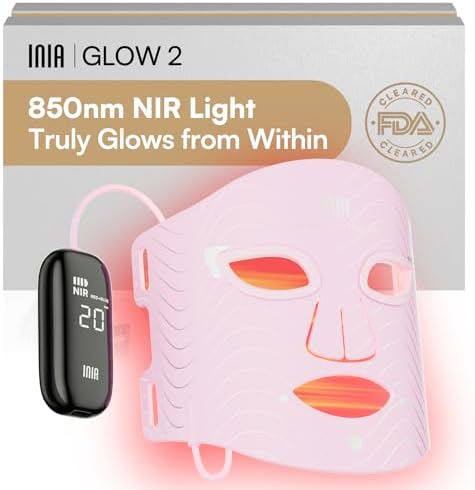
If you're considering the INIA Red Light Therapy Mask, you're entering the world of at-home LED skincare—a category that promises non-invasive rejuvenation but varies widely in quality and effectiveness. This specific mask offers 4 light modes (red, blue, NIR at 850nm, and combo) with a 2600mAh rechargeable battery, making it a portable option for targeting fine lines, acne, and skin radiance. Before buying, understand that wavelengths and power density matter more than flashy features.
Key Considerations Before Buying
- Wavelength precision: The INIA mask includes 850nm near-infrared (NIR), which penetrates deeper than standard red light (630-660nm) to support collagen production and tissue repair—ensure your device lists specific nm values, not just 'red light'.
- Light mode versatility: With separate red (anti-aging), blue (acne-fighting), and NIR (deep healing) modes, this mask lets you customize treatments; check if you need a targeted approach or just general glow, as cycling modes may extend session time.
- Battery life and ergonomics: The 2600mAh battery offers cordless use for up to 30 minutes per charge, but consider your face shape and comfort—silicone or flexible masks like this one should fit snugly to avoid light leakage and ensure even coverage.
What Our Analysts Recommend
Quality LED masks should specify irradiance (mW/cm²) and treatment distance—higher irradiance (e.g., 30-50 mW/cm²) means shorter sessions. Look for FDA registration or CE marking for safety, and check that the mask covers key zones (forehead, cheeks, jawline). Also, verify that the LEDs are evenly spaced and the mask has a timer or auto-off feature to prevent overexposure.
Masks Market Context
Market Overview
The at-home LED therapy mask market has exploded, with dozens of brands offering devices from $50 to $500. Most claim anti-aging and acne benefits, but clinical-grade results require consistent use (3-5 times weekly) and adequate power. The INIA mask sits in the mid-range, competing with names like Dr. Dennis Gross and CurrentBody, but at a lower price point.
Common Issues
A major concern in this category is underpowered LEDs—many masks advertise 'red light' but deliver less than 10 mW/cm², making them ineffective. Skin sensitivity to blue light (especially for darker skin tones) and battery degradation over time are also frequent complaints. Additionally, masks that don't fit well can cause discomfort or uneven treatment.
Quality Indicators
High-quality LED masks use medical-grade silicone or flexible materials, have multiple wavelength options (e.g., 630nm, 660nm, 850nm), and provide clear irradiance specs. Look for masks with at least 100 LEDs, a rechargeable battery with USB-C, and a warranty of 1 year or more. User reviews mentioning specific skin improvements (e.g., 'reduced fine lines in 4 weeks') are stronger signals than vague praise.
Review Authenticity Insights
Grade B Interpretation
The INIA mask earns a Grade B with an estimated 10% fake review rate, which is relatively low for this category. This suggests the 4.89 rating is inflated but not dramatically—most of the 1,100 reviews are likely genuine. The 10% fake rate likely comes from incentivized or overly generic 5-star reviews, but the core feedback is trustworthy.
Trust Recommendation
Given the Grade B, you can rely on the majority of reviews, but be cautious of any that lack specifics (e.g., 'great product, works fast'). Focus on reviews with verified purchase badges and those that mention exactly which light mode they used and for how long. The adjusted rating of 4.60/5 is a more realistic benchmark for user satisfaction.
Tips for Reading Reviews
When reading reviews for LED masks, look for users who describe consistent use over 4-8 weeks and note specific changes (e.g., 'reduced acne breakouts' or 'brighter skin tone'). Be skeptical of reviews that claim instant results or are overly promotional. Also, check for complaints about battery life or fit, which are common pain points in this category.
Expert Perspective
The INIA Red Light Therapy Mask appears to be a solid entry in the at-home LED market, offering a useful combination of 850nm NIR for deeper tissue repair and customizable modes for different skin concerns. Its high user rating, even after adjusting for fakes, indicates strong satisfaction with results like improved skin texture and reduced inflammation. However, the lack of published irradiance specs means you're trusting user reports over hard data, which is a minor risk. For the price, it's a competitive option if you're willing to commit to a regular routine.
Purchase Considerations
Weigh the mask's versatility (4 modes) against your specific needs—if you primarily want anti-aging, the red+NIR combo is ideal; for acne, the blue mode is a bonus. Consider the battery life: 30 minutes per charge may require daily recharging if you use it for full sessions. Also, ensure your skin type tolerates blue light (some users report irritation) and that the mask fits your face comfortably to avoid light gaps.
Comparing Alternatives
Shoppers should compare the INIA mask with similar devices like the Dr. Dennis Gross SpectraLite FaceWare Pro (higher cost, more LEDs) or the Hooga Red Light Face Mask (lower cost, fewer modes). Each has trade-offs in wavelength options and build quality, so align your choice with your budget and treatment goals.