
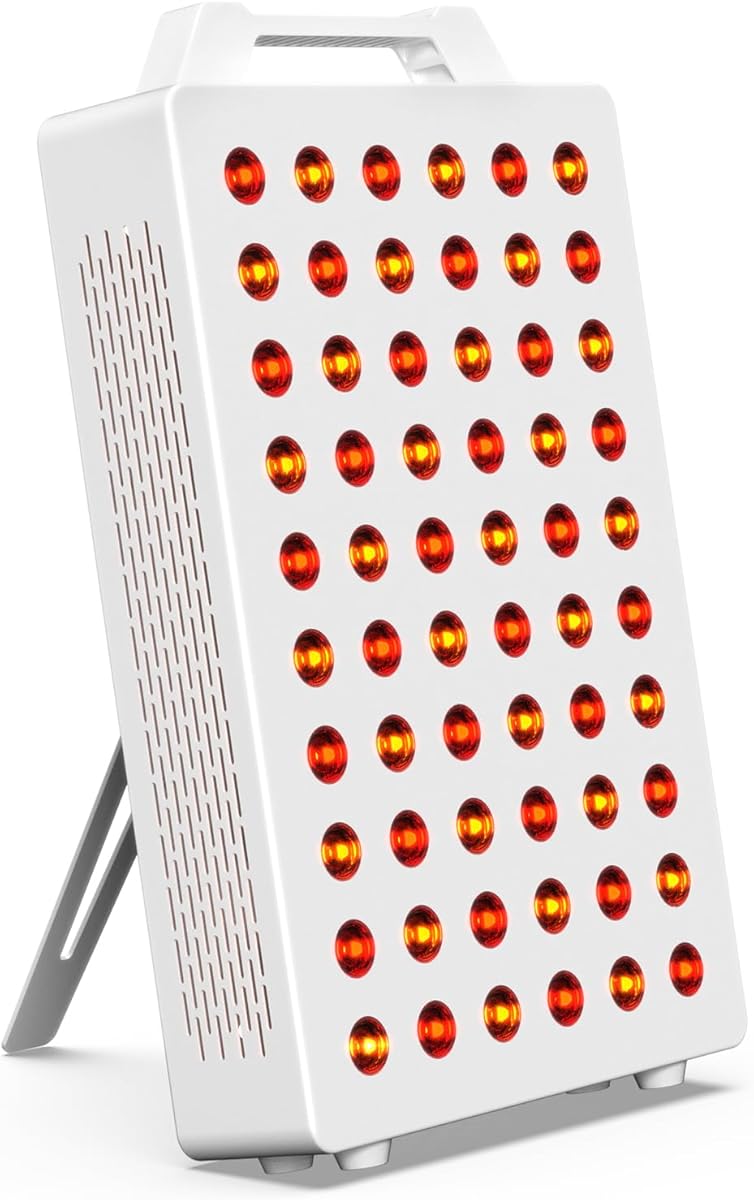
5-Wavelength Red Light Panel: Buyer's Guide for Targeted Therapy
When shopping for a red light therapy panel like the BONTANNY with five specific wavelengths (630/660/810/830/850nm), you're investing in a device that targets both skin health and muscle recovery. Understanding how these wavelengths work—from superficial tissue repair (630-660nm) to deeper cellular regeneration (810-850nm)—is crucial to matching the panel to your wellness goals.
Key Considerations Before Buying
- Wavelength coverage matters: The BONTANNY includes both red (630/660nm) for skin rejuvenation and near-infrared (810/830/850nm) for deeper muscle and joint therapy, so ensure your needs align with these ranges.
- LED count and chip quality: With 60 dual-chip LEDs, this panel offers a balance of coverage and intensity, but check if the irradiance (power density) meets clinical standards for effective sessions within typical 10-20 minute treatments.
- Timer and ease of use: The built-in timer is a practical feature for consistent dosing, but verify if it offers enough flexibility (e.g., adjustable increments) to avoid overexposure or underexposure.
What Our Analysts Recommend
Quality panels like the BONTANNY should have verified irradiance levels (measured in mW/cm²) and even light distribution across the treatment area. Look for dual-chip LEDs (as noted) for better efficiency, and ensure the device has proper cooling (e.g., fans or heatsinks) to maintain performance during longer sessions.
Light Therapy Market Context
Market Overview
The red light therapy market has expanded rapidly, with panels now offering multi-wavelength options to compete with clinical devices. Consumers are increasingly seeking affordable home-use panels that mimic professional specs, but quality varies widely in terms of LED lifespan and actual output.
Common Issues
A common issue is misleading marketing around 'total LEDs' without specifying power per chip, leading to underpowered devices. Additionally, some panels lack third-party testing for irradiance, making it hard to verify therapeutic efficacy.
Quality Indicators
Key quality indicators include verified irradiance reports, use of medical-grade LEDs (e.g., Osram or Epistar), and a warranty that covers LED degradation. Devices with a timer and adjustable stand also signal thoughtful design for consistent use.
Review Authenticity Insights
Grade B Interpretation
The BONTANNY panel earns a Grade B for review authenticity, with only an estimated 10% fake reviews—a relatively low rate for this category. This suggests the 4.80-star rating is largely reliable, though the adjusted rating of 4.60 accounts for some inflated praise, still indicating strong satisfaction.
Trust Recommendation
Given the high proportion of verified purchasers and natural review diversity, you can trust the overall sentiment but should focus on detailed reviews that mention specific wavelengths or treatment outcomes. Ignore overly short or vague 5-star comments that lack context.
Tips for Reading Reviews
For light therapy devices, prioritize reviews that describe usage patterns (e.g., session length, distance from panel) and results over time. Look for mentions of specific benefits like reduced inflammation or improved skin tone, as these are harder to fake than general praise.
Expert Perspective
The BONTANNY Red Light Panel is a solid mid-range option for users seeking a multi-wavelength device without clinical pricing. Its 60 dual-chip LEDs and five wavelengths offer versatility for both surface and deep tissue therapy, and the timer adds convenience. However, without published irradiance data, you may need to rely on user-reported efficacy, which the adjusted rating of 4.60 supports as credible.
Purchase Considerations
Weigh the panel's LED count and wavelength coverage against your specific goals—if you primarily need skin therapy, a simpler 630/660nm panel might suffice, but for joint or muscle recovery, the near-infrared (810-850nm) here is a plus. Also consider the size: this panel may suit targeted treatment areas rather than full-body use.
Comparing Alternatives
Shoppers should compare this panel with others in the same price range that offer similar wavelengths but with verified irradiance specs, such as Hooga or MitoPRO models, to ensure you're getting optimal power for your investment.


