Choosing a Bluetooth Pulse Oximeter: Key Features Beyond Basic Readings
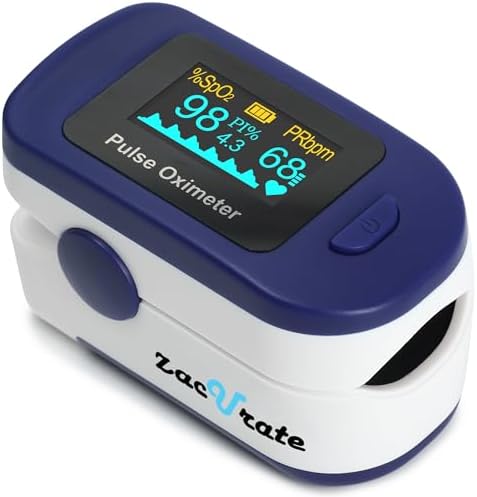
When evaluating the Zacurate 500B-B, buyers should understand that wireless fingertip oximeters represent a significant evolution from basic clip-on models. This specific device adds Bluetooth connectivity, app integration, and advanced metrics like perfusion index—features that transform simple spot-checking into trend tracking. Unlike traditional oximeters, this model requires considering both hardware accuracy and software usability.
Key Considerations Before Buying
- Bluetooth connectivity quality directly impacts data reliability; inconsistent pairing or app disconnections can undermine the device's primary advantage of continuous monitoring.
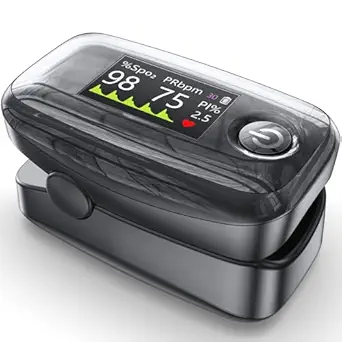
- Perfusion index (PI) measurement, featured on this model, provides crucial context about blood flow quality at the measurement site, helping distinguish between accurate readings and poor signal conditions.
- App functionality matters as much as hardware; the free companion app should offer intuitive data visualization, export options, and reliable syncing to justify the wireless premium.
- Battery life versus usage patterns requires attention since wireless operation and Bluetooth transmission consume more power than basic models, affecting long-term convenience.
What Our Analysts Recommend
Quality indicators for devices like the Zacurate 500B-B include consistent Bluetooth handshake times under 5 seconds, stable plethysmograph waveforms in the app display, and clear perfusion index documentation. The sensor should maintain readings during slight finger movement, as rigid positioning requirements suggest inferior optical components. Look for reviews mentioning specific app features rather than just general praise.
Pulse Oximeters Market Context
Market Overview
The pulse oximeter market has bifurcated into basic sub-$30 clip models and premium Bluetooth-enabled devices like the Zacurate 500B-B that command $40-$60 price points. Post-pandemic demand has shifted from emergency preparedness toward chronic condition management, driving interest in data-tracking capabilities. Wireless models now compete on app ecosystems as much as sensor accuracy.
Common Issues
Bluetooth oximeters frequently suffer from app abandonment—where manufacturers stop updating software, leaving devices stranded on obsolete platforms. Another prevalent issue is 'motion artifact' sensitivity, where finger movement generates false readings despite claims of advanced algorithms. Many users report confusion about perfusion index interpretation, with manufacturers providing inadequate educational resources.
Quality Indicators
Superior Bluetooth oximeters demonstrate consistent performance across different smartphone generations and operating systems. Genuine quality devices maintain accuracy at lower perfusion levels (below 1.0% PI), while budget models fail in poor circulation scenarios. Look for FDA-cleared (not just FDA-registered) devices if medical-grade accuracy is required, though most consumer models like this Zacurate operate under general wellness claims.
Review Authenticity Insights
Grade B Interpretation
The Grade B authenticity rating with 11% estimated fake reviews indicates generally reliable feedback but warrants careful scrutiny of 5-star reviews. This fake rate is moderate for health monitoring devices, where some brands aggressively solicit positive reviews. The 0.29-point drop from the displayed 4.89 to adjusted 4.60 suggests review manipulation primarily affects the highest ratings.
Trust Recommendation
Focus on verified purchase reviews that mention specific use cases like sleep apnea monitoring or post-COVID recovery rather than generic praise. Be particularly skeptical of reviews emphasizing 'fast shipping' or 'great customer service' without detailing device performance—these are common hallmarks of incentivized reviews. The high number of reviews (1,571) provides sufficient authentic data to identify genuine patterns.
Tips for Reading Reviews
Prioritize reviews discussing actual app screenshots, Bluetooth reconnection experiences, or battery life specifics over vague statements about 'accuracy.' Look for mentions of using the perfusion index to validate readings—this indicates sophisticated users. Compare experiences across different smartphone platforms (iOS vs. Android), as Bluetooth performance often varies significantly between ecosystems.
Expert Perspective
The Zacurate 500B-B represents a compelling mid-tier option in the Bluetooth oximeter category, balancing advanced features with consumer accessibility. Its strong adjusted rating of 4.60/5 from authentic reviews suggests reliable performance despite some review manipulation concerns. The inclusion of plethysmograph and perfusion index displays elevates it above basic data-logging models, providing clinical context typically found in professional-grade units. However, its value proposition depends heavily on the companion app's long-term support and update frequency.
Purchase Considerations
Buyers should weigh whether they truly need Bluetooth connectivity or would be better served by a simpler, more reliable wired model. Those managing chronic respiratory conditions will benefit most from the trend-tracking capabilities, while occasional users might find the app setup cumbersome. Consider your smartphone compatibility—older devices may experience connectivity issues that undermine the wireless advantage.
Comparing Alternatives
Shoppers should compare the Zacurate's app functionality against competitors like Wellue or Viatom, particularly regarding data export formats and cloud backup options.