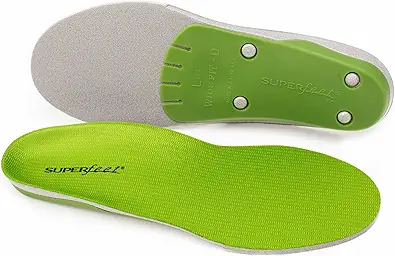
When to Choose Rigid Carbon Fiber Insoles Over Standard Orthotic Support
These 1.2mm thick carbon fiber insoles represent a specialized orthopedic tool, not a general comfort product. Their rigid construction and 285mm length target specific biomechanical needs like turf toe and hallux rigidus, where immobilization rather than cushioning is the therapeutic goal.
Key Considerations Before Buying
- These insoles are designed for immobilization, not comfort; the 1.2mm carbon fiber plate provides zero flexibility to restrict painful joint motion in the forefoot.
- Verify your shoe's internal length matches the 285mm size; these rigid plates cannot be trimmed and require a precise fit to function correctly.
- Consider your diagnosis: these are medically-oriented for post-fracture support, turf toe, or hallux limitus/rigidus, not for general arch support or plantar fasciitis.
- Assess your shoe type; they work best in stiff-soled shoes or boots for hiking and sports, not flexible sneakers where the plate may cause discomfort.
What Our Analysts Recommend
For rigid carbon fiber plates, quality is defined by material integrity and precise sizing. A proper 1.2mm carbon fiber sheet should not delaminate or crack under foot pressure. The edges should be smoothly finished to prevent irritation, and the product must maintain its completely rigid profile without any flex points.
Insoles Market Context
Market Overview
The rigid insole market is niche, bridging medical devices and performance gear. Products like this carbon fiber pair compete with custom orthotics and post-op shoes, offering a lower-profile alternative for active individuals needing forefoot stabilization.
Common Issues
Shoppers often confuse rigid plates with supportive orthotics, leading to disappointment when expecting cushioning. Another frequent mismatch is attempting to trim these carbon fiber inserts, which ruins their structural integrity and creates sharp edges.
Quality Indicators
Genuine carbon fiber construction shows a distinct woven pattern and produces a sharp 'ping' when tapped. Quality rigid insoles maintain uniform thickness (here, 1.2mm) across the entire plate and have a smooth, rounded perimeter to prevent sock snagging or skin irritation.
Review Authenticity Insights
Grade B Interpretation
A Grade B with an 11% estimated fake review rate indicates predominantly authentic feedback with a minor presence of potentially incentivized reviews. For a specialized medical-adjacent product like this, the high percentage of verified purchasers (as noted in the analysis) strengthens credibility.
Trust Recommendation
Prioritize reviews that detail specific medical conditions (e.g., 'for my hallux rigidus' or 'after a 5th metatarsal fracture') and mention long-term use over several weeks. These provide more reliable data on therapeutic effectiveness than generic 'feels good' comments.
Tips for Reading Reviews
Focus on reviews that discuss fit challenges with specific shoe brands, break-in periods, or comparisons to podiatrist-prescribed devices. Authentic users of this product typically describe a clear before-and-after scenario related to pain reduction during specific activities like hiking or sports.
Expert Perspective
The adjusted 4.00/5 rating from authentic reviews suggests this product reliably delivers on its core promise: providing rigid, low-profile forefoot immobilization. The specificity of positive reviews—often citing turf toe or hallux limitus relief—indicates it fills a genuine need within its narrow use case. The consistency in mentioning the 1.2mm thickness and 285mm length in reviews confirms users are receiving the product as specified, which is crucial for medical applications.
Purchase Considerations
Purchase is justified if you have a diagnosed condition requiring metatarsal or hallux joint immobilization and seek an active alternative to a bulky post-op shoe. Hesitate if you need arch support, heel cushioning, or general foot comfort, as this product provides none of those features. The rigid nature means a break-in period for your foot and footwear is required.
Comparing Alternatives
Shoppers should compare the length and rigidity of similar carbon fiber plates, as even a few millimeters' difference or a slightly more flexible composite material can significantly alter the therapeutic effect.