
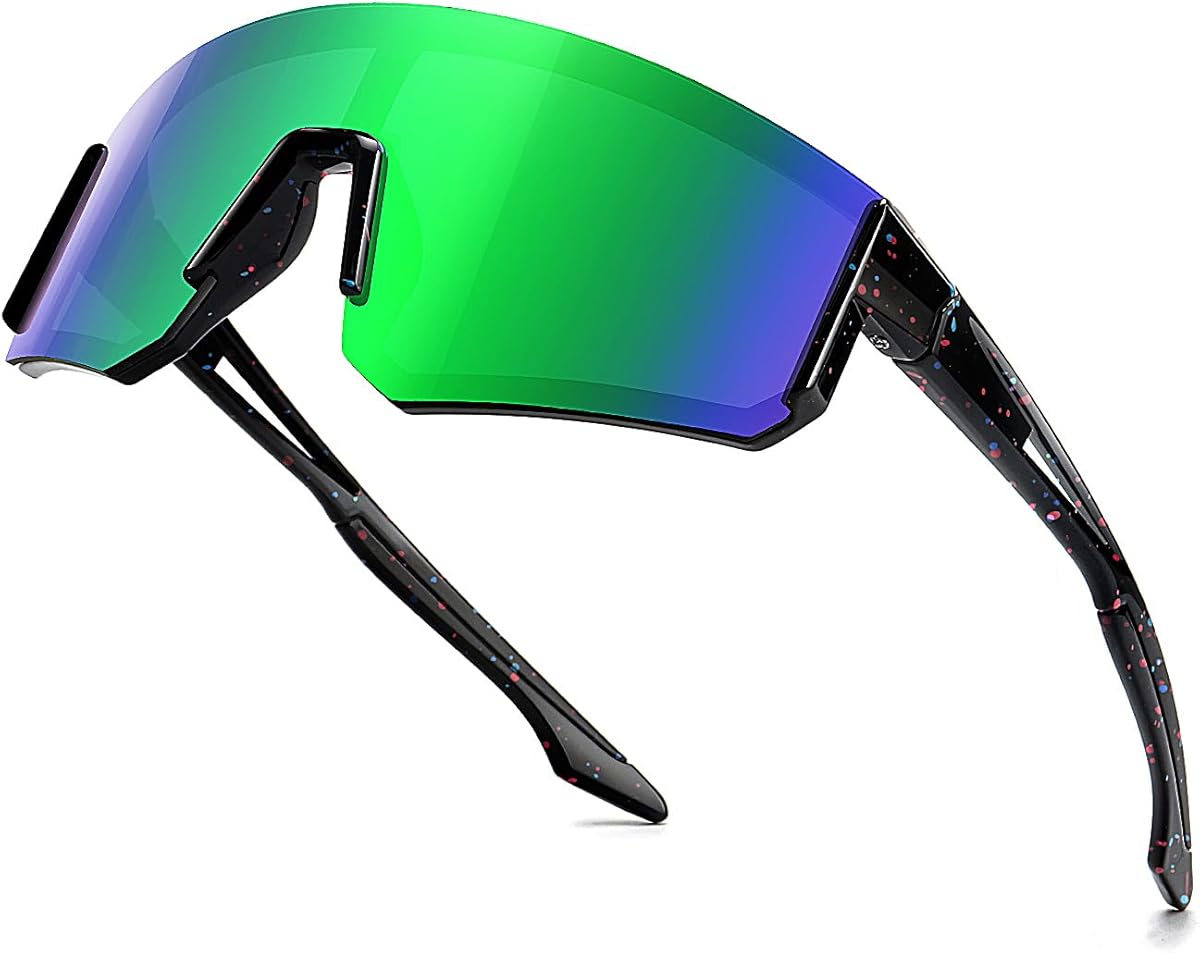
Choosing Youth Sports Sunglasses: Fit, Protection, and Durability Essentials
When selecting youth baseball and softball sunglasses, focus on products designed specifically for children's facial structures and high-impact sports. These sunglasses must balance UV protection with impact resistance while accommodating narrower nose bridges and smaller head sizes typical of ages 6-12. The lightweight frame mentioned in this product's title indicates a priority for comfort during extended wear.
Key Considerations Before Buying
- For baseball and softball, prioritize polycarbonate lenses with 100% UV protection and shatter resistance, as balls can reach high velocities and create dangerous impact scenarios.
- Look for adjustable nose pads and temple tips that can be customized to fit children's varying facial structures, preventing slippage during running and sudden movements.
- Consider lens tint specifically for diamond sports—amber or brown tints enhance contrast against blue skies, helping young players track fly balls more effectively.
What Our Analysts Recommend
Examine the hinge construction—metal spring hinges typically outlast plastic ones for active youth sports. Check for ventilation channels to prevent fogging during intense activity, and verify the frame material flexibility; it should withstand bending without breaking when accidentally sat on or packed in equipment bags.
Sports Sunglasses Market Context
Market Overview
The youth sports sunglasses market has expanded significantly with specialized products for baseball/softball, cycling, and multi-sport use, moving beyond scaled-down adult models. Current offerings increasingly feature age-specific ergonomics and sport-optimized lens technologies at accessible price points.
Common Issues
Many youth sports sunglasses fail at the nose bridge area, where pressure concentrates during active wear, or have lenses that scratch easily from contact with dirt and equipment. Poor ventilation causing lens fogging during exertion remains a frequent complaint across lower-priced options.
Quality Indicators
Quality youth sports sunglasses feature impact-resistant polycarbonate lenses meeting ANSI Z87.1 safety standards, flexible yet durable TR90 or Grilamid frames, and silicone nose/temple grips that maintain adhesion even when sweaty. Look for products specifying 'youth' or 'junior' sizing rather than generic 'kids' classifications.
Review Authenticity Insights
Grade B Interpretation
The Grade B authenticity rating with 15% estimated fake reviews suggests generally reliable feedback but warrants careful review scrutiny. This indicates most reviews reflect genuine experiences, though some may be incentivized or artificially positive.
Trust Recommendation
Focus on verified purchase reviews that mention specific sports contexts like 'baseball practice' or 'cycling trails,' and prioritize reviews discussing durability over time rather than just initial impressions. The adjusted 4.50/5 rating excluding suspicious reviews provides a more realistic quality assessment.
Tips for Reading Reviews
Look for reviews mentioning how the sunglasses performed after multiple weeks of sports use, particularly regarding lens scratching, hinge durability, and fit during active movement. Reviews with photos showing the sunglasses actually being worn during sports activities typically indicate genuine experiences.
Expert Perspective
With a strong adjusted rating of 4.50/5 from verified purchases and Grade B authenticity, these sunglasses appear to deliver solid performance for youth sports applications. The high rating suggests they successfully address key needs: proper fit for children's faces, adequate protection for baseball/softball, and durability for active use. The lightweight frame specification indicates attention to comfort, which is critical for young athletes who might otherwise resist wearing eye protection.
Purchase Considerations
Weigh the product's specific design features against your child's primary sports—baseball/softball demands different lens characteristics than cycling. Consider whether the sizing range (age 6-12) will accommodate your child's specific facial measurements, as children's growth patterns vary significantly within this age bracket.
Comparing Alternatives
Compare these with other youth-specific sports sunglasses that specify impact ratings and include replacement lens options, as children's sunglasses frequently need lens replacements due to scratches from field conditions.


