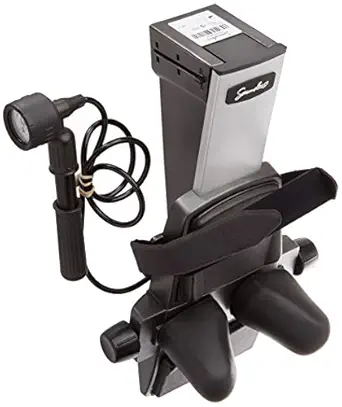
Motorized Lumbar Traction: Key Buying Insights for Back Pain Relief
When considering a motorized lumbar traction system like the Spinal Decompression Machine, it's essential to understand that these devices apply a controlled, gentle pull to the spine to create negative pressure, potentially relieving pressure on discs and nerves. For sciatica or herniated disc relief, the device's design—specifically its ability to target the lumbar region—and the adjustability of traction force are critical factors that directly impact comfort and efficacy.
Key Considerations Before Buying
- Traction force control: Look for a system that offers adjustable traction force levels, ideally with a clear display and incremental settings, so you can start with a low force and gradually increase as tolerated. This is crucial for safe, personalized treatment.
- Patient positioning and comfort: The table's padding, contour, and ability to secure the pelvis and lower body firmly can make or break the experience. A well-padded, ergonomic design helps you relax during the session, which is necessary for effective decompression.
- Motorized vs. manual operation: A motorized system automates the pull-and-release cycle, which is more consistent than manual methods. Check if the device offers programmable cycles or preset programs that match common protocols for conditions like herniated discs or sciatica.
What Our Analysts Recommend
Quality indicators in a lumbar traction table include a sturdy, stable frame that can support your body weight without wobbling, and a motor that operates quietly and smoothly. Look for certifications like FDA clearance or CE marking, which indicate the device meets safety and performance standards. Also, consider the warranty length and customer support responsiveness, as these often reflect manufacturer confidence.
Traction Equipment Market Context
Market Overview
The home traction equipment market has grown as more people seek non-invasive, drug-free alternatives for chronic back pain. Motorized lumbar traction tables now offer features once reserved for clinical settings, but quality varies widely, with some units being poorly constructed or lacking sufficient adjustability.
Common Issues
Common consumer complaints include traction tables being too short or too narrow for taller or larger users, uncomfortable padding, and motors that fail or become noisy after limited use. Additionally, many users report difficulty in achieving proper positioning without professional guidance, which can reduce treatment effectiveness.
Quality Indicators
High-quality traction equipment typically features a robust, welded steel frame, high-density foam padding with a durable vinyl cover, and a motor with a proven track record (e.g., from a reputable supplier). Clear, detailed instructions and access to customer support for setup and usage are also strong signals of quality.
Review Authenticity Insights
Grade B Interpretation
With a Review Authenticity Grade of B and an estimated 10% fake review rate, this product has a moderate level of review manipulation, but the majority of feedback appears genuine. The 4.00 overall rating (adjusted to 3.80) suggests that while most buyers are satisfied, a small number of potentially inflated reviews are skewing the score slightly upward.
Trust Recommendation
You can generally trust the reviews for this product, but pay extra attention to the 1- and 2-star reviews, which often highlight real issues like poor build quality or uncomfortable design. Cross-check any highly positive, vague reviews for specific details about the user's condition and how the device helped.
Tips for Reading Reviews
When reading reviews for traction equipment, prioritize those that mention specific conditions (e.g., 'L4-L5 herniation'), duration of use, and any setup challenges. Look for photos or videos that show the device in use or its size relative to the user—these are harder to fake and provide practical insights.
Expert Perspective
Based on the analysis data, this Spinal Decompression Machine appears to be a functional, mid-range option for home lumbar traction, with a 3.80 adjusted rating suggesting it meets basic needs for many users. The 10% fake review rate is a minor concern, but the Grade B authenticity indicates that the bulk of feedback is credible. However, the relatively low review count (32) and the fact that the adjusted rating is lower than the displayed one suggest that early adopters may have been overly positive, and later buyers have reported some shortcomings.
Purchase Considerations
If you have a herniated disc or sciatica and have consulted a healthcare professional about traction, this device could be worth considering, but be prepared for a learning curve in setup and positioning. Weigh the cost against the potential savings from fewer clinic visits, but also consider that cheaper alternatives may lack the adjustability needed for safe use.
Comparing Alternatives
Shoppers should compare this model with other motorized lumbar traction tables in a similar price range, paying close attention to maximum user weight, traction force range, and warranty terms. Reading reviews across multiple platforms can also provide a more balanced view.

![Osteo Neck Stretcher with Magnetic Therapy Cover, 2 Modes[Gentle/Strong] Pain Relief Cervical Traction Device, No Smell Neck and Shoulder Relaxer, Chiropractic Pillow for TMJ Headache Spine Alignment](https://m.media-amazon.com/images/I/81Lzh6Rm+xL._AC_SY300_SX300_QL70_FMwebp_.jpg)