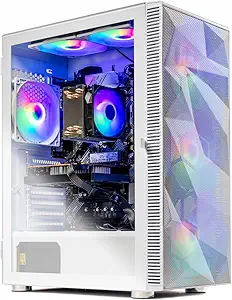
Buying a Pre-Built Gaming PC? Here’s What to Check First
When shopping for a gaming desktop like the STGAubron with an Intel Core i7 and GTX 1660 Super, you're looking at a system that can handle 1080p gaming and multitasking. But with a low 2.67-star rating from 26 reviews, it's clear that specs alone don't tell the full story—reliability and build quality matter just as much.
Key Considerations Before Buying
- Check the GPU's performance for your target games: The GTX 1660 Super is solid for esports titles like Fortnite and Overwatch at high settings, but may struggle with modern AAA games at 1440p. Ensure it matches your gaming expectations.
- Verify RAM and storage speed: 32GB of RAM is overkill for most gamers, but 1TB SSD offers fast load times. However, low-cost SSDs can bottleneck performance, so look for NVMe drives if possible.
- Inspect cooling and airflow: Four RGB fans suggest decent cooling, but the case design and fan placement can impact thermal performance. Poor airflow can throttle the CPU and GPU during extended gaming sessions.
What Our Analysts Recommend
Quality indicators for pre-built gaming PCs include reliable power supplies (80+ Gold rated), branded motherboards (e.g., ASUS, MSI), and clear warranty policies. Also, check for easy upgrade paths—like accessible RAM slots and extra storage bays—since gaming needs evolve.
Towers Market Context
Market Overview
The pre-built gaming PC market is crowded with options from boutique builders and mass-market brands, often targeting entry-to-mid-level gamers. Systems with older GPUs like the GTX 1660 Super are common, but buyers increasingly expect ray tracing and higher frame rates from newer cards like the RTX 3060.
Common Issues
Common problems in this category include mismatched components (e.g., slow RAM pairing with a fast CPU), inadequate power supplies causing instability, and poor thermal design leading to overheating. Many buyers also report software bloatware or Windows 11 driver conflicts.
Quality Indicators
High-quality pre-builts use standardized parts from reputable brands, offer transparent spec sheets (including motherboard and PSU models), and have positive reviews focused on long-term reliability. Look for systems with at least a 1-year warranty and responsive customer support.
Review Authenticity Insights
Grade B Interpretation
With a Grade B and an estimated 10% fake review rate, this product has a moderate level of review authenticity. Most feedback appears genuine, but a small portion may be unreliable—likely inflated positive ratings that don't reflect real experiences.
Trust Recommendation
Given the low average rating (2.50 adjusted), you should take the positive reviews with caution and focus on the detailed negative ones. They often highlight specific issues like DOA units, poor build quality, or misleading performance claims, which are critical for your decision.
Tips for Reading Reviews
For gaming PCs, prioritize reviews that mention specific games tested, temperatures during gameplay, and any early failures. Ignore reviews that only praise 'fast shipping' or 'looks great' without technical details—they're likely less trustworthy.
Expert Perspective
The STGAubron Gaming PC offers compelling specs on paper—Core i7, GTX 1660 Super, 32GB RAM, 1TB SSD—but the 2.67-star rating suggests significant execution problems. The 10% fake review rate and Grade B authenticity indicate that while most reviews are real, the product consistently fails to meet expectations. This is a classic case of a system that looks great in a listing but may suffer from poor component selection or assembly quality.
Purchase Considerations
Weigh the low price point against the risk of receiving a unit with issues like faulty RAM or a noisy PSU. If you're comfortable troubleshooting or returning a defective unit, it could be a budget option, but for most buyers, the savings aren't worth the headache.
Comparing Alternatives
Compare this system with similarly priced builds from brands like Skytech or iBuyPower, which often have better reliability ratings and more transparent component lists.