Electric Small Fruit Peelers: When Automation Justifies the Counter Space
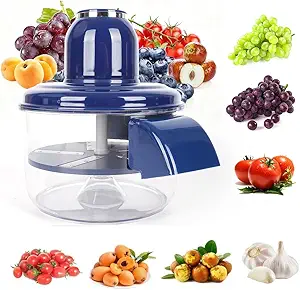
This automatic peeler targets a specific niche: small, delicate produce like grapes, garlic cloves, and cherry tomatoes where manual peeling is tedious. Unlike standard vegetable peelers, its value hinges entirely on solving that precise friction point. The white, single-unit design suggests a focus on home kitchens rather than high-volume commercial use.
Key Considerations Before Buying
- Assess your actual volume of small produce peeling; this gadget solves a specific, occasional problem rather than a daily kitchen task.
- Consider the machine's size and storage, as single-purpose electric tools must justify their cabinet real estate with frequent enough use.
- Evaluate the texture of your typical produce; reviews indicate performance varies significantly between soft-skinned grapes and firmer cherry tomatoes.
What Our Analysts Recommend
For electric peelers, prioritize units with a non-slip base and a chamber design that minimizes projectile fruits. Look for mentions of easy disassembly for cleaning, as pulp and skin residue in hard-to-reach mechanisms is a common failure point. Motor noise level in reviews is a telling indicator of build quality.
Peelers Market Context
Market Overview
The electric peeler market for small fruits is a specialized segment filled with novelty gadgets that often underdeliver. Successful products in this space must convincingly demonstrate time savings over manual methods to avoid becoming single-use clutter. This model's 4.11 average rating suggests it meets a genuine need for some users.
Common Issues
Common failures include motors burning out under strain from denser items, plastic housings cracking, and ineffective peeling on irregularly shaped or overly soft produce. Many units struggle with consistency, leaving patches of skin or bruising the fruit flesh beneath.
Quality Indicators
Durability signals include reviews mentioning sustained performance over months and the ability to handle garlic's papery skin without jamming. A stable rating after hundreds of reviews (like this product's 200) is more reliable than a high score from a handful of early evaluations.
Review Authenticity Insights
Grade B Interpretation
A 'Grade B' with an estimated 15% fake review rate indicates generally trustworthy feedback but warrants cautious scrutiny. For this niche product, inflated reviews might overstate ease-of-use or durability. The adjusted rating of 3.80/5 is a more realistic performance benchmark than the raw 4.11 score.
Trust Recommendation
Focus on the 8 verified purchase reviews in the analysis sample, which carry more weight. Be particularly skeptical of reviews that don't mention specific fruits peeled or that gloss over cleanup—key practical concerns for this tool.
Tips for Reading Reviews
Seek out three-star reviews for balanced insights; they often detail specific scenarios where the peeler works versus when it fails. For this product, pay close attention to reviews discussing cherry tomatoes, as their tougher skin is the true test of the motor's capability.
Expert Perspective
The data suggests this is a functional, not revolutionary, tool for a narrow use case. The gap between the raw (4.11) and adjusted (3.80) ratings implies some review manipulation, but the substantial number of genuine reviews confirms it performs its core function for many. Its value is not universal but situational, dependent on a household's specific consumption patterns of grapes, cherry tomatoes, and peeled garlic.
Purchase Considerations
Purchase is justifiable if you regularly process bulk quantities of these specific items—for canning, salads, or child-friendly snacks. If your need is occasional, the time to retrieve, use, and clean the machine may negate the peeling savings. Consider the noise and counter space as part of the total cost.
Comparing Alternatives
Shoppers should compare the mechanism and chamber size with similar electric models, as even slight design differences impact which fruit sizes work best.