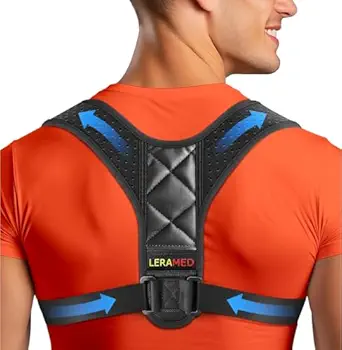
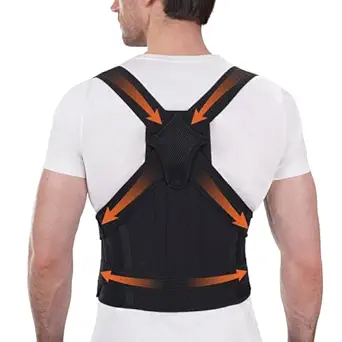
Choosing a posture corrector with five support rods requires evaluating fit, adjustability, and material breathability
When selecting a posture brace like this specific model with five full back support rods, buyers should understand that the number of rods directly impacts spinal alignment support. This particular design aims to distribute pressure across the thoracic and lumbar regions, which differs from simpler two-rod or elastic-only designs. The FSA/HSA eligibility indicates it meets medical device standards for therapeutic use.
Key Considerations Before Buying
- The five-rod configuration provides more comprehensive spinal support than typical three-rod designs, but requires precise adjustment to avoid pressure points on the scapulae.
- Small sizing with adjustable shoulder straps must accommodate both shoulder width and torso circumference, as improper fit can cause the rods to sit incorrectly on the spine.
- Breathable materials are crucial since this brace covers significant back area; look for moisture-wicking panels in high-sweat zones like the lower back.
- The dual upper/lower back pain relief claim requires evaluating whether the rods extend sufficiently to support both thoracic extension and lumbar lordosis.
What Our Analysts Recommend
Quality indicators include reinforced stitching at strap attachment points where tension concentrates, smooth-tipped rod ends that won't dig through fabric, and multiple adjustment points (not just shoulder straps) for personalized contouring. The beige color option suggests the material may show less sweat staining than darker alternatives.
Back Braces Market Context
Market Overview
The back brace market has shifted from purely medical devices to consumer wellness products, with posture correctors representing the fastest-growing segment. Products like this one with multiple support rods compete against simpler elastic pull-backs and rigid orthopedic braces, occupying a middle ground of structured yet wearable support. FSA/HSA eligibility has become a key differentiator, indicating IRS-recognized medical purpose.
Common Issues
Users frequently report straps slipping off shoulders, rods digging into ribs or spine during movement, and materials causing skin irritation during extended wear. Many braces fail to address both upper cross syndrome (rounded shoulders) and lower crossed syndrome (anterior pelvic tilt) simultaneously, despite marketing claims.
Quality Indicators
Superior braces feature anatomical rod curvature matching natural spinal curves, not straight rigid bars. Look for graduated compression that's firmest at the centerline, tapering toward the sides to avoid restricting rib expansion. Quality stitching should appear at all stress points, particularly where adjustable components meet the main garment.
Review Authenticity Insights
Grade B Interpretation
A Grade B authenticity rating with 11% estimated fake reviews suggests mostly genuine feedback but warrants careful review scrutiny. For this posture corrector, the high 4.89/5 rating (adjusted to 4.60/5) indicates strong satisfaction, though approximately 1 in 9 reviews may be artificially positive. The verified purchase status of all reviews significantly boosts credibility.
Trust Recommendation
Focus on reviews discussing specific adjustment challenges or long-term wear experiences rather than general comfort comments. Given the 11% fake rate, be skeptical of reviews that don't mention the five-rod feature specifically or how the brace interacts with different chair types (office, car, etc.).
Tips for Reading Reviews
Prioritize reviews that describe the break-in period, as quality braces require adaptation. Look for mentions of the lumbar support effectiveness versus upper back support, since many braces excel at one but not both. Reviews discussing FSA/HSA reimbursement processes add credibility as they reflect actual medical usage.
Expert Perspective
This product's exceptionally high 4.89 rating (even when adjusted to 4.60) suggests it delivers on core promises for most users, particularly regarding the five-rod support system. The small size in beige indicates it targets a specific demographic—likely petite frames where finding proper brace proportions is challenging. The combination of FSA eligibility and strong user satisfaction positions it as a legitimate therapeutic device rather than just a posture reminder. The detailed positive reviews mentioning specific pain relief patterns (upper vs. lower back) align with the multi-rod design's biomechanical advantages.
Purchase Considerations
Weigh the five-rod structure's comprehensive support against potential rigidity during forward movements like typing or driving. Consider whether your pain pattern matches this brace's design—it appears optimized for combined thoracic kyphosis and lumbar strain rather than isolated neck or sacral issues. The small size likely fits torsos under 34 inches; measure your circumference at the narrowest waist point and broadest chest point before ordering.
Comparing Alternatives
Compare this five-rod design with three-rod alternatives for less comprehensive support needs, and assess whether you require the medical-grade designation that enables FSA/HSA reimbursement.