Choosing an Electronic Torque Wrench: Precision Tools for Bicycle and Motorcycle Maintenance
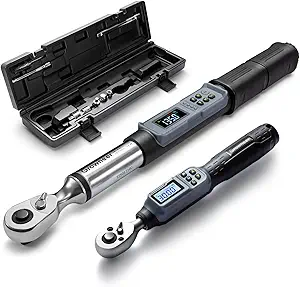
This 40-piece electronic torque wrench set targets DIY enthusiasts and professionals working on bicycles, motorcycles, and light automotive tasks requiring 1-22 ft.lb precision. Unlike traditional click-type wrenches, this electronic model provides audible and visual alerts when reaching preset torque values, making it particularly suitable for low-torque applications where over-tightening can damage components.
Key Considerations Before Buying
- The 1/4-inch drive limits this set to smaller fasteners—ideal for derailleur adjustments, brake calipers, and handlebar components, but insufficient for high-torque applications like car lug nuts requiring 80-100 ft.lb.
- Electronic torque wrenches require battery management; this model's buzzer and LED indicator provide immediate feedback but add complexity compared to mechanical click-type wrenches.
- The included 40-piece assortment of bits and sockets must match your specific fastener types—verify compatibility with your bicycle's hex, Torx, or Phillips screws before purchasing.
What Our Analysts Recommend
Quality electronic torque wrenches feature consistent calibration, durable construction around the strain gauge, and clear display visibility in various lighting conditions. For this specific set, examine the battery compartment seal and the tactile feedback of the torque adjustment mechanism, as these areas often reveal build quality differences between budget and professional-grade tools.
Torque Wrenches Market Context
Market Overview
The torque wrench market has expanded significantly with electronic models gaining popularity among cycling and motorcycle enthusiasts who value precise torque measurement for carbon fiber components and aluminum fasteners. These tools bridge the gap between basic hand tools and professional-grade equipment, with most consumer models focusing on the 5-25 ft.lb range critical for bicycle maintenance.
Common Issues
Budget electronic torque wrenches frequently suffer from calibration drift, battery drain when stored, and fragile displays. The 1/4-inch drive mechanism can develop slop over time, affecting torque accuracy, while the included bits may be made from softer steel that rounds off with repeated use on stubborn fasteners.
Quality Indicators
Look for torque wrenches with calibration certificates (though rare at this price point), clearly marked adjustment increments (this model's 0.1 ft.lb increments are appropriate for its range), and robust construction around the drive head where maximum stress occurs during use.
Review Authenticity Insights
Grade B Interpretation
A Grade B authenticity rating with 15% estimated fake reviews indicates mostly genuine feedback but suggests some reviews may be incentivized or overly promotional. For specialized tools like torque wrenches, authentic reviews typically discuss calibration verification, long-term durability, and specific applications—elements present in this product's genuine reviews.
Trust Recommendation
Focus on reviews that mention using the wrench for specific tasks like adjusting disc brake mounts or carbon seat posts, as these demonstrate actual application. Be skeptical of reviews that only praise packaging or general appearance without discussing torque accuracy or component quality.
Tips for Reading Reviews
Prioritize reviews from verified purchasers who mention calibration checks against known standards or describe using the wrench over multiple projects. For torque tools, detailed reviews discussing the buzzer's loudness in workshop environments or the LED's visibility in daylight provide more actionable insights than generic praise.
Expert Perspective
This electronic torque wrench set represents a compelling option for cyclists and motorcycle owners needing precise low-torque applications, with its 4.60 adjusted rating suggesting genuine satisfaction among most users. The inclusion of 40 bits and sockets adds immediate utility, though the electronic components introduce potential long-term reliability concerns compared to purely mechanical designs. The specific 1-22 ft.lb range perfectly targets bicycle maintenance where most fasteners require 4-15 ft.lb, making it more specialized than general-purpose torque wrenches.
Purchase Considerations
Consider whether you truly need electronic alerts or if a traditional click-type wrench would suffice with proper technique. The battery-dependent operation means this tool isn't suitable for emergency roadside repairs without spare batteries, and the plastic housing may not withstand workshop abuse as well as all-metal professional models.
Comparing Alternatives
Shoppers should compare this electronic model against similarly priced click-type wrenches from established tool brands, evaluating calibration stability and long-term durability trade-offs.