Choosing a Fermentation Kit: Key Features for Successful Vegetable Fermenting
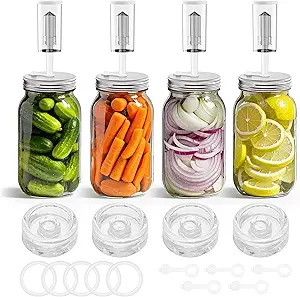
This specific Fermentation Kit with Mason Jar centers on simplifying the anaerobic fermentation process with specialized burping lids and a glass weight. Unlike basic airlock systems, this kit's design prioritizes user-friendly daily maintenance while preventing mold and kahm yeast contamination. Buyers should understand how its component integration affects fermentation success for vegetables like cabbage and cucumbers.
Key Considerations Before Buying
- The glass weight's size and shape must fully submerge vegetables beneath the brine in a standard mason jar to create an oxygen-free environment critical for lacto-fermentation.
- Burping lids require manual pressure release; assess if you prefer this hands-on approach versus a fully passive airlock system for longer ferments.
- Check lid material compatibility—silicone seals on plastic lids must be food-grade and durable against acidic brine to prevent failure mid-batch.
What Our Analysts Recommend
Quality fermentation kits feature heavy, seamless glass weights without mold-prone seams and lids with secure, airtight gaskets. For this product type, examine if the silicone burp valve allows easy CO2 release without letting air back in, a common failure point in cheaper designs. The jar should be standard mouth Ball or Kerr compatible to ensure proper weight fit.
Fermenters Market Context
Market Overview
The home fermentation market has expanded beyond crocks to mason jar kits, appealing to beginners seeking small-batch capability for kraut, kimchi, and pickles. Current offerings range from simple plastic lids with weights to integrated airlock systems, with this kit occupying a middle ground with its burping mechanism. Demand is driven by gut-health trends and DIY food preservation.
Common Issues
Poorly designed weights that tip or fail to keep produce submerged lead to surface mold and spoiled batches. Thin plastic lids can crack under pressure or warp from acidic brines, compromising the seal. Incomplete instructions about brine ratios and fermentation timing often leave beginners with inconsistent results.
Quality Indicators
Superior kits use annealed, dishwasher-safe glass weights with smooth edges and low-profile designs. High-grade silicone or EPDM gaskets in lids indicate better acid resistance. Look for kits that specify jar compatibility and include troubleshooting guides for common issues like cloudy brine or slow fermentation.
Review Authenticity Insights
Grade B Interpretation
A Grade B with 11% estimated fake reviews suggests generally reliable feedback, though shoppers should be slightly cautious of overly enthusiastic 5-star reviews. The adjusted 4.10 rating from 4.33 indicates some review inflation, but the core rating remains strong for this category.
Trust Recommendation
Focus on verified purchase reviews discussing specific use cases like sauerkraut or pickling cucumbers, as these provide the most actionable insights. Be skeptical of reviews lacking detail about fermentation duration or brine outcomes, which may be less authentic.
Tips for Reading Reviews
Prioritize reviews mentioning multiple batches or specific vegetables, as these demonstrate real usage. Look for comments about lid seal integrity over time and weight effectiveness with different produce sizes—these practical details often indicate genuine experience.
Expert Perspective
This kit's 4.10 adjusted rating from 34 reviews suggests it performs reliably for basic vegetable fermentation, with the burping lid system appealing to those who want to monitor fermentation progress daily. The inclusion of both weights and multiple lid types indicates a thoughtful starter set, though the manual burping requirement may not suit forgetful users. The B authenticity grade means most feedback appears genuine, with users particularly noting the glass weight's effectiveness in keeping vegetables submerged.
Purchase Considerations
Consider if you'll maintain daily burping routines for active ferments versus preferring a set-and-forget airlock system. Evaluate your typical batch size—this standard mason jar kit is ideal for 1-2 quart batches but may be inefficient for larger quantities. The glass weight is a significant advantage over plastic alternatives for long-term food contact.
Comparing Alternatives
Compare this burping lid system with fermentation kits featuring integrated waterless airlocks, which require less daily attention but may have different cleaning considerations.