Choosing a Rechargeable LED Flashlight: Brightness, Battery, and Build
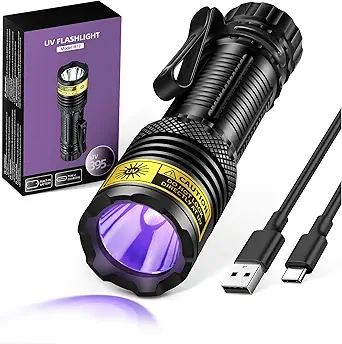
When shopping for a rechargeable LED flashlight like the AKNEAR High Lumens Super Bright model, you're balancing raw brightness with battery life, durability, and charging convenience. This guide covers what actually matters so you can match a light to your real-world needs—whether that's emergency preparedness, camping, or everyday carry.
Key Considerations Before Buying
- Lumen output and beam distance: Higher lumens mean a brighter light, but beam distance and flood vs. throw matter more for spotting objects far away or lighting a wide area. Look for stated lumen and beam distance specs rather than vague 'super bright' claims.
- Battery type and charging: Rechargeable flashlights typically use built-in lithium-ion cells or removable 18650 batteries. Consider whether you prefer USB-C charging, a removable battery for quick swaps, and how long the light runs on a single charge at different brightness levels.
- Build quality and water resistance: An IPX rating (e.g., IPX4 or higher) indicates water resistance, while aircraft-grade aluminum or impact-resistant plastic affects drop durability. For outdoor or emergency use, prioritize a metal body and at least IPX4 rating.
What Our Analysts Recommend
Check for multiple brightness modes (high, medium, low, strobe) and a memory function that recalls your last setting. A tail switch or side button should be easy to operate with gloves, and a pocket clip or holster adds carry convenience. Verified customer reviews often reveal real-world runtime and durability better than spec sheets.
Handheld Flashlights Market Context
Market Overview
The handheld flashlight market has shifted heavily toward rechargeable LED models, with consumers prioritizing convenience and long-term savings over disposable batteries. Brands like AKNEAR compete on brightness, build quality, and price, often offering features once reserved for premium tactical lights.
Common Issues
Common complaints in this category include exaggerated lumen claims, batteries that lose capacity quickly, and charging ports that fail or aren't waterproof. Some lights also overheat on high mode or have a strobe mode that's accidentally activated.
Quality Indicators
A quality rechargeable flashlight will have a regulated output (consistent brightness as battery drains), a low-voltage warning, and a solid warranty. Look for reviews that mention long-term reliability and customer service responsiveness, not just initial impressions.
Review Authenticity Insights
Grade A Interpretation
An authenticity grade of A with an estimated 5% fake reviews is excellent for this category, meaning the 4.78-star rating (4.70 adjusted) is highly trustworthy. The negligible manipulation suggests reviewers are largely genuine, so you can rely on their experiences when evaluating the AKNEAR flashlight.
Trust Recommendation
Given the strong authenticity, you can confidently use the review content to assess performance details like brightness, battery life, and durability. Focus on reviews that describe specific use cases and long-term testing rather than one-line praise.
Tips for Reading Reviews
Look for reviews that mention how the light performs after weeks or months, as these reveal battery degradation and build issues. Pay attention to comments about charging port durability and switch reliability, which are common failure points in rechargeable flashlights.
Expert Perspective
The AKNEAR Rechargeable LED Flashlight stands out with a 4.78-star rating from over 1,300 reviews and a high authenticity grade, indicating strong customer satisfaction. Its 'high lumens super bright' positioning suggests it targets users needing a powerful, rechargeable light for tasks like camping, emergencies, or inspections. With minimal fake review activity, the feedback likely reflects genuine performance across brightness, battery, and build quality.
Purchase Considerations
Before buying, consider whether you need a removable battery for extended trips, and check the claimed runtime on high mode against your typical use. Also verify the charging interface (USB-C vs. micro-USB) and whether the light includes a battery and cable.
Comparing Alternatives
Shoppers should compare this model with other rechargeable LED flashlights in the same price range, especially those from established brands with similar lumen ratings and battery types.