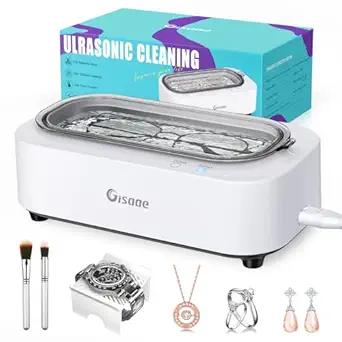
Choosing a 50KHz Ultrasonic Cleaner: Digital Timer and Stainless Steel Matter
This specific Professional Ultrasonic Jewelry Cleaner operates at 50KHz, a frequency ideal for delicate items without causing damage. The inclusion of a digital timer and a 304 stainless steel tank are critical features that separate it from basic models. Buyers should understand how these specifications translate to real-world cleaning performance for jewelry, eyeglasses, and dentures.
Key Considerations Before Buying
- The 50KHz ultrasonic frequency is gentler than common 40KHz models, making it safer for precious stones and thin metals but may require slightly longer cycles for heavy grime.
- A 304 stainless steel tank, as used here, is corrosion-resistant and durable, unlike cheaper plastic or lower-grade steel baskets that can degrade with chemical cleaners.
- The digital timer allows for precise cleaning cycles, which is essential because over-cleaning can damage soft materials like watch straps or certain plastics.
What Our Analysts Recommend
Prioritize models with a clearly stated frequency (like this 50KHz unit) and tank material specification. A digital timer is a significant upgrade over mechanical dials for repeatability. Check that the tank size is appropriate for your largest intended item, such as a pair of eyeglasses or multiple rings.
Ultrasonic Cleaners Market Context
Market Overview
The ultrasonic cleaner market is flooded with generic, low-power units, making a 'Professional' designation and specific frequency claims important differentiators. Consumers are increasingly seeking multi-use devices capable of handling both delicate jewelry and more robust items like dentures or tools.
Common Issues
Common problems include underpowered transducers that fail to create effective cavitation, tanks made from materials that rust or react with cleaning solutions, and imprecise timers that lead to inconsistent results. Leaky seals and loud operation are also frequent complaints in budget models.
Quality Indicators
Look for specific technical details: a stated ultrasonic frequency (40KHz, 50KHz, etc.), the grade of stainless steel (304 is food-grade and excellent), and a clear wattage rating. Genuine professional or lab-grade units will list these specs, while generic ones often omit them.
Review Authenticity Insights
Grade B Interpretation
A Grade B with a 15% estimated fake review rate indicates a generally trustworthy review profile with a moderate level of noise. The 4.10 adjusted rating (down from 4.44) suggests the authentic user experience is still very positive, but slightly tempered from the raw average.
Trust Recommendation
Focus on the 85% of reviews deemed authentic, particularly those mentioning long-term use, specific cleaning results on different materials (e.g., 'removed tarnish from silver chain but not heavy oxidation from a coin'), or details about the timer's functionality. Be slightly more skeptical of overly vague 5-star reviews.
Tips for Reading Reviews
For this product, prioritize reviews that discuss performance with the specific items listed, like dentures or watch straps, as these test its versatility. Pay close attention to reviews mentioning the build quality of the stainless steel tank and the reliability of the digital timer over time.
Expert Perspective
The combination of a 50KHz frequency, 304 stainless steel tank, and digital timer positions this cleaner in a capable mid-tier category, above entry-level jewelry cleaners but below industrial-grade lab units. The strong adjusted rating of 4.10 from verified purchases is a robust signal of customer satisfaction. Its design is clearly aimed at users who need a reliable, multi-purpose cleaner for a variety of small, valuable items where gentleness and precision are priorities.
Purchase Considerations
This model is a strong candidate if your primary needs align with its listed uses—delicate jewelry, eyeglasses, and personal items. Consider if the tank's physical dimensions suit your largest object. Weigh the value of the digital timer and premium steel against potentially lower-priced models that may use plastic baskets or analog controls.
Comparing Alternatives
Shoppers should compare tank size, frequency, and timer type with similar-priced models, as these are the key performance differentiators.