
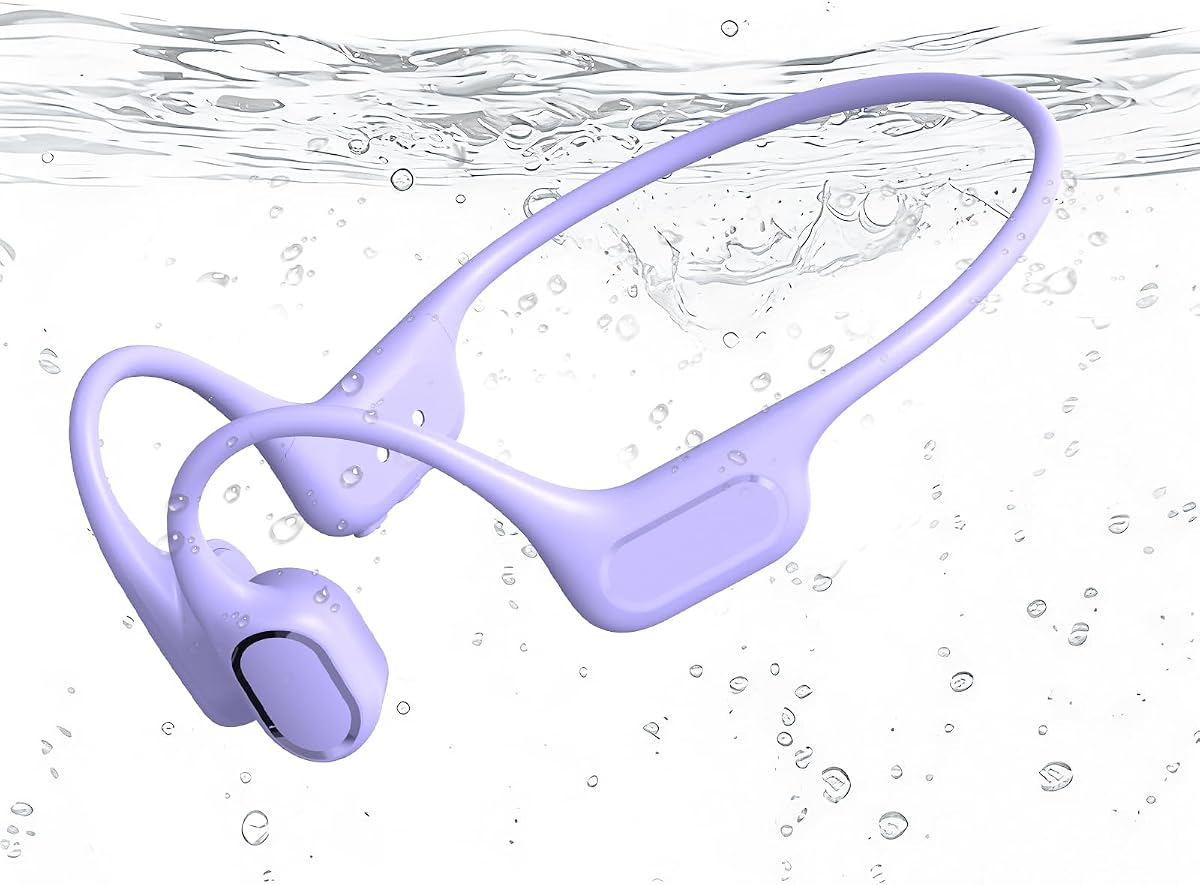
Dive into Sound: Your Guide to Bone Conduction Swim Headphones
For swimmers, runners, and surfers seeking audio without ear canal blockage, bone conduction headphones like the Fanisic Lap offer a unique solution. These open-ear headphones use vibrations through your cheekbones to deliver sound, keeping you aware of your surroundings. Understanding their fit, waterproofing, and storage capacity is key to choosing the right model for your aquatic or active lifestyle.
Key Considerations Before Buying
- Waterproof Rating: Look for IP68 or higher for true underwater use; the Fanisic Lap's IP68 rating ensures it can withstand submersion beyond 1 meter, making it ideal for swimming laps. Ensure the rating matches your intended depth and duration of water exposure.
- Storage and Playback: For pool or open water use without a phone, built-in MP3 storage is essential. The Fanisic Lap's 32GB memory can hold thousands of songs, allowing for standalone play—critical for swimmers who can't carry a device.
- Fit and Stability: Bone conduction headphones must stay secure during vigorous movement. The Fanisic Lap's 'secure fit' design, often with a neckband or ear hooks, prevents dislodging during strokes, flips, or surf wipeouts, so test for comfort and grip.
What Our Analysts Recommend
Quality bone conduction headphones should have a snug but comfortable fit, with no pressure points. Examine the seal around the transducer units for water resistance, and verify that the Bluetooth version (like 6.0) supports stable connectivity when above water. Battery life should match your longest sessions—look for at least 6-8 hours of continuous playback.
Open-Ear Headphones Market Context
Market Overview
The open-ear headphone market has rapidly expanded, driven by demand for situational awareness during sports and safer listening. Bone conduction technology, once niche, now offers competitive sound quality, with brands like Fanisic targeting multi-sport athletes with waterproof and storage features.
Common Issues
Common complaints include low volume in noisy environments, vibration discomfort on the cheekbones, and inconsistent Bluetooth connectivity when submerged. Some users also report that the fit can loosen over time, especially during high-impact activities like running or surfing.
Quality Indicators
Look for robust build materials (e.g., titanium frame for flexibility), a high IP rating with testing certifications, and user feedback on sound clarity and battery longevity. Reviews that mention specific usage contexts—like lap swimming or cycling in rain—are strong indicators of real-world performance.
Review Authenticity Insights
Grade B Interpretation
With a Grade B and an estimated 10% fake review rate, the Fanisic Lap's reviews are largely trustworthy, but caution is warranted. The 5.00/5 rating is slightly inflated; the adjusted 4.80/5 is more realistic. Most reviews are verified and detailed, suggesting genuine customer experiences.
Trust Recommendation
You can rely on the majority of feedback, but focus on reviews that mention specific pros and cons, like battery life during long swims or fit during flip turns. Ignore any that are overly generic or lack purchase verification. The high authenticity grade means the product likely delivers on its core promises.
Tips for Reading Reviews
For bone conduction headphones, prioritize reviews from swimmers or surfers who discuss water performance and fit stability. Look for mentions of ear comfort, volume adequacy, and ease of transferring MP3 files. Be skeptical of reviews that only praise without mentioning any downsides.
Expert Perspective
The Fanisic Lap headphones stand out in the niche of aquatic bone conduction audio, offering a rare combination of IP68 waterproofing, 32GB MP3 storage, and Bluetooth 6.0. The 4.80/5 adjusted rating reflects strong user satisfaction, particularly for swimming and cycling. However, the 10% fake review rate suggests some marketing hype, so real-world expectations should be tempered—especially regarding volume in loud environments.
Purchase Considerations
Consider your primary use case: if you swim laps daily and need offline music, the 32GB storage is a major advantage. For casual pool use or running, ensure the fit is secure for your head shape. The purple color may be a style preference, but function should take priority over aesthetics.
Comparing Alternatives
Shoppers should compare with other bone conduction models like the Shokz OpenSwim or Naenka Runner, which also offer waterproof designs but may vary in storage capacity and price. Evaluate based on your specific activity needs.


