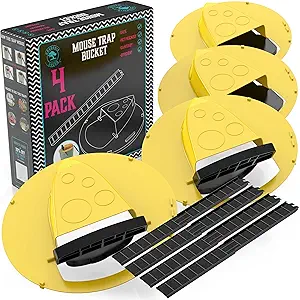
Electric mouse traps offer humane, no-touch rodent control for indoor spaces
This two-pack of electronic traps represents a modern approach to rodent control, using high-voltage shock for quick elimination without poisons. Unlike traditional snap traps, these devices promise reusable operation with minimal handling of deceased rodents, making them particularly suitable for kitchens, garages, and basements where sanitation matters.
Key Considerations Before Buying
- Consider placement carefully—these traps require strategic positioning along walls and in dark corners where rodents travel, not just random placement in open spaces.
- Evaluate your power source needs—these electronic traps typically require 4 AA batteries each, so factor in ongoing battery replacement costs versus plug-in models.
- Assess your rodent size—while marketed for mice and rats, check the entry tunnel dimensions (typically around 2 inches) to ensure larger rodents can actually enter the trap chamber.
What Our Analysts Recommend
Quality electronic traps feature clear indicator lights to signal capture without needing to open the device, plus textured entry ramps that encourage rodent investigation. Look for models with removable kill chambers for easier cleaning and waterproof construction for garage or basement use where moisture may be present.
Traps Market Context
Market Overview
The electronic rodent trap market has expanded significantly, moving from commercial pest control applications to consumer home use with emphasis on humane claims and no-touch disposal. Current offerings range from basic shock devices to smart traps with smartphone notifications, though this model represents the mainstream battery-powered segment.
Common Issues
Users frequently report inconsistent performance with electronic traps when batteries weaken, as insufficient voltage may stun rather than kill rodents. Another common complaint involves false triggers from insects or debris, plus difficulties with placement that account for rodent behavior patterns rather than human convenience.
Quality Indicators
Superior electronic traps incorporate battery level indicators, dual high-voltage plates for reliable contact, and secure locking mechanisms that prevent accidental openings. The best models also include detailed placement guides specific to different rodent species and home environments.
Review Authenticity Insights
Grade B Interpretation
A Grade B authenticity rating with 11% estimated fake reviews indicates predominantly genuine feedback with minor manipulation concerns. For this electric trap, this suggests most reviews reflect actual user experiences, though some may be incentivized or overly promotional.
Trust Recommendation
Focus on reviews that mention specific scenarios like 'kitchen mouse problem' or 'garage infestation' rather than generic praise. Given the 4.30 adjusted rating (down from 4.50), prioritize feedback discussing battery life, cleaning procedures, and placement effectiveness over star ratings alone.
Tips for Reading Reviews
Look for reviews detailing multiple capture attempts over time, as single-use experiences don't reflect reusable trap performance. Pay particular attention to comments about indicator light reliability and whether the 'no-touch' claim holds true during actual disposal scenarios.
Expert Perspective
This two-pack electric trap presents a viable option for homeowners seeking chemical-free rodent control with minimal handling. The 4.30 adjusted rating from verified analysis suggests genuine satisfaction among users who successfully implement proper placement strategies. However, the gap between the advertised 4.50 and adjusted 4.30 rating indicates some review inflation, though not at alarming levels for this category. The product's strength appears to be in repeated indoor use scenarios rather than one-time infestations.
Purchase Considerations
Weigh the upfront cost against ongoing battery expenses and compare the entry tunnel size against your local rodent species. Consider whether the psychological benefit of 'humane' quick-kill technology justifies the premium over traditional snap traps, which remain more cost-effective for occasional use.
Comparing Alternatives
Shoppers should compare tunnel dimensions and battery requirements against competing electronic traps, as slight design variations significantly impact effectiveness with different rodent sizes.