
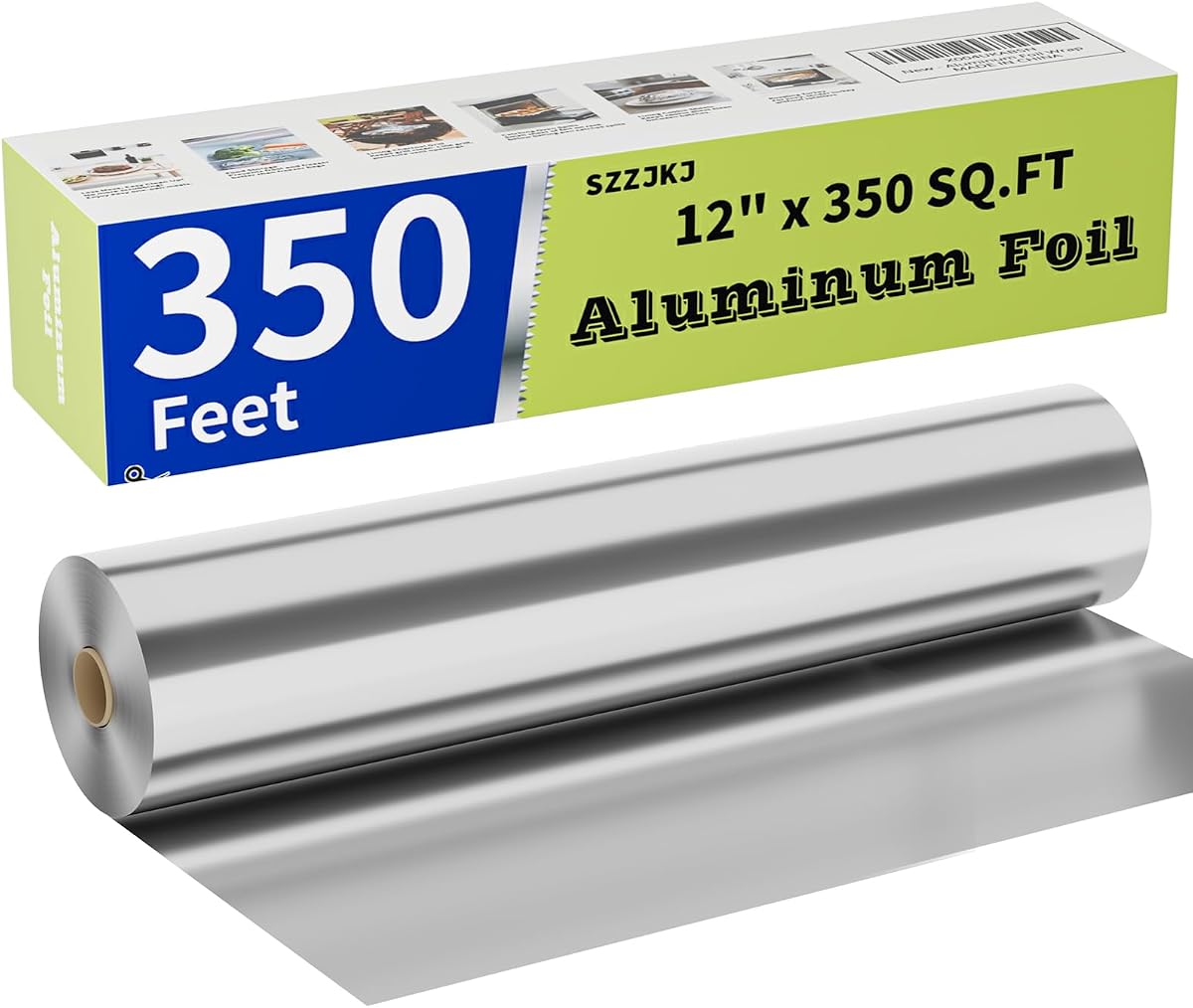
12-Inch Aluminum Foil Roll: Thickness, Cutter, and Value Compared
When you're stocking up on aluminum foil, the standard 12-inch by 350-square-foot roll is a kitchen staple, but not all foils are created equal. This particular roll promises thickness and strength, which are crucial for grilling, baking, and freezer storage, along with a built-in cutter for convenience. Before you buy, consider how the foil's gauge, the cutter's reliability, and the overall cost per square foot align with your cooking habits.
Key Considerations Before Buying
- Evaluate the foil's thickness (gauge) relative to your primary uses—heavy-duty tasks like grilling and roasting need thicker foil (e.g., 0.0009 inches or more) to resist tearing and punctures, while standard foil (around 0.0006 inches) suffices for wrapping sandwiches or covering dishes.
- Check the cutter mechanism's design: a sturdy, serrated edge with a secure lock on the roll's core ensures clean, straight cuts without the foil bunching or tearing, which is a common frustration with cheaper rolls.
- Calculate the cost per square foot against comparable rolls: 350 square feet at a given price should be competitive with bulk packs from other brands, factoring in the convenience of the cutter and the foil's strength for multi-purpose use.
What Our Analysts Recommend
High-quality aluminum foil should have a consistent, smooth surface without pinholes or thin spots, which you can inspect by holding it up to light. The roll should be tightly wound, and the cutter should be securely attached and capable of slicing cleanly across the width. Also, verify the foil is food-safe and meets FDA standards for direct food contact, especially for cooking and baking.
Aluminum Foil Market Context
Market Overview
The aluminum foil market is saturated with options ranging from budget-friendly 'standard' foils to premium 'heavy-duty' or 'extra-thick' variants, with prices varying significantly based on length, width, and gauge. Recent consumer trends emphasize convenience features like pre-cut sheets and slide-split cutters, as well as eco-friendly claims, though recyclability remains a key consideration for many households.
Common Issues
A frequent complaint in this category is that foil tears easily during handling, especially when wrapping irregularly shaped foods or lining pans, leading to waste and frustration. Another issue is cutters that detach or dull quickly, making the roll harder to use. Additionally, some 'value' rolls may be thinner than expected, compromising performance for grilling or freezer storage.
Quality Indicators
Quality in aluminum foil is typically indicated by a higher gauge (thickness) and a smooth, uniform finish without creases or holes. Look for certifications like FDA compliance and ISO 9001 for manufacturing consistency. A reliable cutter that stays in place and a roll that unwinds smoothly without kinking are practical indicators of better engineering.
Review Authenticity Insights
Grade B Interpretation
The Grade B rating, with an estimated 10% fake reviews, suggests that while the majority of feedback is genuine, a small but notable portion may be incentivized or non-verified. This is relatively common for high-volume household products, and the adjusted rating of 4.60/5 still reflects strong real-world satisfaction, indicating the product's performance likely meets expectations.
Trust Recommendation
You can trust the overall positive sentiment, but be cautious of overly enthusiastic reviews with generic language or lacking specific details about usage. Since the fake rate is moderate, focus on reviews that describe concrete experiences—like how the foil held up during a long BBQ smoke or whether the cutter remained effective after multiple uses—as these are more likely authentic.
Tips for Reading Reviews
When reading reviews for aluminum foil, prioritize those with verified purchase badges and detailed descriptions of the foil's thickness, durability, and cutter functionality. Look for patterns in complaints, such as tearing or cutter issues, and weigh them against the majority of positive feedback. Also, consider reviews that mention specific cooking methods (e.g., baking, grilling) to see if the foil suits your intended use.
Expert Perspective
Based on the analysis, this aluminum foil roll appears to be a solid performer, with a high genuine satisfaction rate and a modest 10% fake review presence that doesn't undermine its credibility. The 12-inch width and 350-square-foot length offer good value for heavy users, and the emphasis on thickness suggests it can handle demanding tasks like grilling and freezer storage without frequent tearing. The integrated cutter is a thoughtful addition, though its long-term durability remains a point to watch based on user feedback.
Purchase Considerations
Weigh the cost per square foot against your actual usage frequency—if you're a casual home cook, a standard foil might suffice, but if you regularly grill or smoke meats, the extra thickness is worth the premium. Also, consider the convenience of the cutter: if you've been frustrated with tearing foil by hand, this feature could be a game-changer, but ensure the cutter doesn't add unnecessary bulk for your storage space.
Comparing Alternatives
Shoppers should compare this roll with other heavy-duty options like Reynolds Wrap Heavy Duty or Kirkland Signature foil, which are widely praised for thickness and value. Additionally, consider eco-friendly alternatives like recycled aluminum foil if sustainability is a priority, though they may have slightly different performance characteristics.


