
How to Choose Heavyweight Alpaca Wool Socks for Cold-Weather Adventures
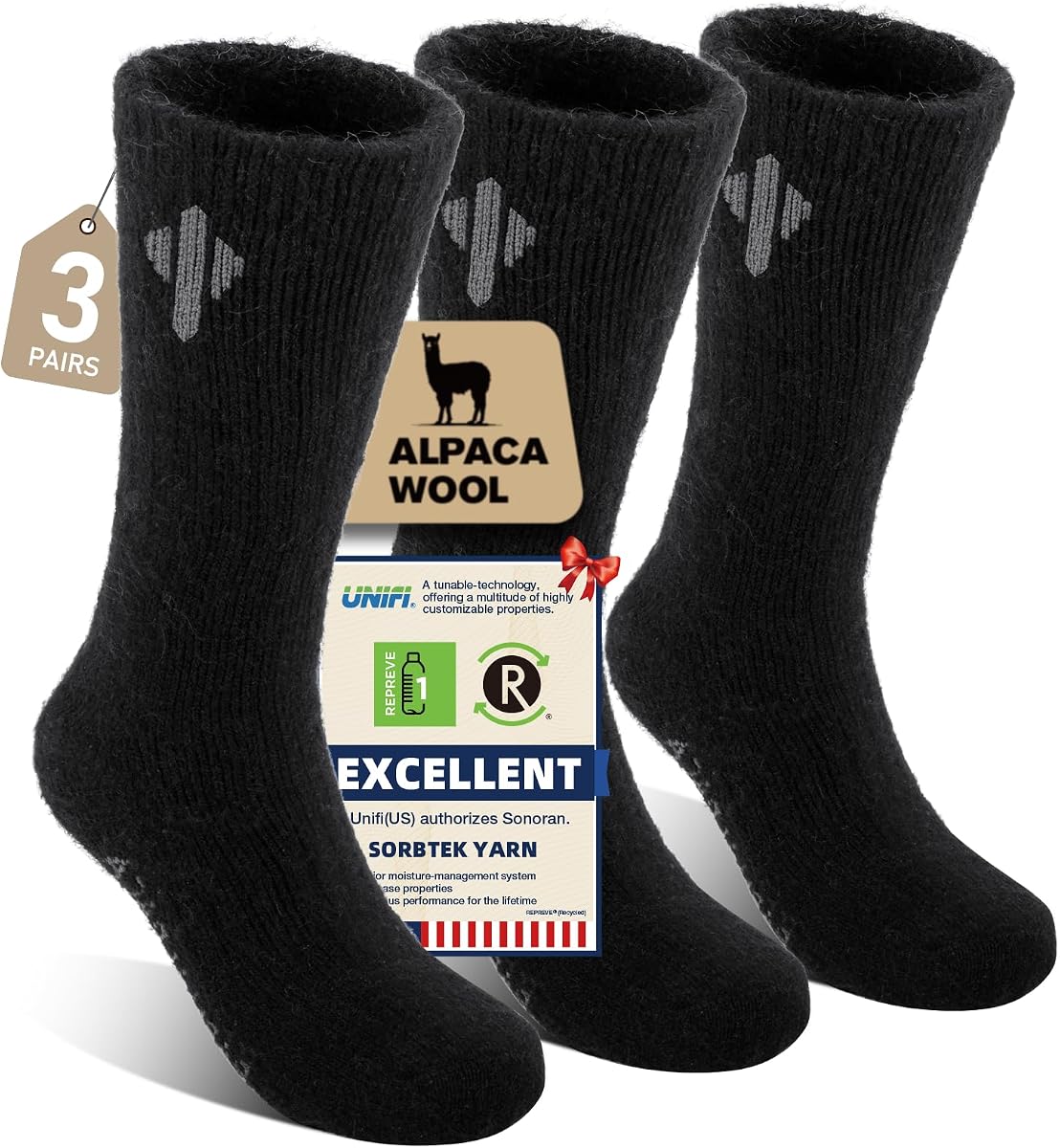
When you're hunting, hiking, or working outdoors in freezing temperatures, your socks can make or break your comfort. Alpaca wool socks like these offer exceptional warmth, moisture-wicking, and durability, but not all alpaca socks are created equal. Here's what you need to know before buying.
Key Considerations Before Buying
- Material blend matters: Pure alpaca wool is soft and warm but may lack elasticity, so many socks blend alpaca with nylon and spandex for stretch and durability. Check the percentage of alpaca—higher is warmer but often pricier.
- Weight and thickness: Heavyweight socks provide maximum insulation but may be too bulky for tight-fitting boots. Consider your footwear and activity level; these are ideal for extreme cold and low-intensity activities like hunting or winter hiking.
- Moisture management: Alpaca wool naturally wicks moisture, but added synthetic fibers can enhance drying speed. Look for socks with mesh ventilation zones or moisture-wicking claims to keep feet dry during high-exertion activities.
What Our Analysts Recommend
Examine the construction: reinforced heel and toe areas indicate durability, while a seamless toe reduces blister risk. Check for a snug but not tight fit—alpaca socks should conform to your foot without bunching. Also, read care instructions; many alpaca socks are machine washable but should be air-dried to prevent shrinkage.
Socks Market Context
Market Overview
The market for performance wool socks has grown significantly, with alpaca wool gaining popularity for its superior warmth-to-weight ratio and hypoallergenic properties. Unlike merino wool, alpaca is smoother and less itchy, making it a premium choice for sensitive skin. However, alpaca socks often cost more than synthetic or merino alternatives.
Common Issues
Common complaints in this category include socks that shrink after washing, lose shape over time, or develop holes quickly. Some users find alpaca socks too warm for active sports, leading to excessive sweating. Additionally, sizing can be inconsistent across brands, so checking reviews for fit is crucial.
Quality Indicators
High-quality alpaca socks typically feature a high percentage of alpaca wool (often 40-70%), combined with nylon for strength and spandex for stretch. They should have reinforced stress points, flat seams, and a tight knit that doesn't pill easily. Brand reputation and customer reviews about longevity are key indicators.
Review Authenticity Insights
Grade B Interpretation
The B authenticity grade and 15% estimated fake review percentage suggest that while most reviews are genuine, a notable minority may be incentivized or fabricated. This is relatively common in the apparel category, where sellers sometimes boost ratings with free products in exchange for reviews. The adjusted rating of 4.50/5, down from 4.89/5, indicates that the product is still well-received but not perfect.
Trust Recommendation
Trust the overall sentiment but be cautious of overly enthusiastic reviews that lack specifics. Focus on reviews that mention durability, fit, and performance in real conditions. Given the 15% fake rate, it's wise to cross-reference with other retailers or forums to gauge true customer satisfaction.
Tips for Reading Reviews
Look for reviews that detail the reviewer's usage—how long they've worn the socks, in what conditions, and how they held up after washing. Pay attention to negative reviews that mention specific issues like shrinking or holes, as these are likely genuine. Also, check the dates; recent reviews may reflect changes in manufacturing.
Expert Perspective
These alpaca socks appear to be a solid choice for cold-weather enthusiasts, with a high adjusted rating indicating genuine customer satisfaction. The blend of alpaca wool with synthetics likely provides the best of both worlds: warmth and durability. However, the presence of 15% potentially fake reviews means you should weigh the feedback carefully, focusing on detailed, balanced accounts.
Purchase Considerations
Consider your specific needs: if you prioritize warmth and comfort for low-intensity activities, these socks are likely a great fit. If you're doing high-intensity hiking where breathability is key, you might prefer a lighter weight or merino blend. Also, factor in cost—alpaca socks are an investment, so ensure they meet your durability expectations.
Comparing Alternatives
Before purchasing, compare these with other alpaca or merino wool socks from reputable brands like Smartwool, Darn Tough, or REI Co-op, which may offer similar performance with different warranties or price points.


