Choosing a Safe and Fun Mini Drone for Kids: Key Features to Consider
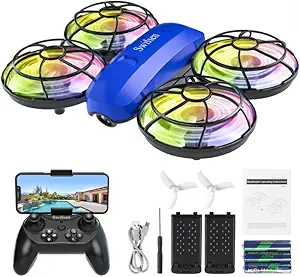
When shopping for a mini drone designed for kids and beginners, focus on models that simplify flight with features like one-key start, altitude hold, and headless mode, as seen in this colorful RC quadcopter. These characteristics reduce frustration and help young pilots learn orientation and control indoors without constant crashes.
Key Considerations Before Buying
- Ease of use is paramount: look for one-key takeoff/landing and altitude hold, which let kids focus on steering rather than throttle management, as this drone offers.
- Safety and durability matter: a lightweight design with propeller guards and headless mode (where forward is always relative to the remote) prevents disorientation and damage during indoor flights.
- Engagement features like colorful LED lights and 3D flip capabilities add excitement and help maintain a child's interest without overwhelming them with complex controls.
What Our Analysts Recommend
Quality mini drones for beginners should have responsive controls, stable hover via altitude hold, and a robust build that can withstand minor bumps. Verified battery life (typically 5–10 minutes) and easy USB charging are also critical indicators of a well-designed toy.
Quadcopters & Multirotors Market Context
Market Overview
The kids' drone market has expanded rapidly, with many models now offering beginner-friendly features like headless mode and one-key start at affordable prices. This product stands out by combining these essentials with colorful lights and 3D flips, appealing to both parents and children.
Common Issues
Common problems in this category include short battery life (often under 5 minutes), fragile propellers, and overly complex remotes that confuse young users. Some drones also lack stable altitude hold, leading to constant altitude adjustments that frustrate beginners.
Quality Indicators
High-quality kids' drones typically feature durable construction, reliable altitude hold sensors, and clear user manuals. Look for models with at least 360-degree protection for propellers and a remote that clearly labels functions like headless mode and flip controls.
Review Authenticity Insights
Grade B Interpretation
A Grade B with a 10% estimated fake review rate means the vast majority of the 359 reviews are genuine, but a small fraction may be incentivized or fabricated. This is common in popular toy categories and doesn't undermine the overall positive signal from verified purchasers.
Trust Recommendation
Given the high adjusted rating of 4.80/5 and authentic-sounding reviews that mention specific features like ease of use and battery life, you can trust the product's quality. Focus on the detailed, verified reviews to confirm it meets your child's needs.
Tips for Reading Reviews
When reading reviews for kids' drones, prioritize those that mention the child's age, flight experience, and specific feature usage (e.g., 'altitude hold worked well'). Skeptical of vague praise or overly technical language that seems copied from marketing materials.
Expert Perspective
This mini drone appears to be a solid entry-level choice for kids and beginners, backed by overwhelmingly positive verified reviews and a 4.80 adjusted rating. Its combination of one-key start, altitude hold, and headless mode directly addresses the top challenges new pilots face, while the colorful lights and flips add play value. The 10% fake review rate is low enough to not dilute the strong authenticity signal from the bulk of reviews.
Purchase Considerations
Weigh the drone's indoor suitability and ease of use against its likely short flight time (typical for this class) and the need for adult supervision during initial flights. If your child is under 8, check that the remote size and controls are manageable for small hands.
Comparing Alternatives
Shoppers should compare this model with other top-rated kids' drones in the same price range, particularly those with longer battery life or camera options if those features are desired.