Choosing an ultrasonic dental cleaner: Key factors for effective retainer and aligner maintenance
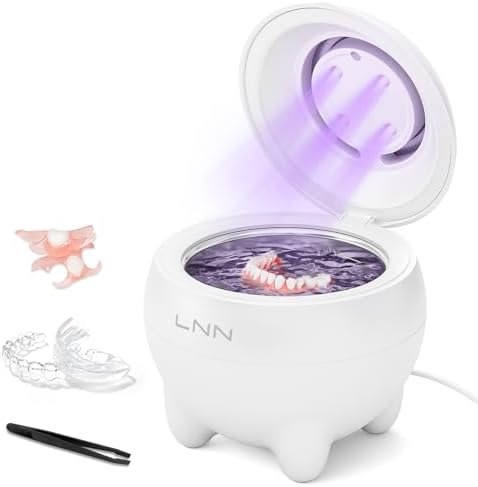
The LNN Ultrasonic Retainer Cleaner represents a specific category of home dental care devices that combine 45kHz ultrasonic cavitation with UV-C light disinfection. Buyers should understand that effective cleaning requires proper frequency selection and adequate capacity for their specific dental appliances. This particular model's 180ml capacity is designed to accommodate multiple smaller items like retainers and aligners simultaneously.
Key Considerations Before Buying
- The 45kHz ultrasonic frequency is optimal for dental appliances—higher frequencies (like 80-130kHz) are better for delicate jewelry, while lower frequencies (28-40kHz) provide more aggressive cleaning that might damage thin plastic aligners.
- UV-C light effectiveness depends on proper exposure time and positioning—the LNN's integrated UV system should complement rather than replace the ultrasonic cleaning for biofilm removal.
- The 180ml capacity is sufficient for most single-user dental appliances but may require multiple cycles if cleaning multiple retainers, mouth guards, and toothbrush heads simultaneously.
What Our Analysts Recommend
Quality indicators in this category include stainless steel tanks (like the LNN's) that resist chemical corrosion from cleaning solutions, clear cycle timing controls, and proper safety certifications for electrical devices used near water. The combination cleaning approach—ultrasonic plus UV—should demonstrate thoughtful engineering rather than marketing gimmickry.
Ultrasonic Cleaners Market Context
Market Overview
The ultrasonic dental cleaner market has expanded significantly as at-home aligner therapy and retainer usage has increased, creating demand for specialized maintenance devices beyond basic soaking solutions. Products like the LNN now compete with established dental supply brands by offering combination cleaning technologies at consumer price points.
Common Issues
Users frequently report inadequate tank sizing for their specific appliances, confusing cycle programming, and UV lights that don't properly position to disinfect submerged items. Some cheaper models use lower-quality transducers that degrade quickly or tanks that develop microfractures from repeated heating cycles.
Quality Indicators
Look for products specifying their ultrasonic frequency (45kHz being ideal for dental plastics), transparent lids that allow UV penetration, and tanks sized appropriately for your largest appliance. Genuine stainless steel construction and clear warranty terms covering transducer failure are important durability markers.
Review Authenticity Insights
Grade B Interpretation
The Grade B authenticity rating with 11% estimated fake reviews indicates generally trustworthy feedback with some minor manipulation concerns. This suggests most reviews reflect genuine user experiences, though shoppers should be slightly more critical of overly enthusiastic 5-star reviews lacking specific usage details.
Trust Recommendation
Focus on reviews that mention specific dental appliances (Invisalign aligners versus Hawley retainers) and cleaning solutions used, as these demonstrate actual usage patterns. The adjusted 4.10/5 rating excluding suspicious reviews provides a more reliable performance indicator than the raw 4.33/5 average.
Tips for Reading Reviews
Pay particular attention to reviews discussing long-term use (3+ months) and cleaning effectiveness on stained or cloudy appliances, as these address the product's sustained performance. Reviews mentioning comparison with other cleaning methods (effervescent tablets, manual brushing) provide valuable context.
Expert Perspective
The LNN cleaner presents a compelling value proposition with its dual cleaning technology, though the 180ml capacity may limit simultaneous cleaning of larger items like full dentures. The 45kHz frequency is appropriately selected for dental plastics, providing thorough cleaning without risking damage to thin aligner materials. The integration of UV light adds a secondary disinfection layer, though its effectiveness depends on proper water clarity and exposure duration. The product's placement in both dental care and scientific supply categories reflects its hybrid nature between consumer appliance and precision cleaning device.
Purchase Considerations
Consider whether your usage pattern involves daily cleaning of single items (ideal for this capacity) versus weekly deep cleaning of multiple appliances. The combination approach justifies the price premium over basic ultrasonic cleaners if you value both cavitation cleaning and UV disinfection. Those with exclusively clear aligners might prioritize gentler cleaning, while denture users may need larger capacity.
Comparing Alternatives
Shoppers should compare the LNN's 45kHz/UV combination against single-technology cleaners and consider whether they need the UV function or would prefer higher capacity at similar price points.