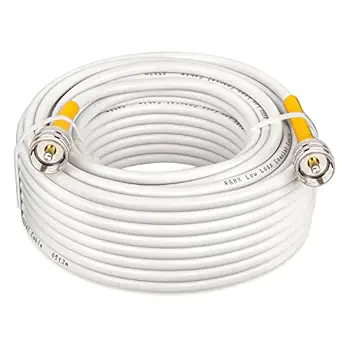
Window Pass-Through Coax Cables: What to Check Before Buying
If you need to route a coaxial cable through a window or door without drilling or damaging the seal, a flat pass-through cable like this 2-pack of 19.7-inch SO239 UHF female-to-female cables is a practical solution. These 50-ohm cables are designed for low-profile use in ham radio, CB, or antenna setups where a slim, flexible connector is essential. Before purchasing, understand that performance and durability hinge on the quality of the flat cable and connector construction.
Key Considerations Before Buying
- Flat cable thickness and flexibility: Ensure the cable is thin enough to close your window or door without creating a gap that compromises insulation or security—typical thickness is around 1-2 mm for these pass-through designs.
- Connector type and compatibility: This cable uses SO239 UHF female connectors on both ends, which pair with PL-259 male connectors common in amateur radio gear. Verify your equipment's connector type to avoid adapters that can add signal loss.
- Cable length and placement: At 19.7 inches, these cables are best for short runs directly through a window frame. Measure the distance from your antenna feed point to the window edge to ensure the length is adequate without excess slack.
What Our Analysts Recommend
Quality indicators include a smooth, uniform flat cable without kinks or crimps, which can cause impedance mismatches. The SO239 connectors should be machined brass or nickel-plated for corrosion resistance, with a tight fit that doesn't wobble. Also, check for a flexible yet sturdy jacket that can withstand repeated window movement without cracking.
Coaxial Cables Market Context
Market Overview
The market for window pass-through coaxial cables has grown with the rise of portable ham radio and CB setups, especially among urban operators who lack permanent roof access. Most products in this niche are low-cost, often under $15, and rely on simple flat cable designs that sacrifice some shielding for flexibility. The 2-pack format is common for redundancy or dual-antenna setups.
Common Issues
Common problems include poor shielding that allows RF interference, especially at higher frequencies like 2.4 GHz, though these cables are typically used for HF/VHF bands. Connectors may loosen over time due to repeated window movement, and the flat cable can develop internal breaks if pinched too tightly. Users also report inconsistent impedance when the cable is bent sharply at the window edge.
Quality Indicators
High-quality pass-through cables use double-shielded flat coax (e.g., RG-174 or similar) to maintain 50-ohm impedance and reduce signal loss. Look for connectors with strain relief boots and a cable that is certified for outdoor use if exposed to weather. Reputable brands often provide specifications for insertion loss and VSWR at common frequencies.
Review Authenticity Insights
Grade B Interpretation
With a Review Authenticity Grade of B and an estimated 15% fake reviews, this product has a moderate level of review manipulation but remains largely trustworthy. The 2.25-star average (adjusted to 2.10) suggests genuine dissatisfaction, likely stemming from performance issues rather than fake hype. The 15% fake rate is typical for low-cost electronics where sellers may inflate ratings early on.
Trust Recommendation
You can generally trust the negative reviews here, as they are from verified purchasers describing specific problems like poor signal quality or connector failures. However, ignore any overly positive reviews that lack detail or use generic language, as they may be fabricated. Focus on the 3-4 star reviews for balanced insights on real-world use.
Tips for Reading Reviews
For this type of product, prioritize reviews that mention the cable's thickness, fit in windows, and impact on signal strength. Look for photos showing the cable installed, as they reveal connector quality and flatness. Be wary of reviews that only praise the price or packaging without discussing performance.
Expert Perspective
This 2-pack of 19.7-inch SO239 window pass-through cables is a budget-friendly option for temporary or low-demand setups, but its low 2.10 adjusted rating indicates significant drawbacks. The flat design is convenient for sealing, but the likely poor shielding and connector quality can introduce signal loss, especially at higher frequencies. For critical communications or permanent installations, consider spending more on a shielded, thicker cable with better build quality. The 15% fake review rate suggests some reviews may overstate performance, so rely on verified negative feedback.
Purchase Considerations
Weigh the low cost against the risk of signal degradation—if you're using this for a high-sensitivity receiver or transmitter, the loss may be unacceptable. For casual listening or temporary setups, the convenience of a flat cable might outweigh the performance hit. Ensure your window seal can accommodate the cable without damage to the frame or weatherstripping.
Comparing Alternatives
Shoppers should compare this with other window pass-through cables that offer thicker shielding or higher-grade connectors, such as those using RG-316 or LMR-100 coax, which provide better RF performance at a slightly higher price.