Jackery Explorer 240D: Compact LiFePO4 Power for Camping & Emergencies
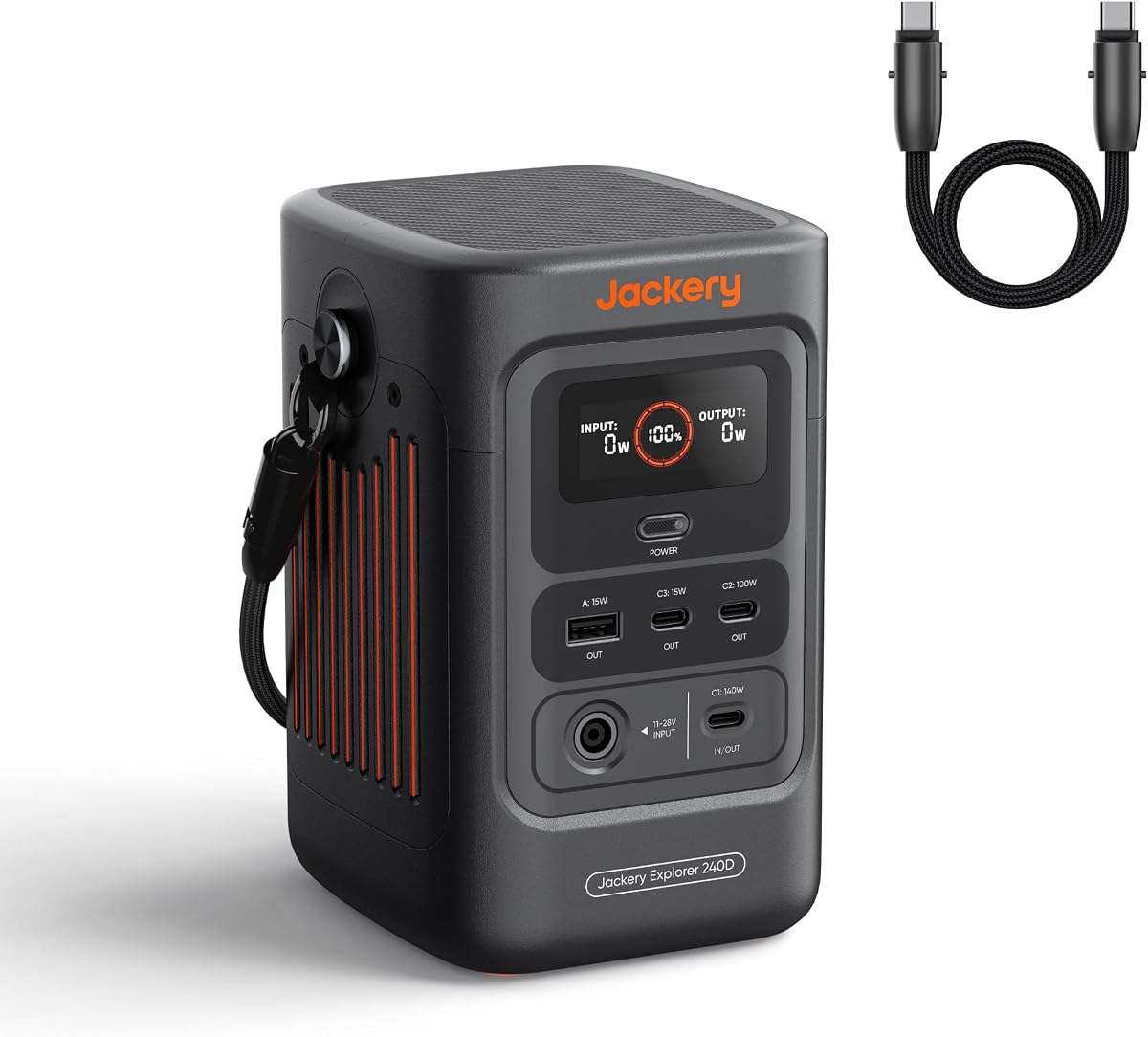
If you're in the market for a portable power station that balances size, safety, and speed, the Jackery Explorer 240D stands out with its 256Wh LiFePO4 battery and 200W DC output. This guide helps you evaluate whether this compact unit fits your camping, travel, or emergency backup needs.
Key Considerations Before Buying
- Consider your device wattage: With a 200W DC output, the 240D can power small electronics like phones, tablets, and mini-fridges, but won't run high-draw appliances like hair dryers or electric heaters. Check the wattage of your gear before buying.
- Evaluate your recharging options: The 1-hour fast charging via USB-C is a major plus, but you'll also want to confirm you have access to a compatible wall outlet or solar panel for field recharging. The included USB-C cable is convenient, but solar panels are sold separately.
- Assess battery chemistry: The LiFePO4 battery offers longer cycle life and better thermal stability than older lithium-ion packs, making it ideal for frequent campers or emergency kits where reliability over years matters. Expect 3,000+ charge cycles versus 500-1,000 for standard lithium-ion.
What Our Analysts Recommend
Look for a power station with verified output ports that match your needs—the 240D includes USB-A and USB-C, plus a DC carport. Check for real-world capacity ratings (256Wh is the usable energy) and verify that the manufacturer provides clear cycle life specs, as Jackery does with LiFePO4.
Generators Market Context
Market Overview
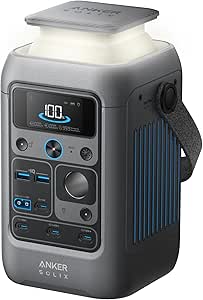
The portable power station market has exploded, with options ranging from small 100Wh units to massive 2,000Wh+ systems. The 240D sits in the sweet spot for light-to-medium use, competing with brands like Goal Zero and Anker in the sub-300Wh segment.
Common Issues
A frequent complaint in this category is misleading capacity ratings—some brands list raw battery capacity instead of usable watt-hours. Another issue is slow recharge times, which the 240D addresses with its 1-hour fast charging, though not all competitors offer this.
Quality Indicators
Quality signs include UL or FCC certification, LiFePO4 chemistry for longevity, and a brand with a track record of customer support. Jackery's established reputation and the 240D's detailed specs (like 200W output and 80,000mAh) are positive indicators.
Review Authenticity Insights
Grade B Interpretation
With a Grade B and an estimated 10% fake review rate, the Jackery Explorer 240D's feedback is largely trustworthy but not flawless. The 4.44/5 star rating (adjusted to 4.20/5) suggests that while most reviews are genuine, a small fraction may be incentivized or exaggerated.
Trust Recommendation
You can generally trust the positive consensus, but focus on reviews that mention specific usage scenarios—like camping trips or power outages—and those that compare the 240D to other Jackery models. Verified purchase tags are a strong signal of authenticity here.
Tips for Reading Reviews
For portable power stations, prioritize reviews that discuss real-world battery life (e.g., how many phone charges they got) and recharging speed. Be wary of overly brief reviews that lack details about the product's features or use case.
Expert Perspective
The Jackery Explorer 240D is a well-rounded, compact power station that excels in portability and fast recharging, thanks to its LiFePO4 battery and USB-C input. Its 256Wh capacity and 200W output suit light-duty use like charging devices and running small appliances, but it's not built for heavy loads. The high authenticity grade (B) and low fake review rate (10%) indicate that customer feedback is reliable, supporting its solid 4.2/5 adjusted rating. For campers or emergency preppers who prioritize safety and longevity, this is a strong contender.
Purchase Considerations
Weigh the 240D's compact size and fast charging against its limited 200W output—if you need to power larger gear, consider a higher-wattage model. Also, factor in the cost of optional solar panels if you plan to recharge off-grid frequently.
Comparing Alternatives
Shoppers should compare the 240D with similar-capacity units like the Goal Zero Yeti 200X or Anker PowerHouse 200, especially regarding output ports and recharge times.