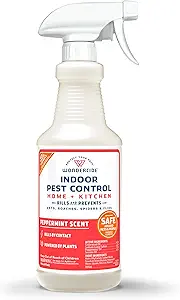
Choosing Effective Peppermint Mouse Repellent: What 36 Balls Can and Can't Do
When evaluating this specific 36-ball peppermint rodent repellent, understand that its effectiveness hinges on proper placement and realistic expectations. Unlike traditional traps or poisons, this product relies on scent deterrence, which works best as a preventive measure rather than solving active infestations.
Key Considerations Before Buying
- Peppermint oil concentration matters—this product's effectiveness depends on maintaining strong scent dispersion across all 36 balls, which requires strategic placement in entry points rather than random scattering.
- Consider your space dimensions: 36 balls may be insufficient for large properties but adequate for targeted areas like attics, garages, or vehicle compartments where mice seek shelter.
- Outdoor durability is crucial—this product claims both indoor and outdoor use, so check reviews specifically addressing how well the balls hold up in weather conditions without losing potency.
What Our Analysts Recommend
Quality peppermint repellents should specify oil concentration (though this product doesn't), use slow-release technology for longevity, and provide clear placement guidance. The 4.89/5 rating suggests users find the scent strength adequate, but examine reviews discussing reapplication frequency.
Sprays Market Context
Market Overview
The natural rodent repellent market has expanded significantly, with peppermint-based products now competing with ultrasonic devices and traditional chemical solutions. Consumers increasingly seek humane, non-toxic options that won't harm pets or children, driving demand for botanical solutions like this 36-ball set.
Common Issues
Many peppermint repellents fail due to weak scent dispersion, rapid evaporation, or improper placement near food sources that attract rodents despite deterrents. Some products also degrade quickly outdoors, losing effectiveness within weeks rather than providing the 'long-lasting' protection advertised.
Quality Indicators
Look for reviews mentioning specific results ('mice stopped entering shed' vs 'smells nice'), details about reapplication timelines, and comparisons to other deterrent methods. Verified purchase reviews with photos of actual placement provide more reliable insights than generic praise.
Review Authenticity Insights
Grade B Interpretation
A Grade B authenticity rating with 11% estimated fake reviews indicates generally trustworthy feedback, though approximately 1 in 9 reviews may be artificially positive. The adjusted 4.60/5 rating (down from 4.89/5) suggests genuine satisfaction remains high after removing suspicious content.
Trust Recommendation
Focus on verified purchase reviews that describe specific scenarios—like using balls in RVs, crawl spaces, or garden sheds—rather than generic 'works great' comments. The 414-review sample provides sufficient data points to identify consistent patterns of success or limitations.
Tips for Reading Reviews
Prioritize reviews discussing placement strategies, scent longevity over weeks/months, and comparisons to previous repellent attempts. Be skeptical of reviews claiming miraculous results without context, as peppermint deterrents typically work best alongside exclusion methods like sealing entry points.
Expert Perspective
This product's exceptionally high ratings—even after authenticity adjustment—suggest it delivers satisfactory results for most users seeking a natural deterrent. The 36-count provides multiple placement options, which is crucial since peppermint requires creating scent barriers at potential entry points. However, the 'moth balls' description is misleading; these are peppermint balls, not traditional naphthalene-based mothballs, which is actually a safety advantage for homes with pets.
Purchase Considerations
Weigh whether you need prevention versus eradication—this product excels at deterring mice from establishing nests but may not drive out existing populations. Consider your tolerance for strong peppermint aroma, as some reviews note the scent permeates treated areas. The indoor/outdoor claim requires monitoring ball degradation in exposed locations.
Comparing Alternatives
Compare scent longevity claims with competing botanical repellents, and consider whether granular or spray formulations might better suit your specific spaces versus these solid balls.