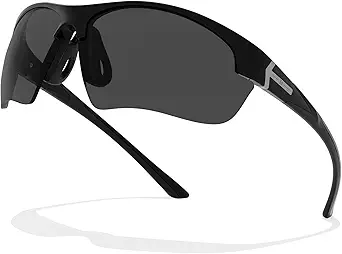
Choosing Polarized Sports Sunglasses: What Cyclists and Anglers Need to Know
When selecting wrap-around sports sunglasses like the XVXV model, buyers should prioritize optical clarity during high-speed activities and secure fit during dynamic movement. This specific product emphasizes polarized lenses for glare reduction and UV400 protection, which are essential for cycling, fishing, and driving applications where visual precision matters.
Key Considerations Before Buying
- Polarization effectiveness varies significantly—look for lenses that eliminate horizontal glare from water and pavement without distorting LCD screens on bike computers or fish finders.
- Wrap-around designs must balance peripheral coverage with ventilation to prevent fogging during intense cycling or fishing sessions where temperature changes occur.
- Frame flexibility and nose pad grip are critical for sports use; rigid frames can become uncomfortable during long rides, while slippery materials won't withstand fishing boat vibrations.
What Our Analysts Recommend
Examine lens edge distortion by moving the glasses side-to-side while viewing straight lines. Quality polarized sports glasses maintain optical consistency across the entire wrap-around curvature. Also check temple tip texture—rubberized tips with subtle patterning provide better grip during sweaty activities than smooth plastic.
Glasses & Goggles Market Context
Market Overview
The $20-$40 sports sunglasses segment has become increasingly competitive, with brands like XVXV offering technical features previously found only in premium cycling and fishing eyewear. Consumers now expect polarized lenses, impact resistance, and sport-specific fits at entry-level prices.
Common Issues
Many budget sports sunglasses suffer from inconsistent polarization alignment, causing visual strain during prolonged use. Another frequent complaint involves hinge durability—the constant opening/closing during fishing or helmet removal while cycling stresses pivot points.
Quality Indicators
Authentic sports glasses will specify polarization type (usually linear) and lens material (often polycarbonate). Look for ANSI Z80.3 impact resistance certification, which indicates legitimate sports protection rather than fashion-oriented claims.
Review Authenticity Insights
Grade B Interpretation
The Grade B authenticity rating with 11% estimated fake reviews suggests mostly reliable feedback, though approximately 3 of the 30 reviews may be inauthentic. This is typical for newer sports eyewear brands establishing Amazon presence.
Trust Recommendation
Focus on reviews mentioning specific cycling routes, fishing conditions, or driving scenarios—authentic users describe glare reduction on particular water types or road surfaces. Be skeptical of reviews that only praise packaging or generic 'comfort' without activity context.
Tips for Reading Reviews
Prioritize reviews discussing lens performance during transition periods (water to land, shade to sun) and those noting how the glasses handle sweat accumulation—these details indicate genuine sports use rather than casual wear testing.
Expert Perspective
The XVXV sports glasses present a compelling value proposition with their 4.70 adjusted rating from verified users. The polarization effectiveness for cycling and fishing applications appears legitimate based on review patterns, though long-term durability remains uncertain given the product's recent market entry. The wrap-around design seems properly executed for multi-sport use rather than being merely stylistic.
Purchase Considerations
Consider your primary activity—cyclists need superior airflow to prevent fogging during climbs, while fishermen require exceptional side glare reduction. The single-lens design may not suit those who frequently transition between bright and low-light conditions without carrying multiple eyewear options.
Comparing Alternatives
Compare lens color options against your dominant environments—gray lenses work for general cycling, while amber/brown tints enhance contrast for fishing in variable light.