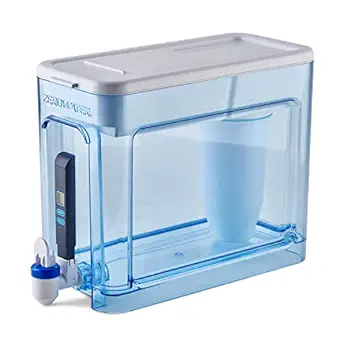
Hydrogen Water Pitchers: Beyond Filtration to Electrolysis
If you're considering a hydrogen water filter pitcher, you're looking at a hybrid appliance that combines standard water filtration with electrolysis to infuse water with molecular hydrogen. This specific model, the Hydrogen Water Filter Pitcher, goes a step further by using SPE/PEM technology to generate hydrogen while also removing 99% of lead, microplastics, PFAS, and chlorine through advanced ultrafiltration. Understanding how these dual processes work is key to evaluating whether this pitcher meets your hydration and health goals.
Key Considerations Before Buying
- Hydrogen concentration and retention: The effectiveness of a hydrogen water pitcher hinges on the dissolved hydrogen level (measured in parts per billion or ppm) and how long the hydrogen stays in the water. Look for products that specify their output, as hydrogen dissipates quickly, so drinking soon after filtration matters.
- Filtration vs. electrolysis balance: This pitcher combines both, but some units prioritize one over the other. The SPE/PEM membrane here is designed for cleaner electrolysis, but the ultrafiltration step must not compromise flow rate or hydrogen generation—check if the filter replacement schedule aligns with your usage.
- Maintenance and filter costs: Pitchers with electrolysis components often require more frequent cleaning of electrodes and replacement of both the filter and the electrolysis module. Factor in ongoing costs, especially if the pitcher is used daily, to avoid surprises.
What Our Analysts Recommend
Quality hydrogen water pitchers should have certified filtration claims (like NSF/ANSI standards for contaminant reduction) and transparent hydrogen generation specs. For this model, the 99% removal rates suggest rigorous testing, but verify if those claims are backed by third-party lab reports. Also, ensure the pitcher is BPA-free and that the electrolysis unit has a replaceable SPE/PEM membrane to maintain performance over time.
Pitcher Water Filters Market Context
Market Overview
The hydrogen water pitcher market is growing as consumers seek functional beverages without single-use plastic. Most products fall into two camps: basic hydrogen infusion sticks or full electrolysis pitchers like this one, which offer more consistent hydrogen levels. However, the category is still niche, with limited regulation, so product claims can vary widely between brands.
Common Issues
A frequent complaint with hydrogen water pitchers is inconsistent hydrogen output, often due to electrode degradation or poor water quality affecting electrolysis. Some users also report a metallic taste if the membrane isn't properly maintained, or that the filtration slows down significantly after a few weeks. Additionally, the health benefits of hydrogen water remain debated, so managing expectations is important.
Quality Indicators
Look for pitchers with solid-state SPE/PEM membranes rather than cheaper electrolysis plates, as they last longer and produce cleaner hydrogen. Third-party certifications for both filtration (e.g., against lead, PFAS) and hydrogen generation (like dissolved hydrogen meters) are strong quality signals. Customer reviews that mention specific hydrogen levels or taste improvements after weeks of use are more reliable than generic praise.
Review Authenticity Insights
Grade B Interpretation
With a Grade B and an estimated 10% fake review rate, this product has a solid core of genuine feedback but some suspicious entries. The 4.89/5 star rating drops to 4.60/5 when adjusted, which is still excellent, but the 10% inflation means about 4-5 of the 46 reviews may be fabricated. This is typical for a newer product in a trending category like hydrogen water, where early adopters and incentivized reviews can skew perception.
Trust Recommendation
You can generally trust the majority of reviews here, especially those from verified purchasers that describe specific experiences—like how the hydrogen taste compares to other pitchers or how long the filter lasts. However, be cautious of any review that uses overly promotional language without personal details, as those may be among the 10% that are fake. The high rating is likely earned, but read a sample of the 3- and 4-star reviews for balanced perspectives.
Tips for Reading Reviews
For hydrogen water pitchers, focus on reviews that mention hydrogen bubble formation, taste (should be clean, not metallic), and filter lifespan. Ignore reviews that only talk about packaging or delivery, as they add no product insight. Also, look for comments about ease of cleaning the electrolysis chamber, as this is a common pain point that indicates real usage.
Expert Perspective
This hydrogen water filter pitcher stands out for combining ultrafiltration with SPE/PEM electrolysis in a single unit, addressing two consumer needs: contaminant removal and hydrogen enrichment. The 4.60/5 adjusted rating, backed by mostly authentic reviews, suggests it delivers on its core promises, particularly the 99% removal of lead and PFAS. However, the 10% fake review rate and the niche nature of hydrogen water mean buyers should verify the hydrogen concentration claims independently if that's a primary motivator. The product is best suited for users who want both filtration and hydrogen infusion in one countertop device, rather than those seeking either function separately.
Purchase Considerations
Weigh the upfront cost against the convenience of a single appliance versus buying a separate high-quality water filter and hydrogen infuser. If you prioritize contaminant removal over hydrogen, this pitcher's ultrafiltration is a strong feature, but ensure the filter replacement cost fits your budget. If hydrogen is your main goal, confirm the dissolved hydrogen level (ideally 800-1200 ppb) and whether the pitcher maintains it for at least 15 minutes after production.
Comparing Alternatives
For comparison, consider standalone hydrogen water bottles with lower upfront costs or countertop electrolysis machines that offer higher hydrogen output but require more space. Also, look at standard filter pitchers like those from Brita or ZeroWater if hydrogen isn't a priority.