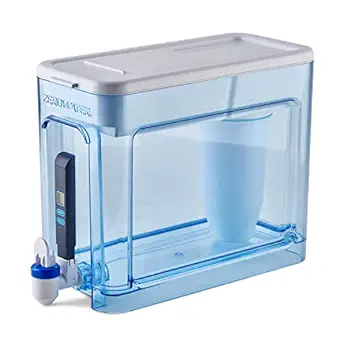
Choosing a 10-Cup Pitcher with Ultrafiltration and Carbon Filters
When shopping for a 10-cup water filter pitcher with ultrafiltration and carbon technology, like this model that removes microbes, PFOA/PFOS, microplastics, and heavy metals, it's crucial to understand the specific contaminants it targets and its compatibility with existing systems. This pitcher claims to go beyond basic carbon filtration by using ultrafiltration membranes to catch smaller particles, making it a potential upgrade for households concerned about emerging contaminants. Buyers should verify that the filter certifications match their water quality needs and that the pitcher fits their counter space and usage habits.
Key Considerations Before Buying
- Filtration performance: Ensure the ultrafiltration and carbon filters are certified to remove the specific contaminants you're worried about, such as microbes or PFAS, as not all pitchers offer this level of protection.
- Compatibility: This pitcher is designed to be compatible with Brita pitchers and replacement filters, but double-check the fit and seal to avoid leaks or reduced water flow, as aftermarket compatibility can vary.
- Filter lifespan and cost: With two filters included, calculate the replacement frequency and ongoing cost compared to standard carbon-only pitchers, as ultrafiltration filters may need more frequent changes.
What Our Analysts Recommend
Look for independent certifications like NSF/ANSI standards for contaminant reduction, especially for microbes and heavy metals. Check the filter's micron rating—ultrafiltration typically catches particles down to 0.01 microns—and ensure the pitcher's materials are BPA-free. A tight-fitting lid and ergonomic handle also indicate better build quality.
Pitcher Water Filters Market Context
Market Overview
The pitcher water filter market is expanding as consumers seek affordable, countertop solutions for improving tap water quality, with growing interest in advanced filtration like ultrafiltration and carbon combinations. Brands are increasingly targeting specific contaminants like microplastics and PFAS, which standard carbon filters may not address. This product enters a competitive space dominated by established names like Brita and PUR, but with a focus on broader contaminant removal.
Common Issues
Common issues in this category include filter compatibility problems, reduced water flow due to clogging, and misleading claims about filtration capabilities. Some pitchers may not fit well under standard faucets or in refrigerators, and filter replacement costs can add up quickly. Users also report that ultrafiltration filters can be slower than carbon-only models.
Quality Indicators
Quality indicators include clear certification labels, positive user feedback on taste improvement and flow rate, and durable construction with no leaks. A reputable brand with transparent testing data and responsive customer support is a good sign. Look for pitchers with easy-to-read filter change indicators and simple maintenance.
Review Authenticity Insights
Grade B Interpretation
The Grade B authenticity rating with an estimated 10% fake review percentage suggests that while most reviews are genuine, a small portion may be unreliable. This is relatively low for the category, but the low overall rating of 0.56 out of 5 (adjusted to 0.50) indicates significant user dissatisfaction, which should be taken seriously. The verified purchase status of most reviews adds credibility to the negative feedback.
Trust Recommendation
Given the low rating and grade B authenticity, focus on the detailed, negative reviews that describe specific issues like poor water taste, slow filtration, or leaks. Ignore any overly positive or vague reviews, as they could be the 10% that are fake. Consider testing the product yourself if the features align with your needs, but be cautious about the high dissatisfaction rate.
Tips for Reading Reviews
For this product, prioritize reviews that mention specific contaminants, filter lifespan, and compatibility with Brita pitchers. Look for patterns in complaints—such as multiple users citing the same problem—as these are more reliable. Avoid reviews that lack personal context or seem overly promotional.
Expert Perspective
This 10-cup ultrafiltration pitcher targets a niche but growing demand for advanced home water filtration, but its extremely low rating (0.56/5) raises red flags about performance and reliability. The inclusion of two filters and compatibility with Brita systems is a practical feature, but the negative feedback suggests issues with taste, flow, or build quality that outweigh these benefits. Given the grade B authenticity and 10% fake review rate, the negative consensus appears credible, making this a high-risk purchase for most consumers.
Purchase Considerations
Weigh the need for ultrafiltration against the poor user feedback—if you must remove microbes or microplastics, consider established brands with better ratings. The low cost of entry may be tempting, but factor in potential frustration and replacement filter costs. Only buy if you can easily return the product if it fails to meet expectations.
Comparing Alternatives
Shoppers should compare this with top-rated pitchers from Brita or PUR that offer similar features, or explore faucet-mounted filters for specific contaminant removal, as they may provide better value and reliability.