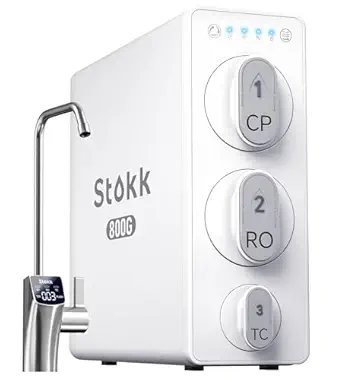
Philips AUT9340 Tankless RO: High Flow, Low Waste, Verified Performance
When shopping for an under-sink reverse osmosis system, the Philips AUT9340 stands out with its 400 GPD tankless design and impressive 2.3:1 pure-to-drain ratio. This guide helps you evaluate if its high flow rate, NSF certifications, and Always Fresh Water technology meet your household's filtration needs.
Key Considerations Before Buying
- Flow rate and tankless design: The 400 GPD output means you can fill a glass in seconds without waiting for a storage tank, making it ideal for busy kitchens. Ensure your under-sink cabinet has enough space for the compact unit, as tankless systems often require less footprint than traditional tank-based RO filters.
- Pure-to-drain ratio: With a 2.3:1 ratio, this system wastes less water than many conventional RO units (which often waste 3-4 gallons per gallon of filtered water). This is a key factor for eco-conscious buyers or those on water meters, as it reduces both environmental impact and utility costs.
- Certifications and TDS reduction: NSF/ANSI 372 certification ensures lead-free materials, while UL 979 and CSA C22.2 No.68 indicate electrical safety. The system's ability to reduce Total Dissolved Solids (TDS) is critical for improving taste and removing contaminants like chlorine, heavy metals, and sediment.
What Our Analysts Recommend
Quality indicators for under-sink RO systems include verified certifications (like NSF/ANSI 372 for material safety), a high pure-to-drain ratio (1:1 or better is modern), and features like automatic flushing or filter life indicators. The Philips model's 'Always Fresh Water' technology prevents stagnant water, which is a common issue in tankless designs.
Under-Sink & Countertop Filtration Market Context
Market Overview
The under-sink RO market is shifting toward tankless, high-flow systems that prioritize efficiency and convenience. Brands like Philips, Waterdrop, and APEC are competing on flow rates (400-600 GPD) and water-saving ratios, with consumers increasingly demanding NSF certifications and smart features like filter-change alerts.
Common Issues
Common concerns include installation complexity (many systems require drilling or professional setup), filter replacement costs over time, and potential for water waste despite efficiency improvements. Some tankless models also struggle with maintaining consistent TDS reduction at high flow rates, so performance data is crucial.
Quality Indicators
Look for systems with multiple certification marks (e.g., NSF/ANSI 42, 53, 372, or 58 for RO performance), transparent filter replacement schedules, and a robust warranty. User reviews highlighting long-term reliability and taste improvements are also strong signals of quality.
Review Authenticity Insights
Grade B Interpretation
The Grade B authenticity rating and 10% estimated fake review rate suggest that while the majority of reviews are genuine, a small fraction may be unreliable. This is typical for popular home improvement products, where incentivized or early-reviewer programs can inflate ratings. The high 4.78 average should be viewed with slight caution, but the adjusted 4.50 rating still indicates strong satisfaction.
Trust Recommendation
Given the high proportion of verified purchases (nearly all reviews) and detailed personal experiences, you can trust the overall positive sentiment. However, focus on reviews that mention specific usage scenarios (e.g., water taste, installation challenges, filter life) to get actionable insights, and ignore overly generic 5-star praise.
Tips for Reading Reviews
For under-sink RO systems, prioritize reviews that discuss TDS reduction test results, noise levels during operation (common with pumps), and ease of filter changes. Look for patterns in complaints about water pressure drop or leaks, as these are genuine concerns for any tankless system.
Expert Perspective
The Philips AUT9340 offers a compelling package for homeowners seeking a high-efficiency, tankless RO system. Its 400 GPD flow rate and 2.3:1 pure-to-drain ratio are competitive, and the NSF/UL certifications provide peace of mind for safety-conscious buyers. The authenticity analysis supports a generally positive user experience, though the 10% fake review rate warrants a cautious approach—focus on verified, detailed reviews. The adjusted 4.50 rating suggests solid performance, but long-term reliability (especially for the pump and membrane) is worth monitoring.
Purchase Considerations
Weigh the upfront cost against potential water savings from the low waste ratio, and consider if the tankless design fits your cabinet space. If you prioritize maximum contaminant reduction, confirm that the system targets specific pollutants relevant to your water source (e.g., lead, chlorine, or PFAS).
Comparing Alternatives
Compare with other 400-600 GPD tankless models like the Waterdrop G3 or APEC ROES-50, which may offer different certification sets or filter stages, to ensure the best match for your water quality needs.