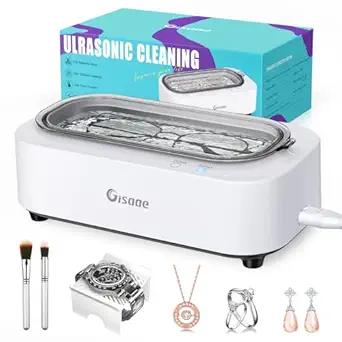
Choosing a 50Khz Ultrasonic Cleaner: Tank Material, Frequency, and Timer Features
This specific 24oz ultrasonic cleaner with 304 stainless steel tank and 50Khz frequency represents a mid-range home and light commercial option. Buyers should understand that 50Khz provides a balance between aggressive cleaning for jewelry and gentle enough action for delicate items like eyeglasses, making this unit versatile for the advertised uses.
Key Considerations Before Buying
- The 304 stainless steel tank is a premium feature that resists corrosion from cleaning solutions far better than plastic or lower-grade steel, directly impacting longevity.
- A 50Khz ultrasonic frequency is optimal for general-purpose cleaning; lower frequencies (like 40Khz) are more aggressive for heavy grime, while higher frequencies (like 80Khz) are gentler for micro-precision parts.
- The digital timer and 5 pre-set modes add convenience, but their real value depends on whether the timing intervals (e.g., 180, 480, 600 seconds) match your typical cleaning cycles for items like dentures or watch straps.
What Our Analysts Recommend
For this category, prioritize a sealed, submersible transducer (the component that creates ultrasonic waves) mounted beneath the stainless tank, not a separate detachable plate. Check that the unit's power rating (in watts) is appropriate for the 24oz tank volume—typically 30-50W is sufficient—to ensure effective cavitation without being underpowered.
Ultrasonic Cleaners Market Context
Market Overview
The consumer ultrasonic cleaner market is flooded with similar-looking white plastic units, making this 304 stainless steel model stand out for durability. Most home units cluster around 40-50Khz, positioning this 50Khz model in the mainstream for jewelry and personal item cleaning.
Common Issues
Common failures include transducer burnout from continuous use beyond short cycles, leaking tanks from poor welding on stainless steel models, and timers that don't accurately control the ultrasonic burst cycles. Underpowered units fail to create consistent cavitation bubbles throughout a 24oz tank.
Quality Indicators
Look for specifications about the transducer count and placement (bottom-mounted is best), the gauge/thickness of the 304 stainless steel, and whether the digital controls offer actual cycle control or are just simple timers. A well-built lid is also a subtle indicator of overall build quality.
Review Authenticity Insights
Grade B Interpretation
A 'B' grade with an estimated 15% fake review rate suggests the majority of feedback is reliable, but a notable portion requires scrutiny. The adjusted rating of 4.10/5 (down from 4.44) is a more accurate reflection of genuine user experience.
Trust Recommendation
Focus on verified purchase reviews that mention long-term use (3+ months) and specific cleaning results for items like tarnished silver rings or cloudy eyeglasses. Be skeptical of reviews that only praise packaging or generic 'great product' statements without detailing performance.
Tips for Reading Reviews
For this technical product, prioritize reviews that discuss the effectiveness of different timer modes, the durability of the stainless tank after repeated use with jewelry cleaning solutions, and any mentions of customer service regarding transducer issues.
Expert Perspective
This cleaner's specifications—50Khz frequency, 304 stainless tank, digital timer—align well with a reliable home-use appliance. The adjusted 4.10 rating from authentic reviews indicates consistent satisfaction among real users, particularly for its intended multi-purpose role. The stainless steel construction is a significant differentiator that justifies a price premium over plastic-tank competitors, assuming build quality is solid.
Purchase Considerations
Weigh the 24oz capacity against your typical load volume; it's suitable for several pieces of jewelry or a pair of eyeglasses but may be small for large items. Consider if you need the 5 preset modes or if a simple manual timer would suffice, as complexity can sometimes reduce reliability.
Comparing Alternatives
Shoppers should compare transducer warranties, tank dimensions (for oddly shaped items), and the decibel level during operation, as some ultrasonic cleaners are noticeably louder.