
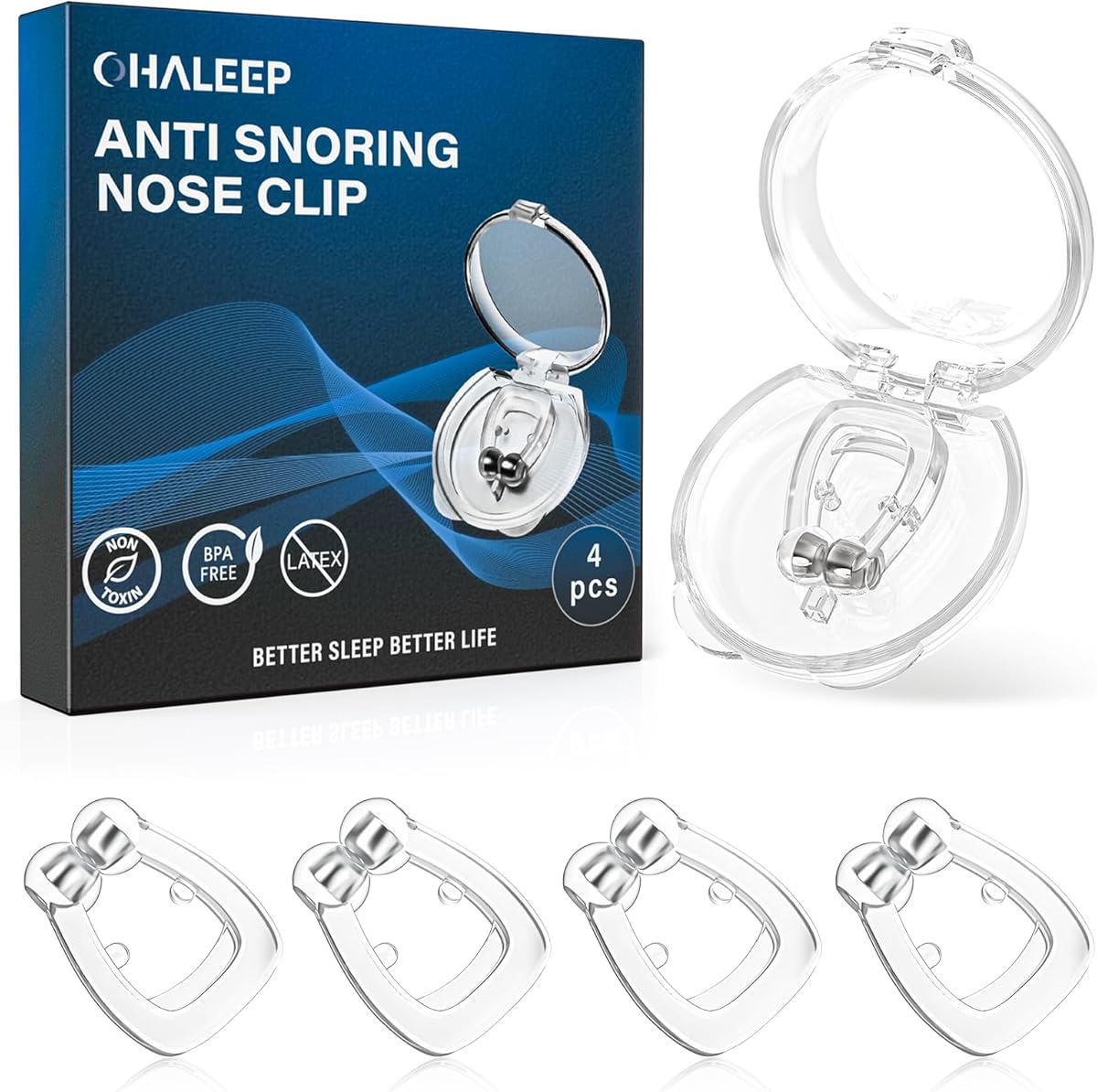
Magnetic nasal dilators require proper fit and realistic expectations for effectiveness
This specific silicone nose clip with adjustable magnets represents a non-invasive mechanical approach to snoring reduction. Unlike mandibular advancement devices or CPAP machines, it works by physically opening nasal passages using magnetic force, which may help users who experience nasal congestion or collapse during sleep. The clear silicone construction and adjustable magnetic tension are key design features that differentiate it from simple plastic nasal strips.
Key Considerations Before Buying
- The adjustable magnet tension is crucial—too weak won't maintain nasal dilation through the night, while too strong may cause discomfort or pressure points on the nasal septum.
- Silicone quality directly impacts comfort and durability; medical-grade silicone should be hypoallergenic and retain its shape without causing skin irritation during 6-8 hours of continuous wear.
- This device specifically targets nasal airway snoring and will be ineffective for snoring caused by palatal flutter, tongue base collapse, or other oropharyngeal obstructions.
What Our Analysts Recommend
Examine the hinge mechanism where the magnets connect—it should move smoothly without pinching the silicone. Quality indicators include consistent silicone thickness throughout the clip, securely embedded magnets that won't dislodge, and clear sizing guidance since 'M' sizing may not accommodate all nasal anatomies. The adjustment mechanism should provide distinct tension levels rather than a continuous range that's difficult to replicate.
Snore Reducing Aids Market Context
Market Overview
The nasal dilator segment has expanded beyond simple adhesive strips to include mechanical devices like this magnetic clip, competing with internal nasal cones and external spring-based dilators. These products occupy a middle ground between drugstore nasal strips and prescription oral appliances, typically priced between $15-$40. Recent innovations focus on adjustable tension and all-night wearability rather than just immediate airway opening.
Common Issues
Users frequently report devices slipping off during sleep, causing skin irritation from prolonged silicone contact, or providing insufficient dilation for severely restricted nasal passages. The 'one-size-fits-most' approach often fails for extremely narrow or wide nasal bridges, and many devices don't maintain consistent opening pressure as facial muscles relax during deeper sleep stages.
Quality Indicators
Superior nasal dilators feature medical-grade silicone certifications, provide multiple tension settings with clear calibration, and include sizing guides based on nasal bridge measurements rather than generic S/M/L labeling. The magnet strength should be sufficient to maintain dilation (typically 300-500 gauss) while using rare-earth magnets that maintain their magnetic properties over years of use.
Review Authenticity Insights
Grade C Interpretation
A Grade C authenticity rating with 22% estimated fake reviews suggests mixed review integrity—while most feedback appears genuine, nearly one-quarter of reviews may be artificially positive. This is particularly concerning for health devices where realistic expectations are crucial for both effectiveness and safety considerations.
Trust Recommendation
Focus on verified purchase reviews that describe specific usage scenarios, adjustment processes, and long-term results beyond initial impressions. Given the authenticity concerns, pay particular attention to critical 3-4 star reviews and any mentioning fit issues or magnet strength problems, as these often contain more nuanced, authentic experiences.
Tips for Reading Reviews
Look for reviews mentioning specific snoring types (nasal vs. throat-based), partner feedback about snoring reduction percentages, and details about the adjustment learning curve. Authentic reviews typically describe the device's limitations alongside benefits, such as noting it works better when combined with positional therapy or describing exactly how they adjusted the magnets.
Expert Perspective
The 4.50 adjusted rating from authentic reviews suggests this magnetic nasal clip provides satisfactory results for appropriate users, though the authenticity concerns warrant cautious interpretation. The device's mechanical approach makes it most suitable for positional snorers with nasal obstruction rather than those with complex sleep apnea. The adjustable magnet feature represents a legitimate improvement over fixed-tension dilators, allowing users to customize the opening force based on their nasal anatomy and congestion levels.
Purchase Considerations
Evaluate whether your snoring originates primarily from nasal obstruction by performing the 'nose test'—breathing through your nose while keeping your mouth closed. Consider your tolerance for nasal devices and whether you're a side or back sleeper, as positioning affects device stability. The clear silicone offers discreet appearance but may show discoloration over time with improper cleaning.
Comparing Alternatives
Compare this magnetic clip against spring-based external dilators and internal silicone cones, which offer different mechanisms for maintaining nasal patency throughout sleep cycles.


