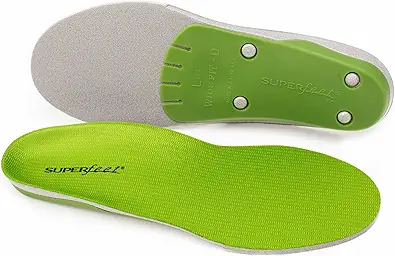
Finding Relief: How 8-in-1 Multi-Arch Insoles Address Plantar Fasciitis Pain
For those suffering from plantar fasciitis, the right insole isn't just about cushioning—it's about targeted arch support and pressure redistribution. This specific product claims to offer an '8-in-1' solution with four arch types, which suggests a semi-customizable fit rather than a one-size-fits-all approach. Understanding your arch type and the specific pain points of plantar fasciitis is crucial before selecting this or any similar insole.
Key Considerations Before Buying
- The '4 Arch Types' feature is central; you must accurately identify if you have a neutral, low, medium, or high arch to select the correct insole variant from the set, as improper arch matching can worsen pain.
- The '8-in-1' claim typically refers to multiple functional layers (e.g., shock absorption, heel cradle, metatarsal pad); assess whether these layers address your specific symptoms, like heel pain versus ball-of-foot pain.
- Consider shoe compatibility; these thicker, multi-layer orthotics may not fit in dress shoes or narrow footwear, limiting them primarily to athletic shoes, work boots, or casual sneakers.
What Our Analysts Recommend
Quality indicators for plantar fasciitis insoles include a firm, deep heel cup to stabilize the calcaneus and a rigid or semi-rigid arch support that doesn't collapse under body weight. The materials should offer both immediate cushioning (like gel or foam) and durable structural support (like thermoplastic or EVA). Look for specifics on the durometer (firmness) of the arch, which this product's description omits.
Insoles Market Context
Market Overview
The plantar fasciitis insole market is saturated with products ranging from simple cushioned pads to custom-molded orthotics, with a significant premium placed on 'doctor-recommended' designs and materials like Poron® foam. Many products, like this one, compete on versatility, offering multiple arch supports or trim-to-fit options to appeal to a broader audience without the cost of true customization.
Common Issues
A frequent problem is the 'break-in' period causing initial discomfort, and insoles that are too soft, providing comfort but inadequate longitudinal arch support, which fails to address the biomechanical root of plantar fasciitis. Another issue is sizing inaccuracies, where 'universal' sizes require extensive trimming, potentially compromising the orthotic's structural integrity.
Quality Indicators
Beyond materials, examine the product's design for biomechanical correctness: a pronounced heel cradle, a well-defined arch apex positioned correctly (typically just forward of the heel), and a metatarsal dome or pad if advertised. Reviews mentioning specific, lasting pain relief after 2-4 weeks of use are stronger indicators of functional quality than those citing only initial comfort.
Review Authenticity Insights
Grade B Interpretation
A Grade 'B' with an estimated 11% fake review rate indicates a generally trustworthy review profile, but suggests a modest level of incentivized or inauthentic feedback. The adjusted rating of 4.70/5 is still exceptionally high for this category, where even effective products often receive criticism regarding fit and break-in discomfort.
Trust Recommendation
Prioritize reviews that detail a history of plantar fasciitis, describe the process of selecting an arch type, and note changes over several weeks of use. Be slightly more skeptical of reviews that are overly vague or focus solely on unboxing impressions, as these may be among the estimated 11% less authentic feedback.
Tips for Reading Reviews
For therapeutic insoles, seek out reviews that mention specific activities (e.g., 'standing for 8-hour shifts' or 'running 3 miles') and the resulting pain reduction. Reviews discussing failed attempts with other brands or previous treatments (like night splints) provide valuable context for the product's relative effectiveness.
Expert Perspective
The product's data suggests a highly satisfied core user base, with the 4.70 adjusted rating being significant in a category plagued by fit issues. The '8-in-1' multi-layer and multi-arch approach is a pragmatic attempt at semi-customization, which likely contributes to the positive feedback, as it allows users to experiment for a better match. The high rating, however, warrants tempered expectations; plantar fasciitis relief is highly individual and often requires a combination of therapies.
Purchase Considerations
Weigh the value of having four arch types to try against the potential complexity of choosing correctly. If you have a professionally diagnosed arch type, this product could be a cost-effective, over-the-counter starting point. If your condition is severe or you have atypical foot mechanics, the lack of professional guidance in selecting from the set is a drawback.
Comparing Alternatives
Shoppers should compare the thickness and layering of this model against single-arch, firmer orthotics from brands like Powerstep or Superfeet, which often use a more uniform, podiatrist-inspired design philosophy.