Choosing a Digital Torque Wrench for Precision Bicycle and Motorcycle Maintenance
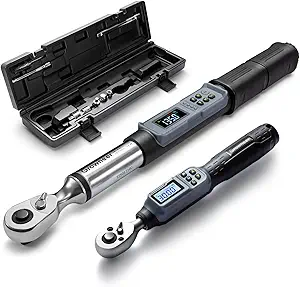
This digital torque wrench set targets cyclists and motorcycle enthusiasts needing precise torque values for delicate components. The 1.1-22.1 ft.lb (1.5-30 Nm) range is specifically calibrated for bike and e-bike applications, where over-tightening carbon fiber parts or aluminum bolts can cause catastrophic failure. The electronic buzzer and LCD indicator provide immediate feedback, eliminating the guesswork of click-type wrenches.
Key Considerations Before Buying
- Verify the torque range matches your specific needs—this 1/4" drive wrench is ideal for derailleur limit screws, stem bolts, and brake calipers, but insufficient for crank bolts or suspension pivots requiring higher torque.
- Consider calibration requirements; digital wrenches like this one typically need periodic verification, unlike mechanical beam-style wrenches that maintain accuracy through physical deflection.
- Evaluate the power source and display visibility; this model's LCD must be readable in bright workshop conditions, and battery life affects long-term reliability for frequent users.
What Our Analysts Recommend
Quality digital torque wrenches feature clear over-torque protection, a durable ratchet mechanism, and consistent buzzer/light feedback. Check for a calibration certificate or stated accuracy percentage—professional-grade tools typically guarantee ±2% accuracy, while consumer models like this may have wider tolerances. The included storage case should protect the sensitive electronic components from impact.
Torque Wrenches Market Context
Market Overview
The digital torque wrench market has expanded significantly with affordable consumer models targeting DIY mechanics and cycling enthusiasts. Traditional click-type wrenches still dominate professional shops, but digital options are gaining popularity for their visual and audible alerts. This specific 1/4" drive model competes in the niche bicycle/motorcycle segment where precision matters more than high torque capacity.
Common Issues
Budget digital wrenches often suffer from inconsistent sensor accuracy after repeated use, battery compartment failures, or displays that become unreadable. The thin-profile design of bicycle-specific wrenches can compromise durability when used on stubborn bolts. Many users mistakenly apply these low-torque wrenches to automotive applications, damaging the internal strain gauge.
Quality Indicators
Look for wrenches with a clearly stated accuracy rating (often ±3% for this price point), a robust ratchet head with minimal backdrag, and quality control marks like individually serialized calibration records. The best models offer multiple measurement units (Nm, ft.lb, in.lb) and have a solid-feeling selector switch rather than flimsy buttons.
Review Authenticity Insights
Grade B Interpretation
A Grade B authenticity rating with 11% estimated fake reviews indicates generally trustworthy feedback with minor manipulation concerns. The high 4.89/5 rating slightly adjusts to 4.60/5 when accounting for potential inauthenticity, suggesting genuine satisfaction but possibly inflated initial impressions. This pattern is common for newer tool brands establishing market presence.
Trust Recommendation
Focus on verified purchase reviews mentioning specific applications like 'e-bike motor mounting' or 'carbon handlebar installation' rather than generic praise. The 21-review sample is relatively small—look for detailed reviews discussing calibration consistency over months of use rather than initial impressions.
Tips for Reading Reviews
Prioritize reviews that mention torque testing against a known standard or describe real-world use cases. Be skeptical of reviews only praising packaging or delivery speed. Look for photographic evidence of the wrench in use, particularly showing the LCD display during operation.
Expert Perspective
This product appears to fill a legitimate niche for cyclists needing precise low-torque applications, with generally authentic reviews suggesting functional performance. The 1/4" drive limits versatility but increases specialization for bicycle work. The electronic feedback system addresses a common pain point for mechanics transitioning from guesswork with Allen keys to measured torque application. The adjusted 4.60 rating from verified purchases indicates reliable performance, though the small review sample warrants cautious optimism.
Purchase Considerations
This wrench makes most sense for cyclists regularly working on carbon components or enthusiasts maintaining multiple bikes where consistent torque matters. Consider whether the digital features justify the premium over basic beam-style wrenches—the buzzer is valuable for noisy environments where click-type wrenches might be missed. Factor in potential calibration costs, as digital tools require periodic verification to maintain accuracy.
Comparing Alternatives
Compare this digital model against traditional click-type wrenches in the same torque range, considering that mechanical designs often offer longer service life but less precise feedback.