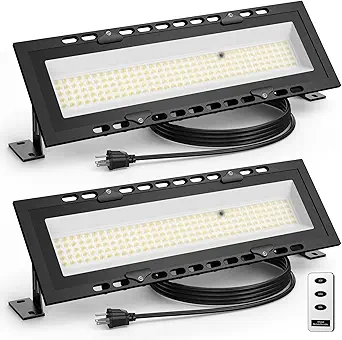
Choosing a Rechargeable Work Light: Dual Beam, Magnets, and Runtime Matter Most
When selecting a rechargeable LED work light like this dual-beam model with magnetic mounting, focus on three critical aspects: beam versatility for different tasks, secure mounting options for hands-free operation, and realistic runtime expectations. This specific product's 8 lighting modes and IP65 rating suggest it's designed for varied environments from garages to campsites.
Key Considerations Before Buying
- Dual beam functionality should provide both focused spot lighting for precision tasks like car repairs and wide flood lighting for illuminating larger garage areas.
- Magnetic strength and hook design determine practical usability—strong magnets must hold securely to vertical metal surfaces during vibration or movement.
- Runtime claims like '8-180 hours' require scrutiny: understand that maximum runtime typically uses the lowest lumen setting, while high-intensity beams drain batteries faster.
What Our Analysts Recommend
Quality indicators include IP65 waterproof/dustproof certification for job site durability, heat dissipation design in the housing to prevent LED degradation, and USB-C charging for modern convenience. Check for balanced weight distribution—lights that are front-heavy can detach from magnetic mounts during use.
Job Site Lighting Market Context
Market Overview
The rechargeable work light market has shifted from basic utility to multi-feature designs, with magnetic mounting becoming standard for mechanics and DIYers. Current offerings compete on lumen output, mounting versatility, and specialized beam patterns rather than just brightness.
Common Issues
Users frequently report exaggerated runtime claims, weak magnets that fail on textured surfaces, and confusing mode cycles that require excessive button presses. Thermal management problems can cause premature LED dimming or battery degradation in enclosed spaces.
Quality Indicators
Superior products feature regulated output that maintains consistent brightness as batteries drain, rather than gradual dimming. Look for lights with separate mode groups for work lighting versus emergency signaling, and physical locking mechanisms that prevent accidental activation in toolboxes.
Review Authenticity Insights
Grade B Interpretation
A Grade B authenticity rating with 15% estimated fake reviews indicates generally reliable feedback, though some manipulation may exist around specific features. The adjusted 4.50/5 rating from verified purchases suggests genuine satisfaction slightly below the surface-level 4.89/5 average.
Trust Recommendation
Prioritize reviews discussing specific use cases like automotive undercarriage work or camping setup, as these demonstrate actual product testing. Be skeptical of reviews focusing excessively on packaging or delivery speed rather than magnetic performance or beam quality.
Tips for Reading Reviews
Look for mentions of the dual beam's practical application—how the spot mode helps with electrical work versus flood mode for engine bays. Authentic reviews often note runtime discrepancies between advertised and actual use, especially at higher brightness settings.
Expert Perspective
This work light's combination of dual-beam flexibility, magnetic mounting, and extended runtime positions it well for hybrid workshop/outdoor use. The high adjusted rating from verified purchasers (4.50/5) suggests it delivers on core promises, though the authenticity analysis indicates some review inflation around the edges. The IP65 rating provides legitimate weather resistance for outdoor applications beyond typical garage use.
Purchase Considerations
Evaluate whether you need all 8 lighting modes—some users find excessive modes cumbersome for work applications. Consider magnetic strength requirements: if working on heavily painted or irregular surfaces, test the magnets' holding power. The wide runtime range indicates variable utility—assess whether your typical tasks require brief high-intensity use or extended low-light operation.
Comparing Alternatives
Compare this model's magnet placement and hook design against competitors—some position magnets more centrally for better balance when hanging from hoods or fenders.