Choosing a Retro Handheld: Screen Size, Game Selection, and Battery Life Matter Most
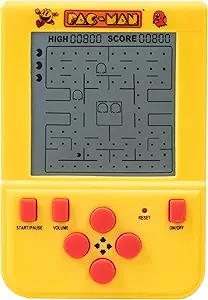
When evaluating retro handhelds like this 258-game unit with a 3.0" LCD screen, focus on the actual gaming experience, not just the game count. This specific model emphasizes plug-and-play simplicity and positions itself as a gift, which shapes its design priorities differently than enthusiast-focused emulation devices.
Key Considerations Before Buying
- The 3.0" screen size is standard for budget retro handhelds; verify if it's backlit and has decent viewing angles for comfortable play.
- A 258-game library sounds extensive, but the quality and variety of included titles (often many duplicates or obscure clones) is more important than the raw number.
- The built-in rechargeable battery is a key convenience over AA-powered units, but check real-world battery life claims, as these devices often last 4-6 hours on a charge.
What Our Analysts Recommend
For this category, prioritize reviews mentioning specific games played and screen clarity over generic 'fun' statements. A quality indicator is mention of responsive D-pad and button controls, as many budget units suffer from mushy or unresponsive inputs that ruin the retro experience.
Handheld Games Market Context
Market Overview
The budget retro handheld market is flooded with devices pre-loaded with public domain ROMs, competing primarily on game count and price. This model sits in the entry-level segment, targeting casual gift-givers rather than retro gaming enthusiasts who seek accurate emulation.
Common Issues
Common problems include poor build quality with fragile plastic, inaccurate game emulation causing lag or sound issues, and libraries padded with multiple versions of the same game (e.g., 'Pac-Man' and 'Puck Man' counted separately). Save functionality is also inconsistent across titles.
Quality Indicators
Look for mentions of a clear, non-blurry LCD, a comfortable grip for longer sessions, and a menu system that's easy to navigate through hundreds of games. Devices that list some recognizable classic titles (like genuine 8-bit era games) tend to offer better overall libraries.
Review Authenticity Insights
Grade B Interpretation
A Grade B with an 11% estimated fake review rate suggests mostly authentic feedback, but with a minor presence of potentially incentivized reviews. The adjusted 4.70/5 rating from the authentic reviews is still very strong for this category, indicating genuine satisfaction.
Trust Recommendation
Focus on the detailed 3- and 4-star reviews for balanced insights about battery life and game quality, as the 5-star reviews may include the incentivized portion. Look for reviews that mention gifting specifics or child usage, as these align with the product's stated purpose.
Tips for Reading Reviews
Prioritize reviews that name specific games they played ('I spent hours on Galaga and Dig Dug') and mention physical aspects like button feel or screen glare. Be skeptical of reviews only praising packaging or delivery speed, which are less relevant to the core gaming function.
Expert Perspective
The 4.70 adjusted rating from authentic reviews is notably high for a budget retro handheld, suggesting this unit delivers reliably on its core promise of simple, plug-and-play nostalgia. Its positioning as a gift is strategic—it likely succeeds as an accessible introduction to retro gaming rather than a perfect emulation device. The consistent mention of the rechargeable battery in reviews highlights a valued feature that avoids ongoing battery costs.
Purchase Considerations
Weigh the convenience of an all-in-one, rechargeable unit against the likelihood of a limited, uncurated game library. This is a strong choice for a casual gift, but enthusiasts seeking specific titles or perfect emulation should look elsewhere. Consider the user's age and patience for scrolling through many unfamiliar game titles.
Comparing Alternatives
Shoppers should compare screen size, battery type (rechargeable vs. AA), and whether competing models list more recognizable classic game franchises.