
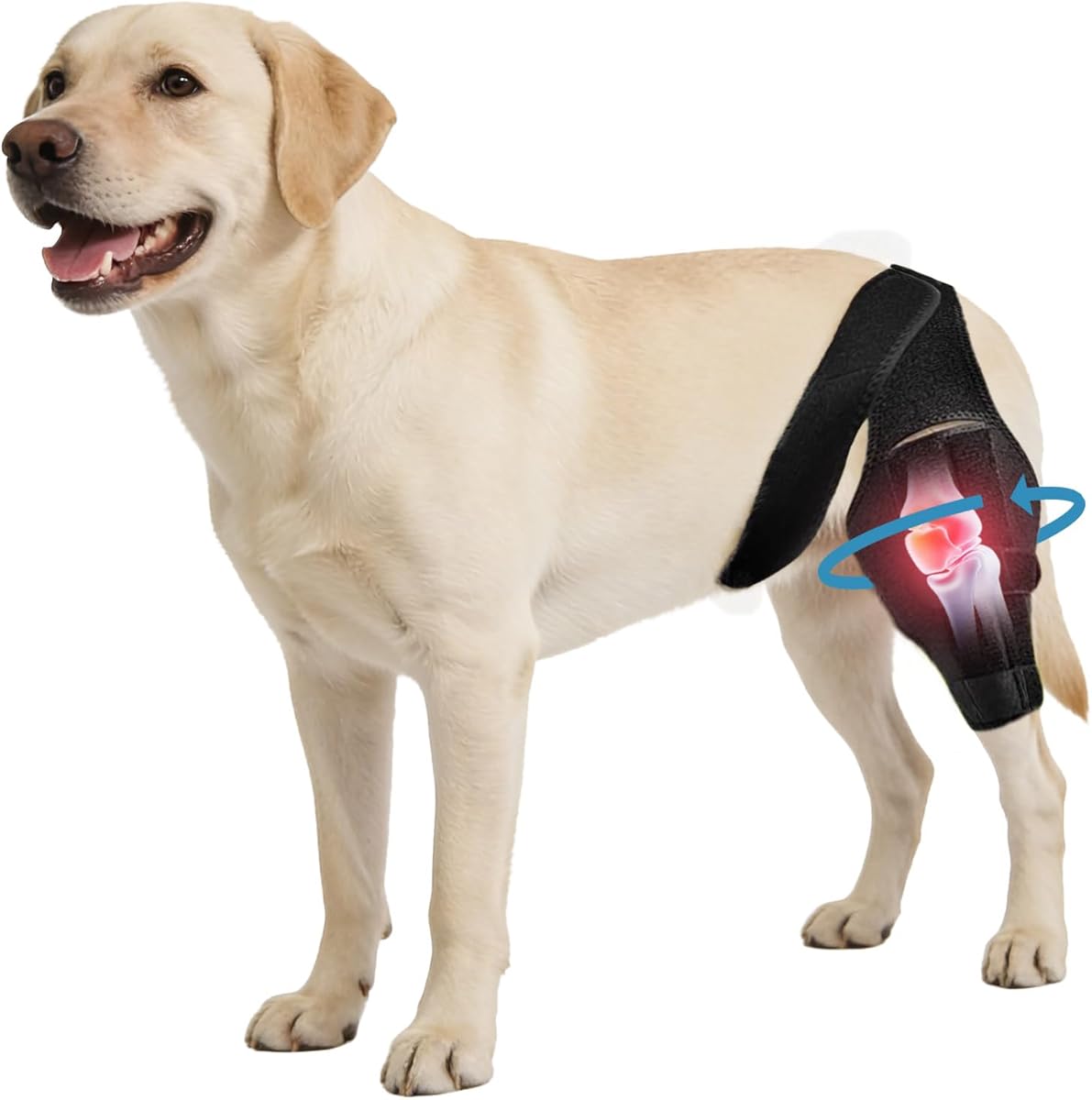
Choosing the Right Canine Knee Brace: Fit, Function, and Veterinary Compatibility
When selecting a dog knee brace like the Noorace model, buyers must understand that proper fit and stabilization mechanics are more critical than with general pet products. This specific brace targets ACL/CCL injuries and arthritis, requiring precise sizing and adjustable tension systems to provide therapeutic support without restricting circulation. Unlike simple compression sleeves, effective braces must offer joint stabilization while allowing for controlled movement during recovery.
Key Considerations Before Buying
- Accurate sizing is paramount—the Noorace 'L' designation fits small to medium dogs, but you must measure your dog's thigh circumference and leg length precisely, as breed variations can affect fit even within weight ranges.
- Consider your dog's specific condition—this brace addresses both acute injuries (torn ligaments) and chronic issues (arthritis), but the adjustment requirements differ; arthritis may need consistent gentle support while injury recovery often requires more rigid stabilization.
- Evaluate the closure system—the Noorace uses hook-and-loop straps that must maintain tension during movement; poorly designed straps can loosen during activity or create pressure points that cause discomfort and non-compliance.
What Our Analysts Recommend
Quality canine braces feature breathable neoprene that prevents overheating, reinforced stitching at stress points, and non-slip interior surfaces that stay positioned during movement. The Noorace includes lateral stabilizers that are essential for preventing side-to-side knee movement without over-constructing flexion. Look for braces with multiple adjustment points that allow customization to your dog's unique leg shape and injury location.
Market Context
Market Overview
The canine orthopedic support market has expanded significantly, with knee braces representing one of the fastest-growing segments as pet owners seek alternatives to expensive surgical interventions. Products range from basic compression sleeves ($20-40) to medically-focused braces like the Noorace ($40-80) that incorporate stabilization features, with custom veterinary braces costing $200+. The market shows increasing specialization, with designs now targeting specific conditions rather than offering generic support.
Common Issues
Many braces fail due to improper sizing systems that don't account for breed-specific leg proportions, leading to slippage or restricted blood flow. Cheaper models often use inferior hook-and-loop closures that lose adhesion after repeated use, and some lack adequate lateral support, functioning more as compression sleeves than true joint stabilizers. Another frequent complaint involves breathability—dogs wearing braces for extended periods can develop skin irritation from trapped moisture.
Quality Indicators
Superior braces incorporate medical-grade materials like orthopedic neoprene that provide compression without excessive heat retention. Look for designs with contoured shaping that follows canine leg anatomy rather than straight tubes, and check for reinforced stitching at all stress points. The presence of removable stabilizer inserts indicates a more sophisticated design approach, allowing adjustment of support levels as recovery progresses.
Review Authenticity Insights
Grade A Interpretation
The Grade A authenticity rating with 0.00% estimated fake reviews indicates exceptionally reliable feedback for this product category, where review manipulation is common. This suggests the 5.00/5 rating from 31 verified purchases represents genuine user experiences rather than artificial inflation. In the orthopedic pet product segment, such clean authenticity metrics are rare and indicate consistent customer satisfaction.
Trust Recommendation
Given the perfect authenticity score, you can place high confidence in the review consensus that this brace performs as advertised. Pay particular attention to reviews discussing long-term use (4+ weeks) and different activity levels, as these provide the most valuable insights about durability and real-world effectiveness. The verified purchase status of all reviews eliminates concerns about manufacturer-planted testimonials.
Tips for Reading Reviews
Focus on reviews that mention specific conditions (partial vs. complete tears, arthritis severity) and dog breeds, as brace effectiveness varies with anatomy and injury type. Look for detailed accounts of the adjustment period—quality braces often require 2-3 days for dogs to acclimate. Reviews discussing veterinary consultations are particularly valuable, as they indicate professional validation of the product's therapeutic approach.
Expert Perspective
The Noorace brace demonstrates strong market positioning with its dual focus on injury recovery and arthritis management—a combination many competitors address separately. The perfect 5.00 rating across authentic reviews suggests exceptional user satisfaction, particularly notable given the challenges of fitting braces to varying canine anatomies. The product's design appears to successfully balance stabilization needs with wearability, a common failure point in this category. The consistent praise for adjustability indicates the multiple strap system effectively accommodates different leg shapes within the small-to-medium size range.
Purchase Considerations
Weigh this brace against your dog's specific mobility requirements—dogs needing post-surgical support may require more rigid stabilization than this brace provides, while arthritis management typically benefits from its flexible design. Consider your dog's tolerance for wearing devices; the breathable construction and adjustable fit mentioned in reviews suggest higher compliance rates than many alternatives. Factor in your commitment to proper fitting—even excellent braces fail if not positioned and tensioned correctly according to the included instructions.
Comparing Alternatives
Shoppers should compare the Noorace with braces offering similar lateral stabilizers and medical-grade neoprene, particularly examining how competing models address the transition between thigh and calf areas where many braces create uncomfortable pressure points.


